

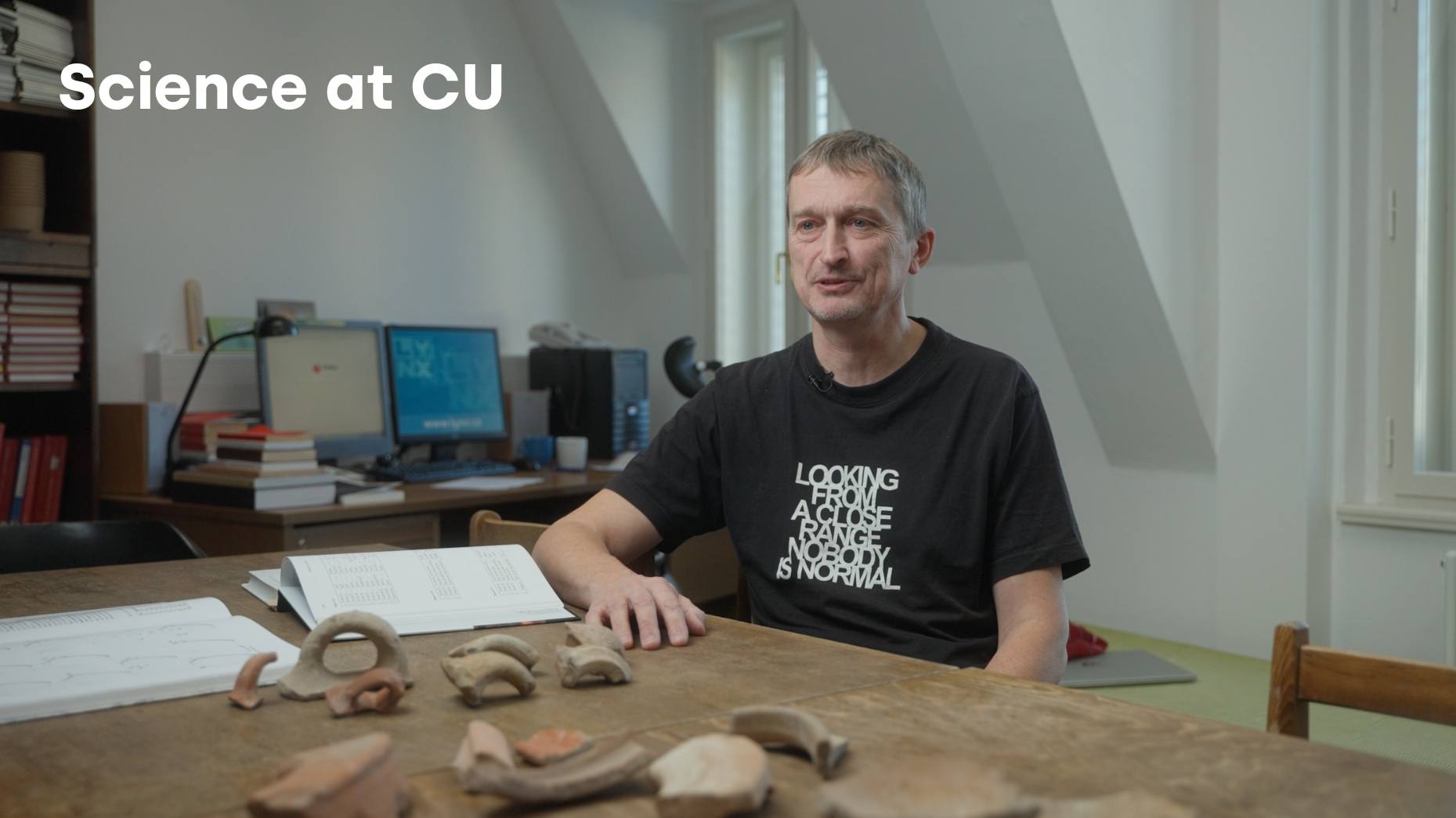
"I think archaeology is an integral part of working with ancient texts," says Filip Čapek of the Protestant Theological Faculty. In our one-minute video, he reveals what the discovery of the temple at Tel Moca means.
Articles by Pavla Hubálková

Pavla Hubálková
Articles by Pavla Hubálková
23 January 2025
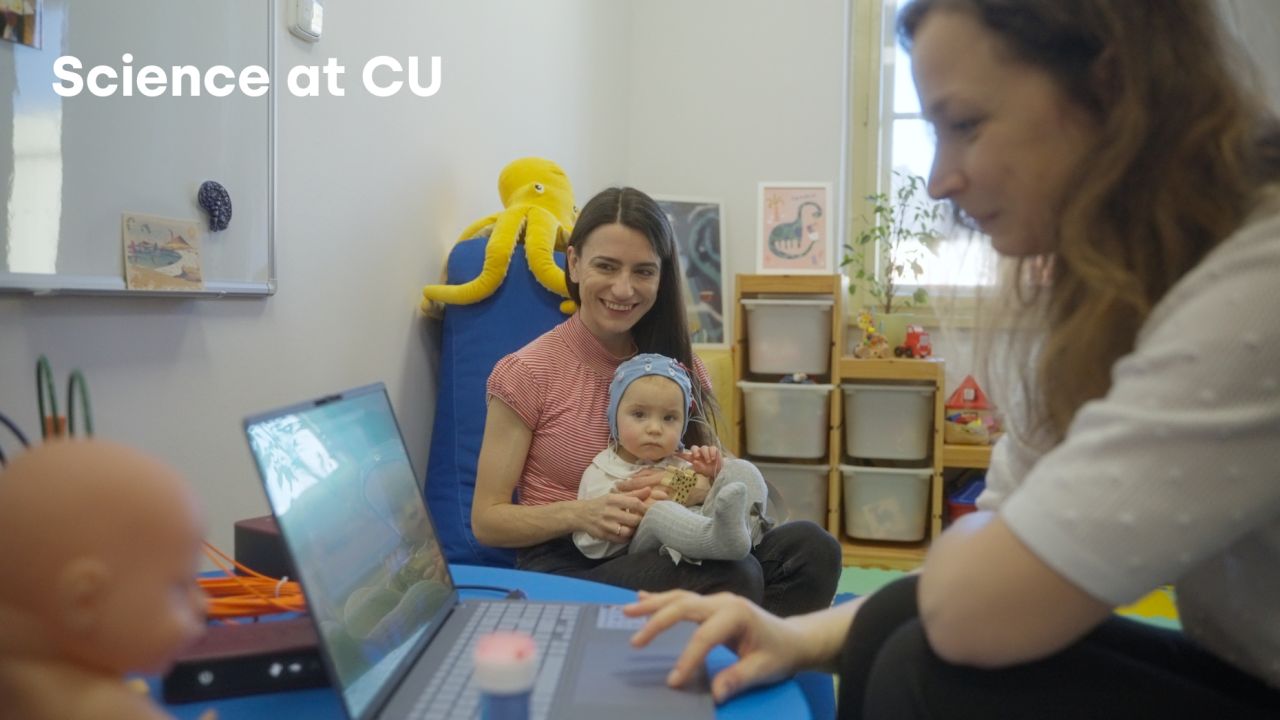
"We study how the smallest babies, who don't speak at all, learn language, what they understand and what they know about their language," says Kateřina Chládková from the Faculty of Arts in our video series. The findings are then used, for example, to help adults learn foreign languages better.
18 August 2024
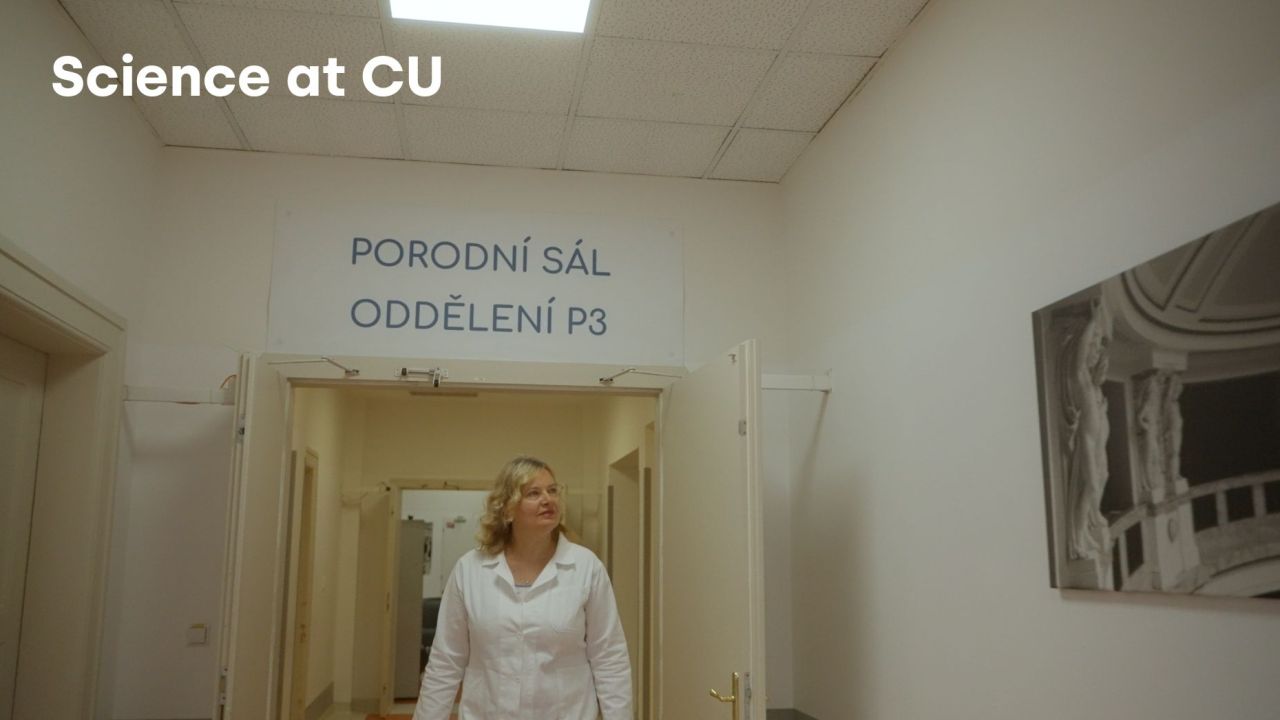
"Our long-term research is devoted to the development of new technologies for the screening of pregnancy complications during the first trimester," says Ilona Hromadníková, a physician/scientist from the Third Faculty of Medicine.
18 August 2024
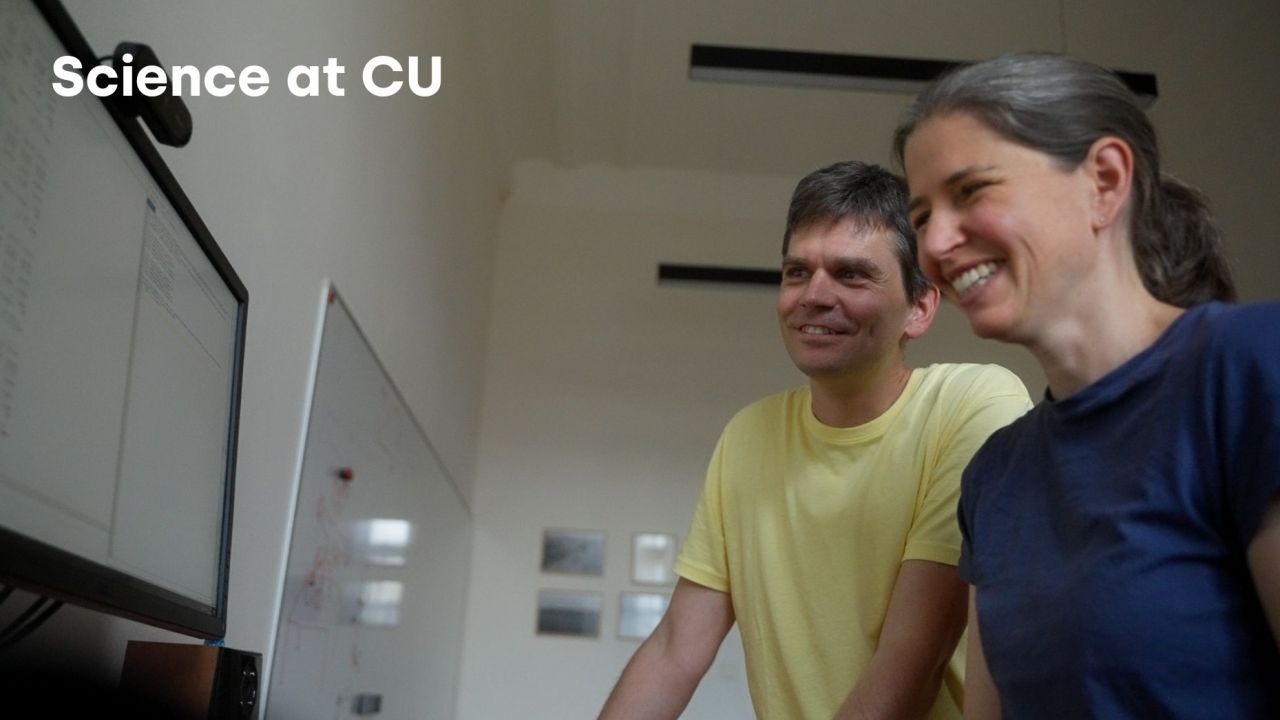
"The psychology of poverty is still a relatively new research direction at the interface of economics and psychology," explains the scientific and partnership couple Julie Chytilová and Michal Bauer from Charles University.They present more in one minute.
06 August 2024
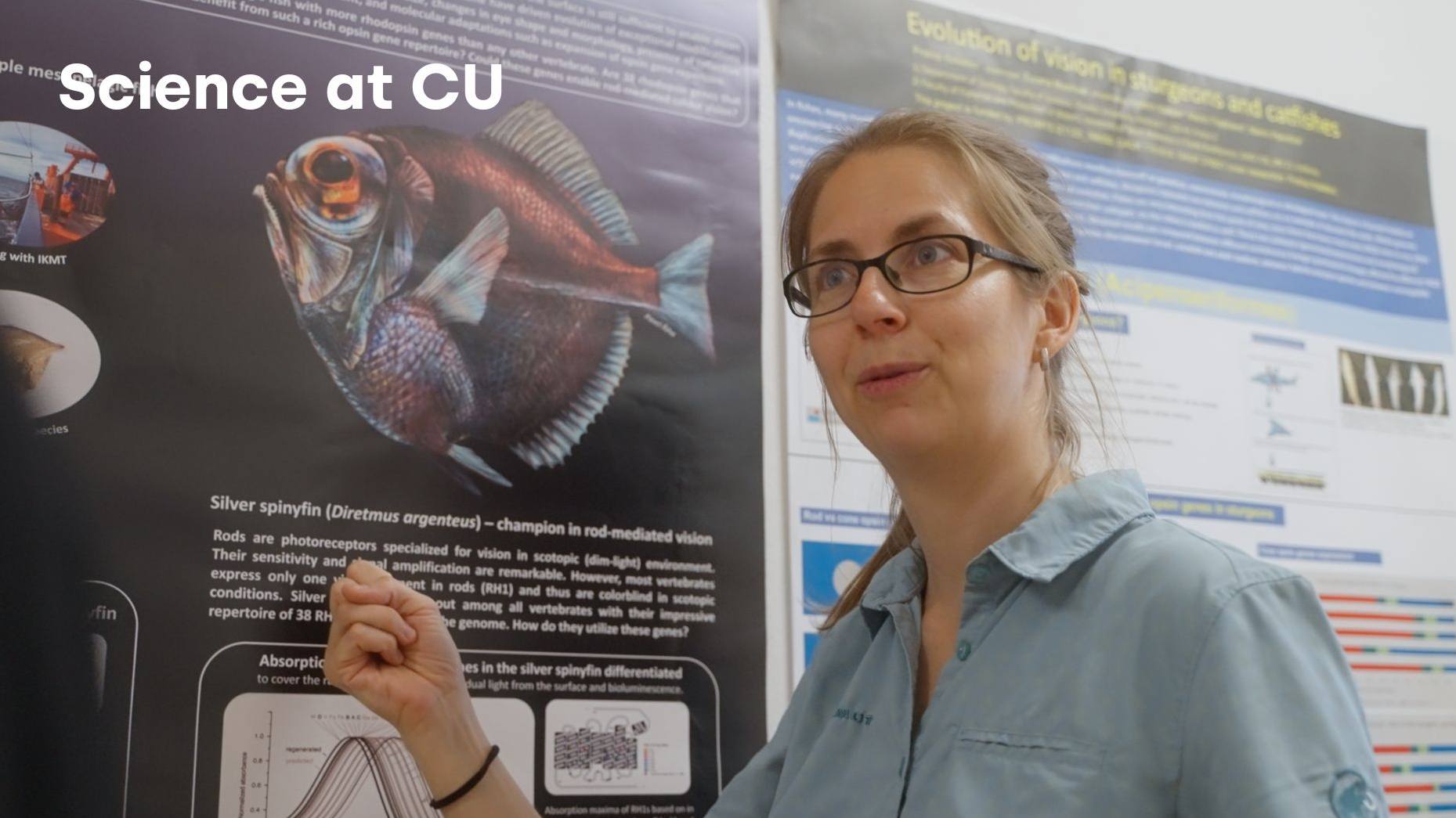
"We explore the extremes of the vertebrate eye. Deep-sea fish are very interesting in that they have many extreme adaptations, from which we can then draw conclusions for our human ventricular eye," explains evolutionary biologist Zuzana Musilová from the Faculty of Science of Charles University. More in one minute.
24 June 2024
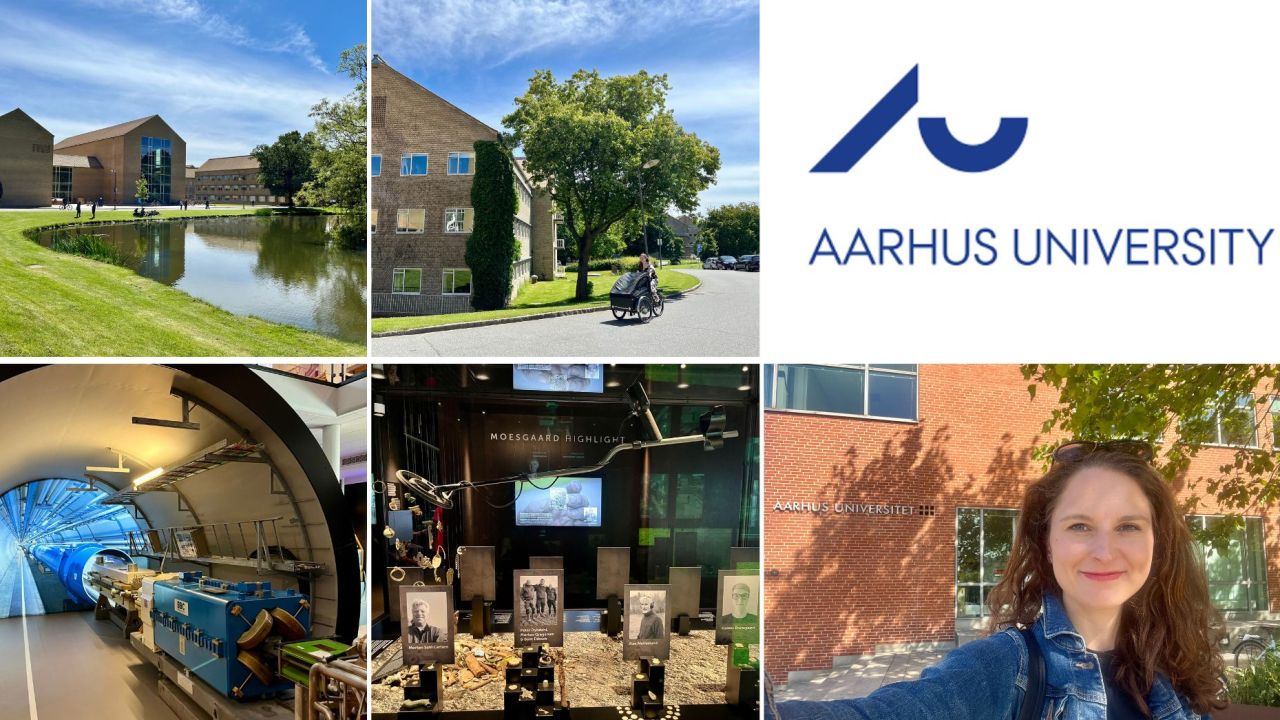
Aarhus University is the second largest and second oldest university in Denmark, located in the country's second largest city. The university stands out for its strong international focus.
15 June 2024
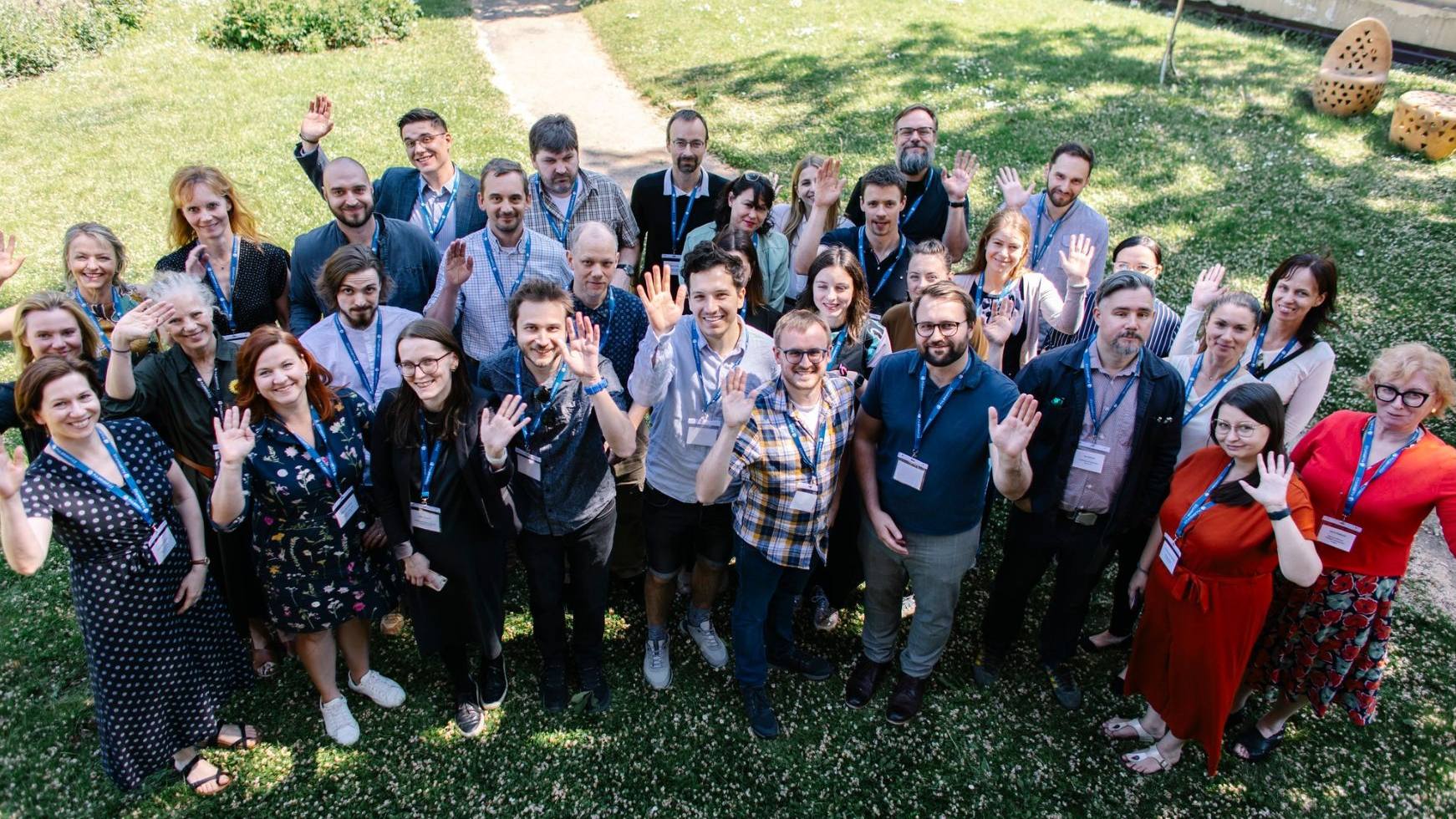
A total of 26 Czech scientists, students or representatives of non-governmental organizations have succeeded in the prestigious competition for the Fulbright Scholarship. Among them are nine colleagues from Charles University.
13 June 2024
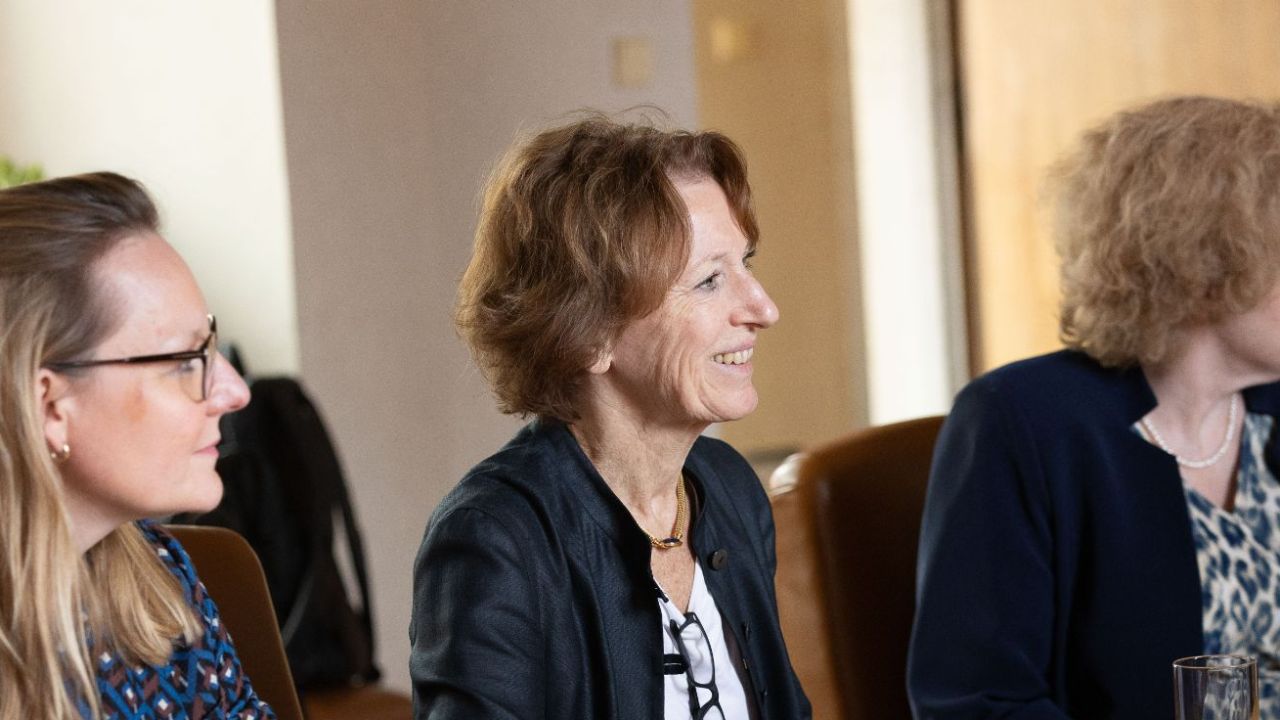
"For excellent science you need money, freedom, high-quality infrastructure and a good academic environment," says Maria Leptin, president of the European Research Council (ERC), who recently visited Charles University.
02 June 2024
"The era of superspecialists is coming to an end, the future belongs to graduates who are able to connect individual disciplines and find solutions to complex problems," says molecular biologist Jan Černý from the Faculty of Science.
01 June 2024
Are collective commitments within military alliances such as NATO being upheld, or do the representatives of the countries decide based on public opinion? CU's Michal Smetana clinched an ERC grant to try and answer the question.
28 May 2024
"Cybersecurity is not just about technical knowledge, but includes a wide range of disciplines incl. diplomacy, international law, int'l relations or psychology," explains Lucie Kadlecová in one minute, who returned to the Czech Republic after working abroad.
24 May 2024
Even pedagogy is a science. Teacher Daniel Pražák, who recently completed his doctoral studies at the Faculty of Education of Charles University, knows this. What does he enjoy most about teaching? Find out in one minute.
16 May 2024
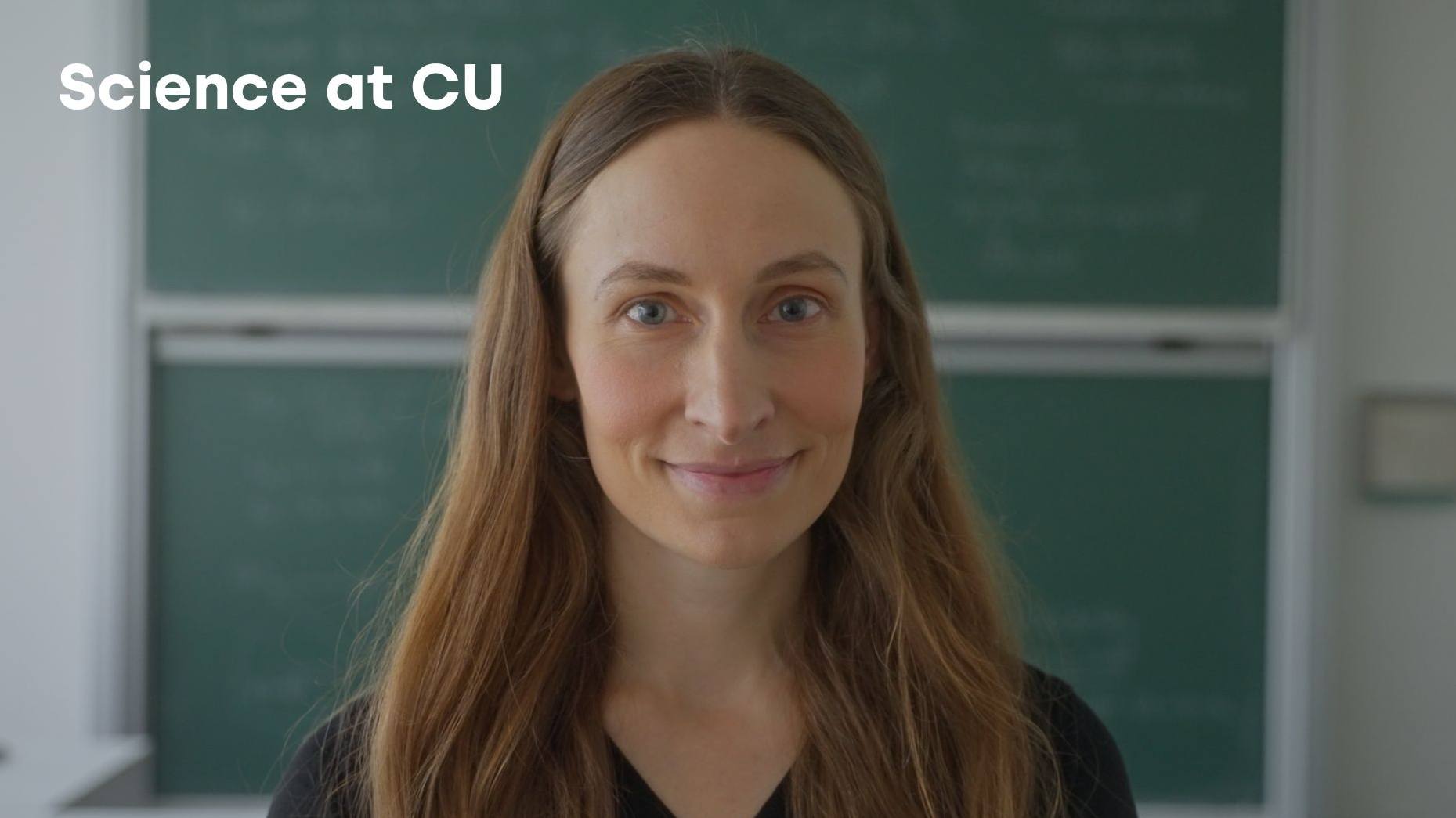
Explain your research clearly in one minute. This is exactly the task given to scientists from Charles University in the new video series Science at CU. The first to take on the task was mathematician Erin Carson, who is inventing new algorithms for supercomputers.
04 April 2024
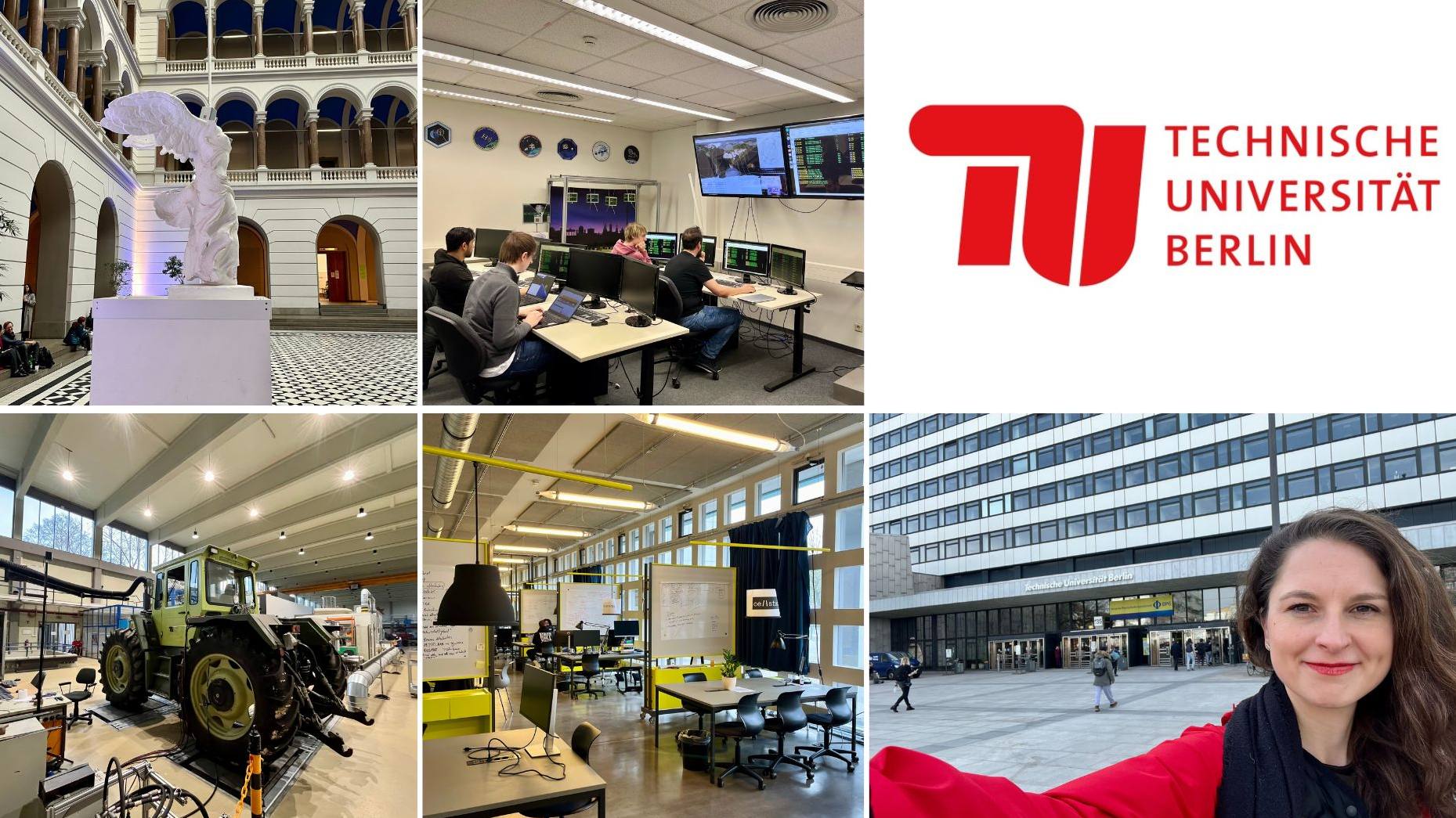
At the Technische Universität Berlin (TU Berlin), great emphasis is placed on collaboration, both between faculties and disciplines, but also across Berlin universities. Pavla Hubálková found out more as part of her Erasmus internship.
19 March 2024
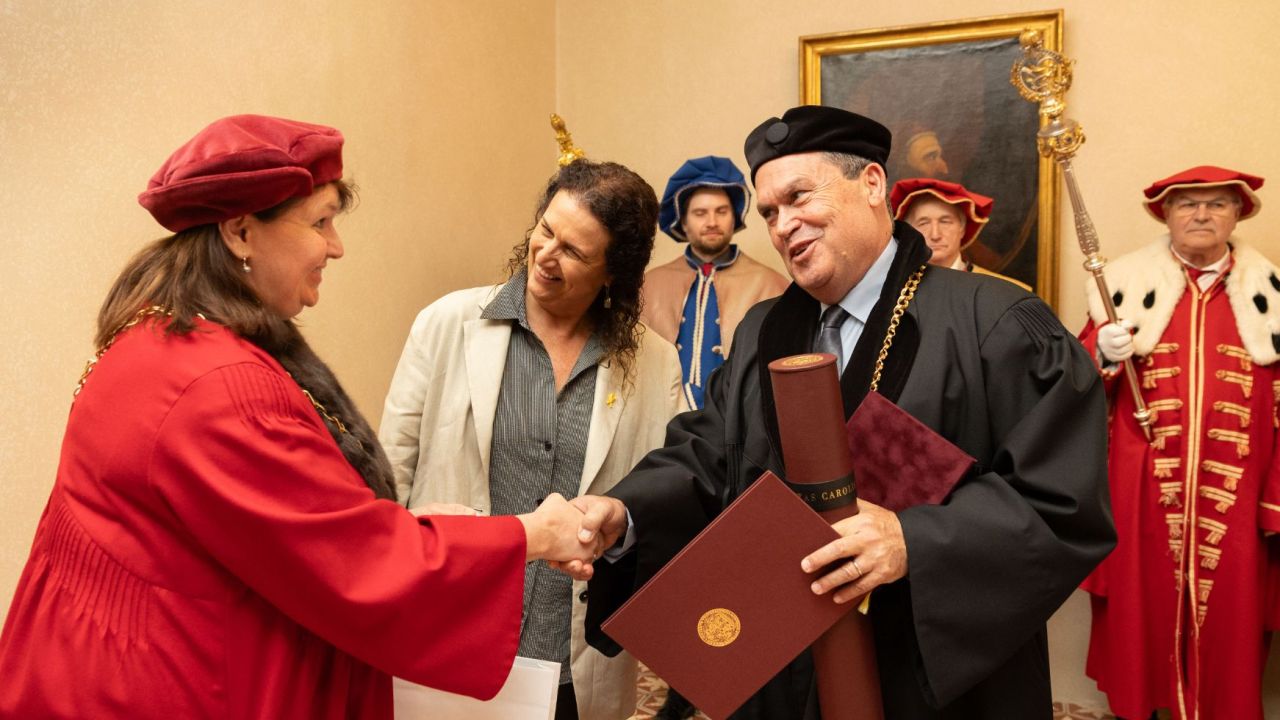
Oded Lipschits, a professor of Jewish history, combines archaeological excavations with a modern approach to the study of the Bible. "For me, the whole – the context – is the most important," says the researcher, who recently received an honorary doctrate from CU.
19 March 2024
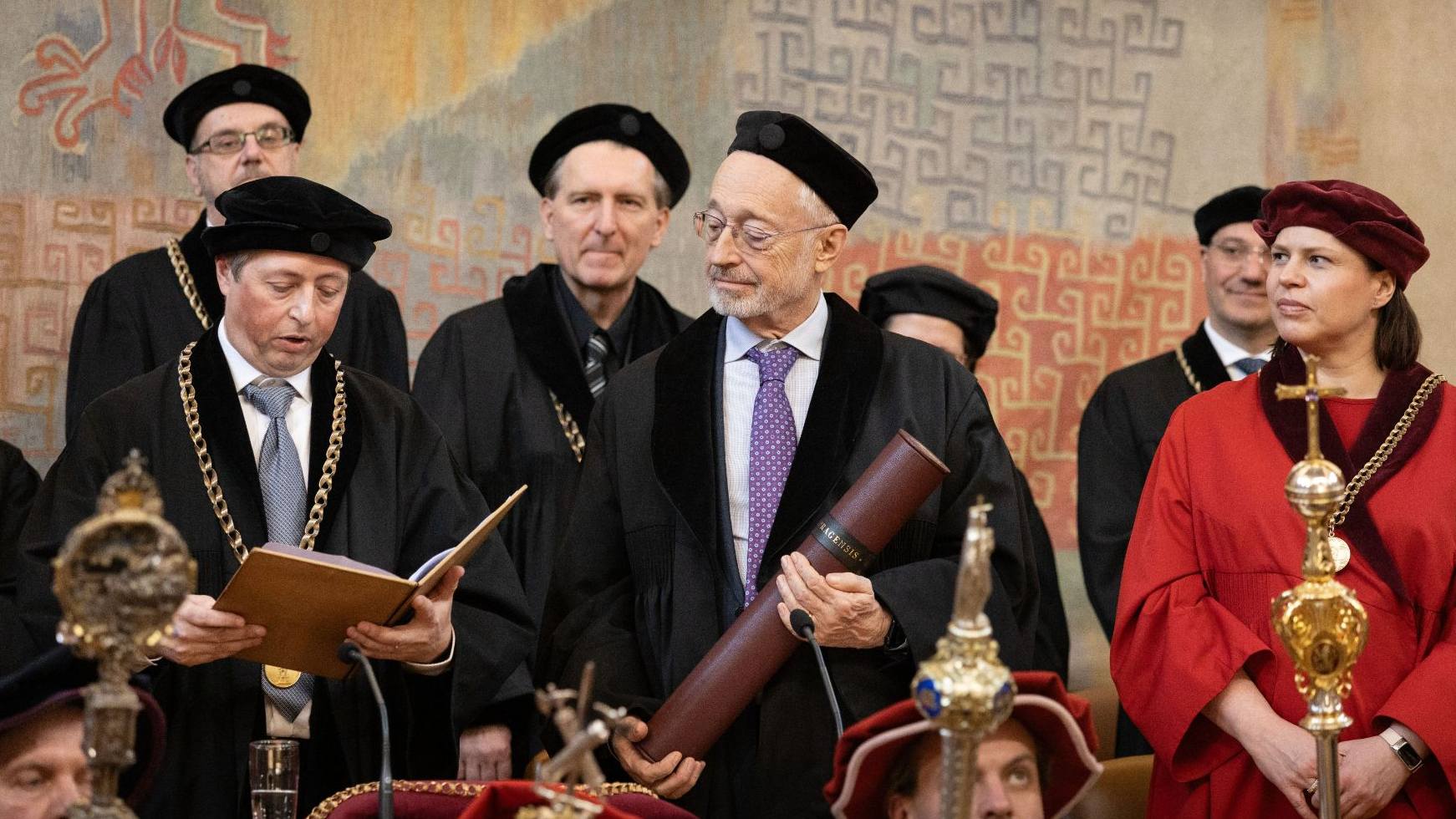
Economist Paul Robert Milgrom's work has significantly influenced many areas of modern economics. He transformed the world of auctions for which he was awarded the Nobel Prize. He has now received the honorary title of doctor honoris causa at CU.
23 February 2024
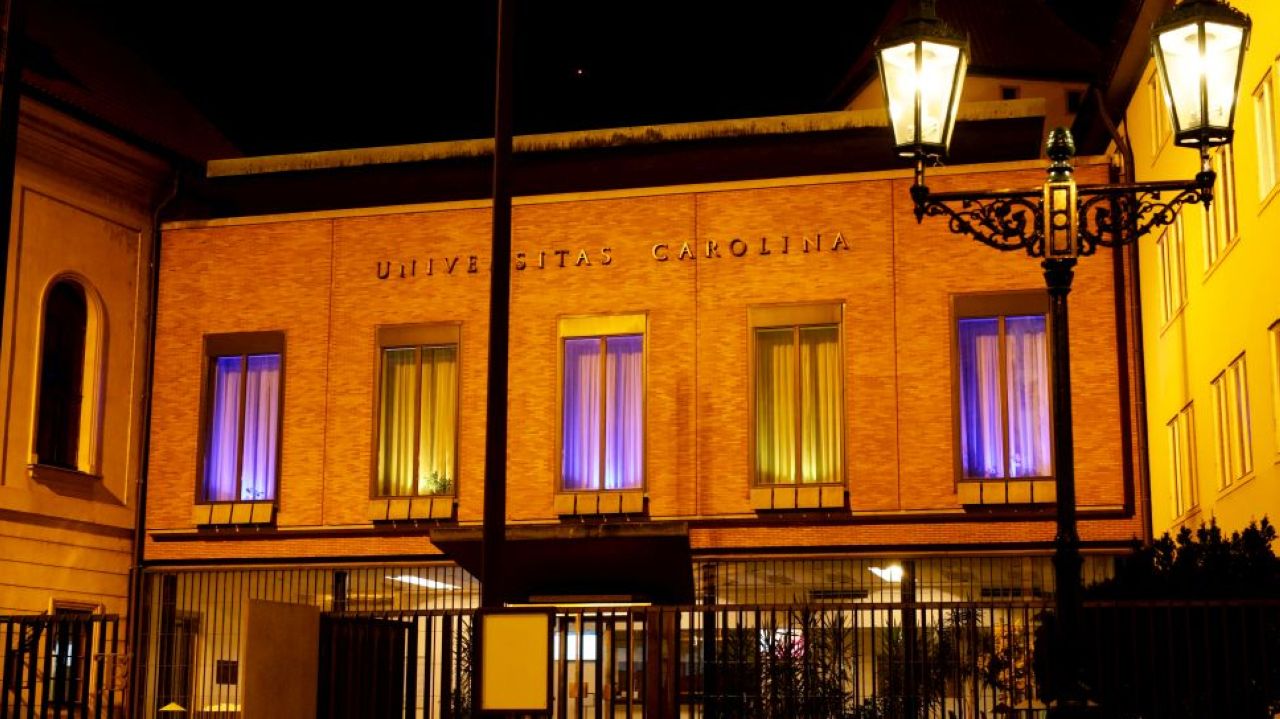
It has been almost two years since the Russian attack on Ukraine began at dawn on 24 February 2022. Ahead of the sombre anniversary, Forum reports on the work of Ukrainian scientists and scholars at Charles University.
22 November 2023
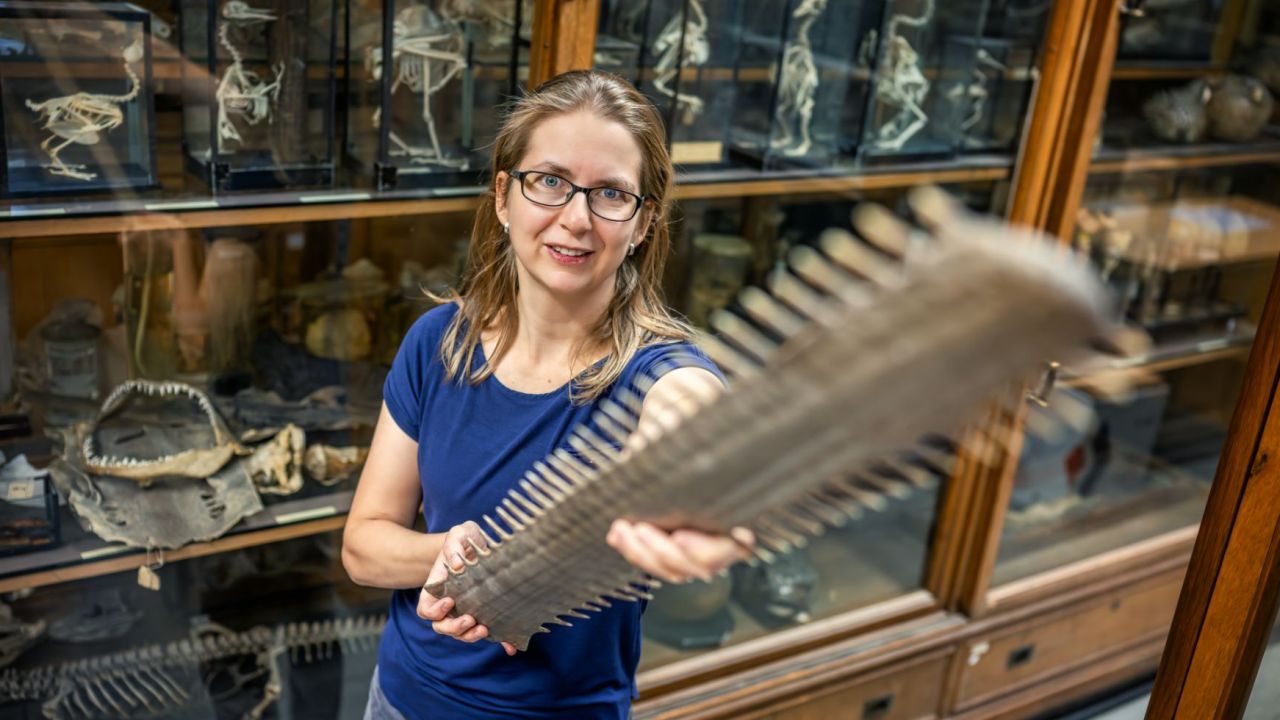
"Our goal is to understand the limits of what the vertebrate eye is capable of! By studying the eye of deep-sea fish, we can also learn many useful insights about the human eye" says CU's Zuzana Musilová - awarded a prestigious ERC Consolidator grant.
22 November 2023
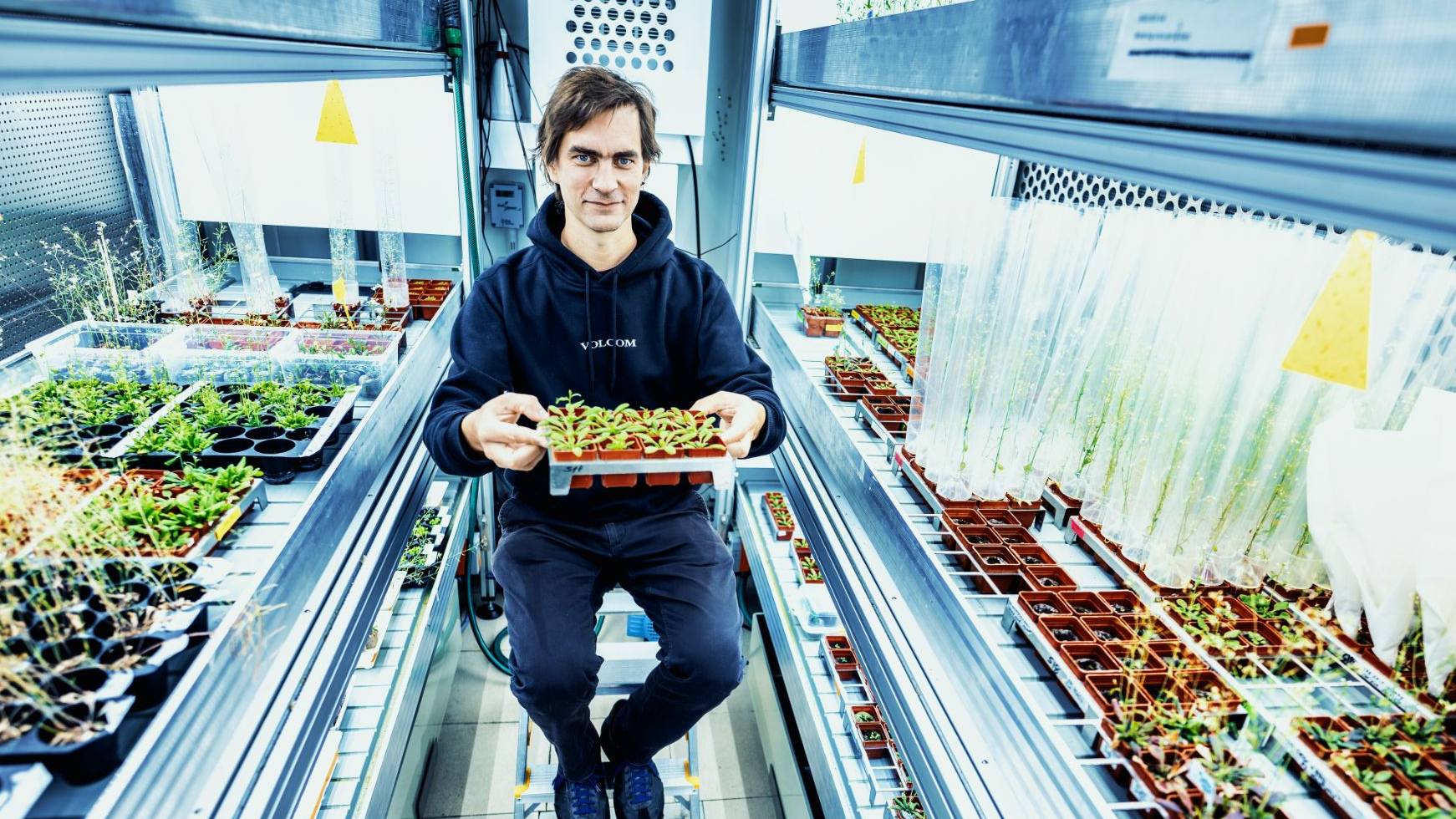
"We previously described rapid auxin speciation in the root of a model plant Arabidopsis thaliana. Now we want to focus on this in other parts of plants, bringing us closer to practical applications," says Matyáš Fendrych from the Faculty of Science.
21 November 2023
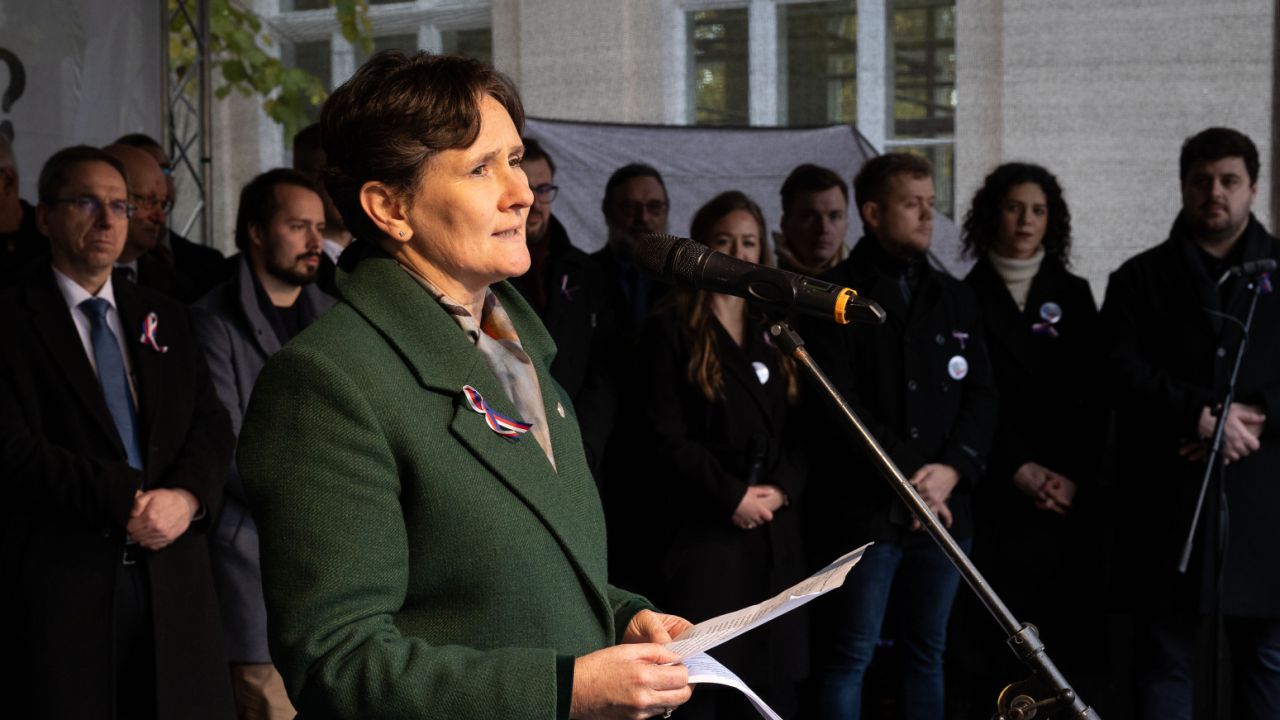
"Excellence and success breeds more success. The key to success is to attract truly high quality students and staff. It's great to have great facilities, but in the end it's all about people," says Irene Tracey, Vice-Chancellor of Oxford University.