

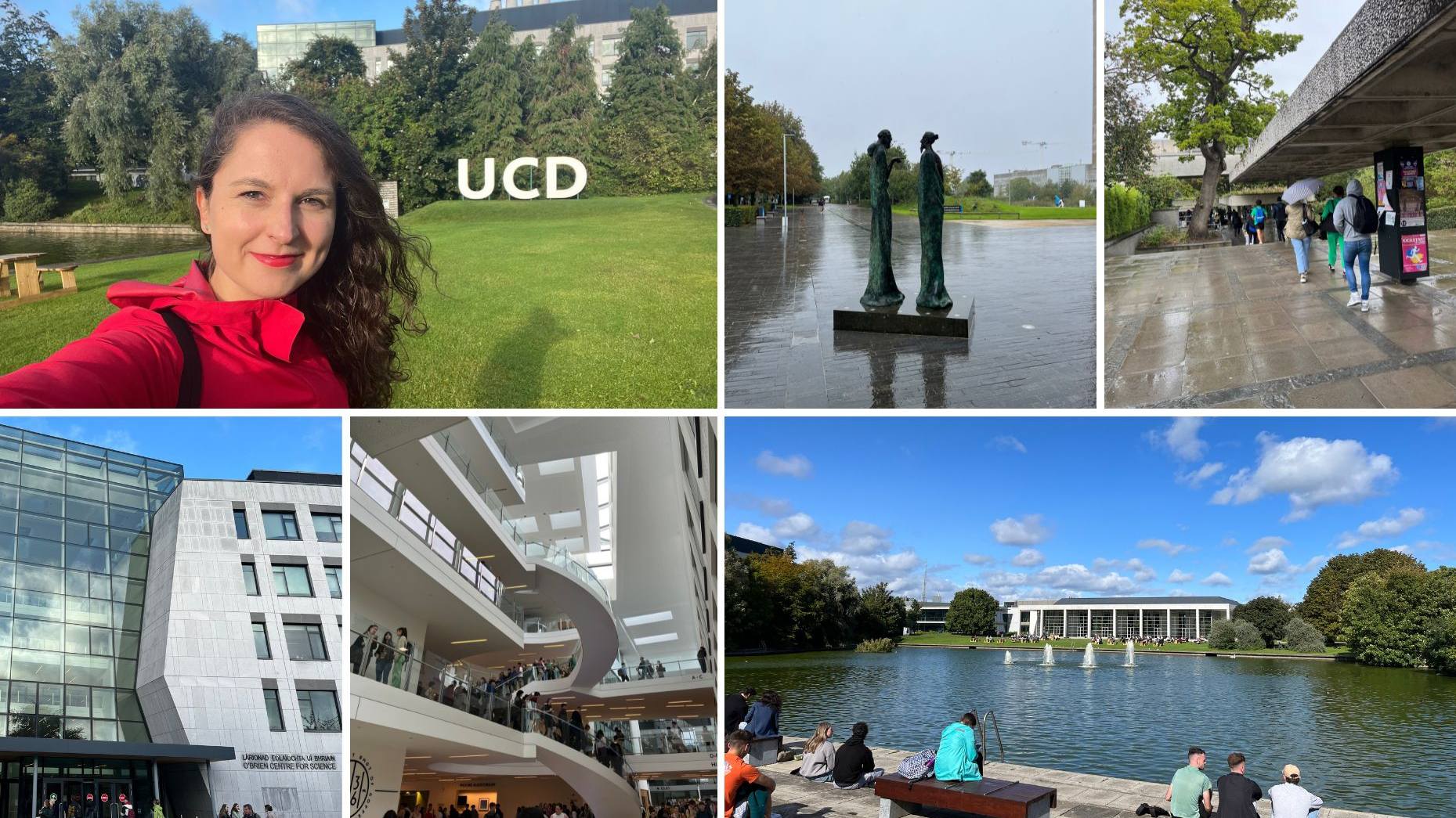
Having a publication in Nature or talking about your research on TV is not enough! What matters is the real societal impact, they emphasise at University College Dublin. Pavla Hubálková found out how research and science communication is approached there.
Articles by Pavla Hubálková

Pavla Hubálková
Articles by Pavla Hubálková
04 September 2023
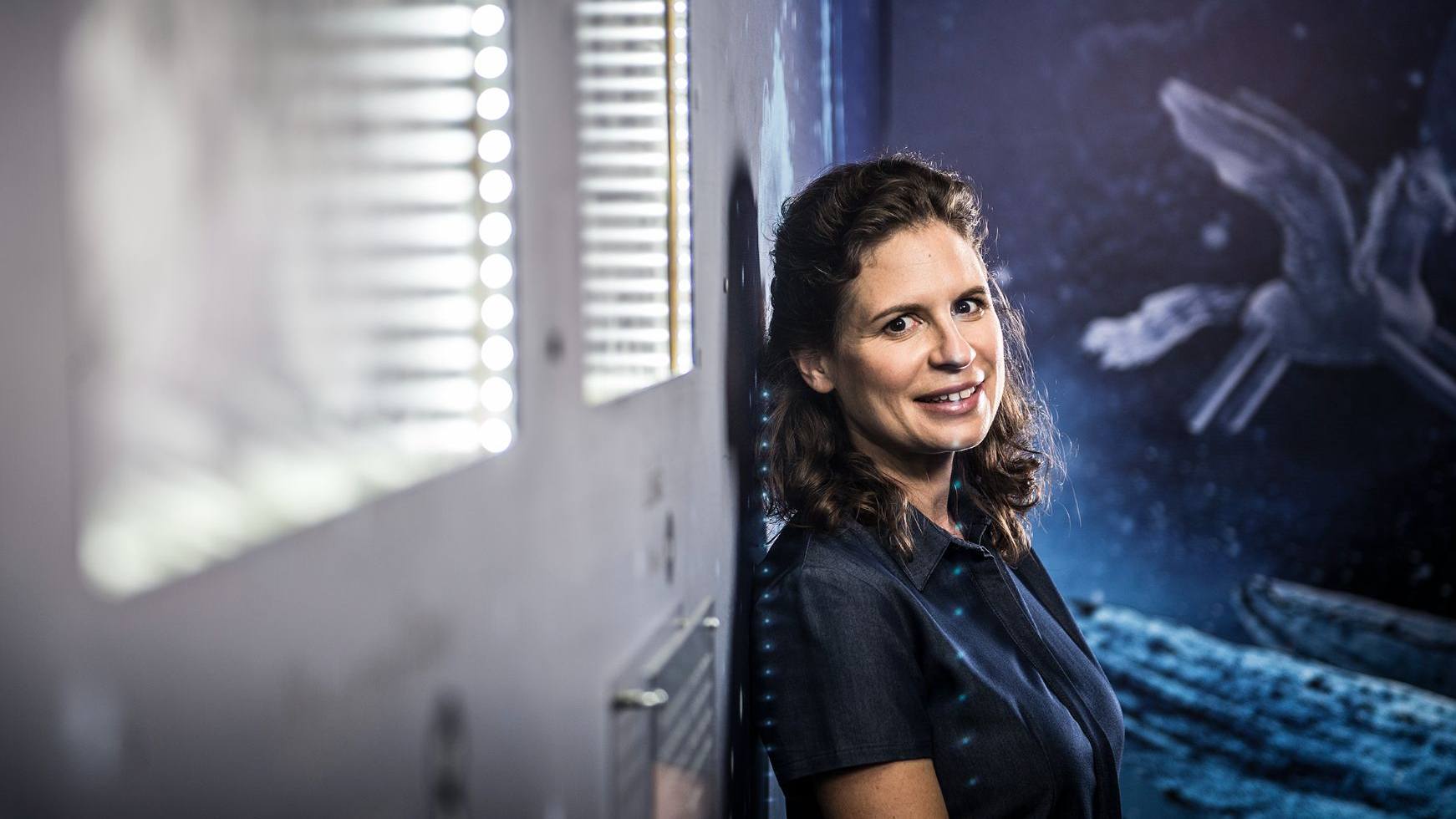
"One of the panel members made everybody chuckle during the interview when he said that I had cleverly designed a project on the joys of what most of us do most of the day," says Anežka Kuzmičová. She has won a prestigious ERC Starting Grant.
16 August 2023
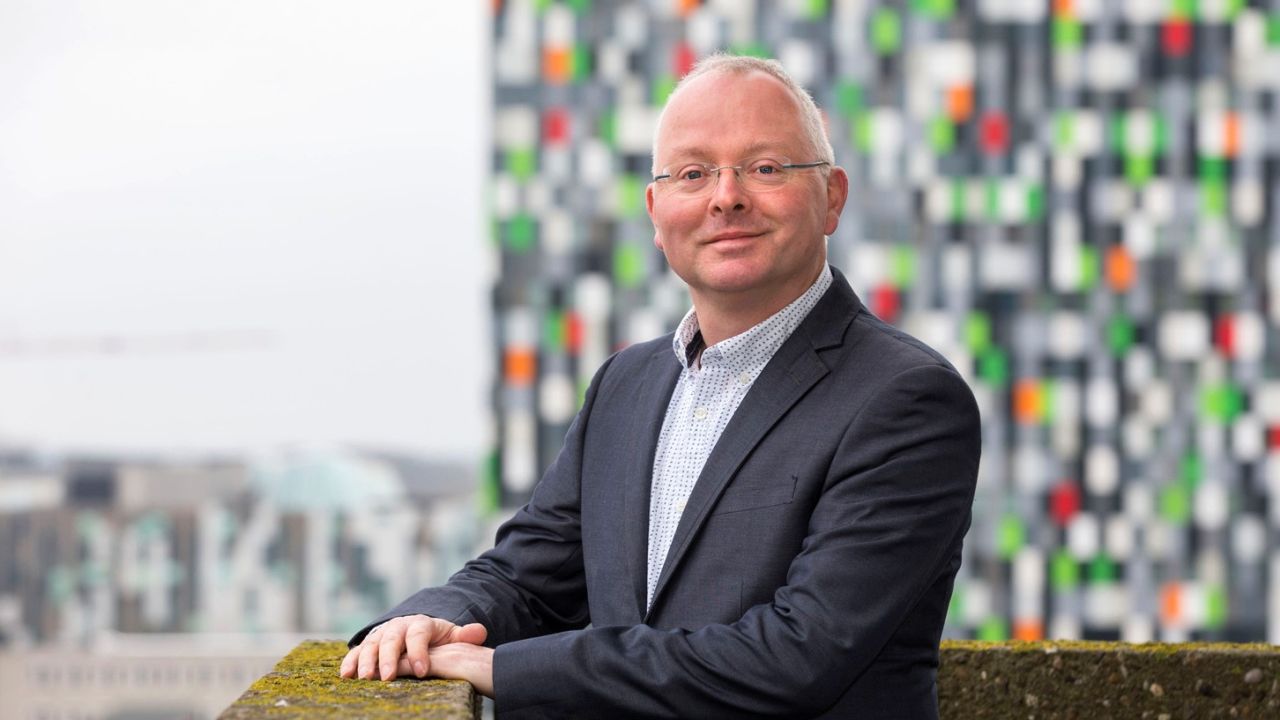
“Be a sponge – keep absorbing information from a broad perspective,” says Professor Albert Heck from Utrecht University. Heck is internationally recognised as one of the top pioneers in the use of mass spectrometry for large-scale protein research.
23 July 2023
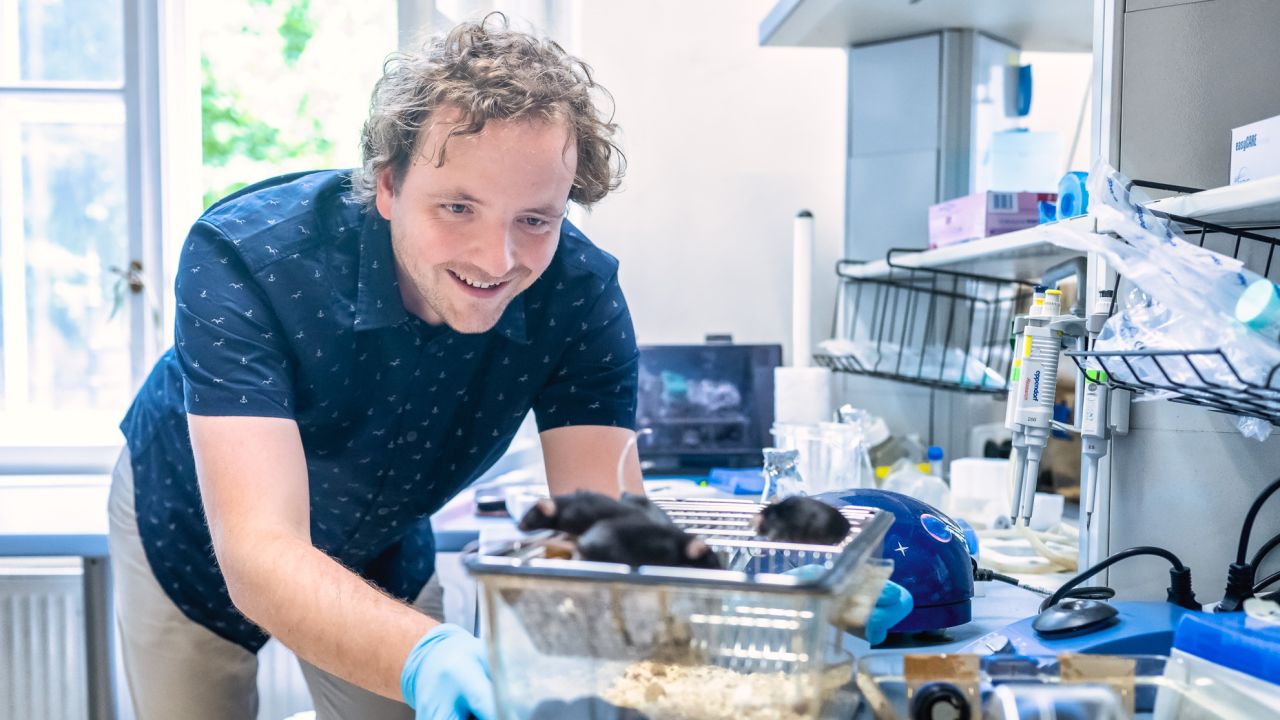
"We discovered a completely new type of immune cell that plays key roles in the immune system's response to microorganisms," says Jan Dobeš, who was invited with Jakub Abramson and colleagues to write a review article in Nature Review Immunology.
23 July 2023
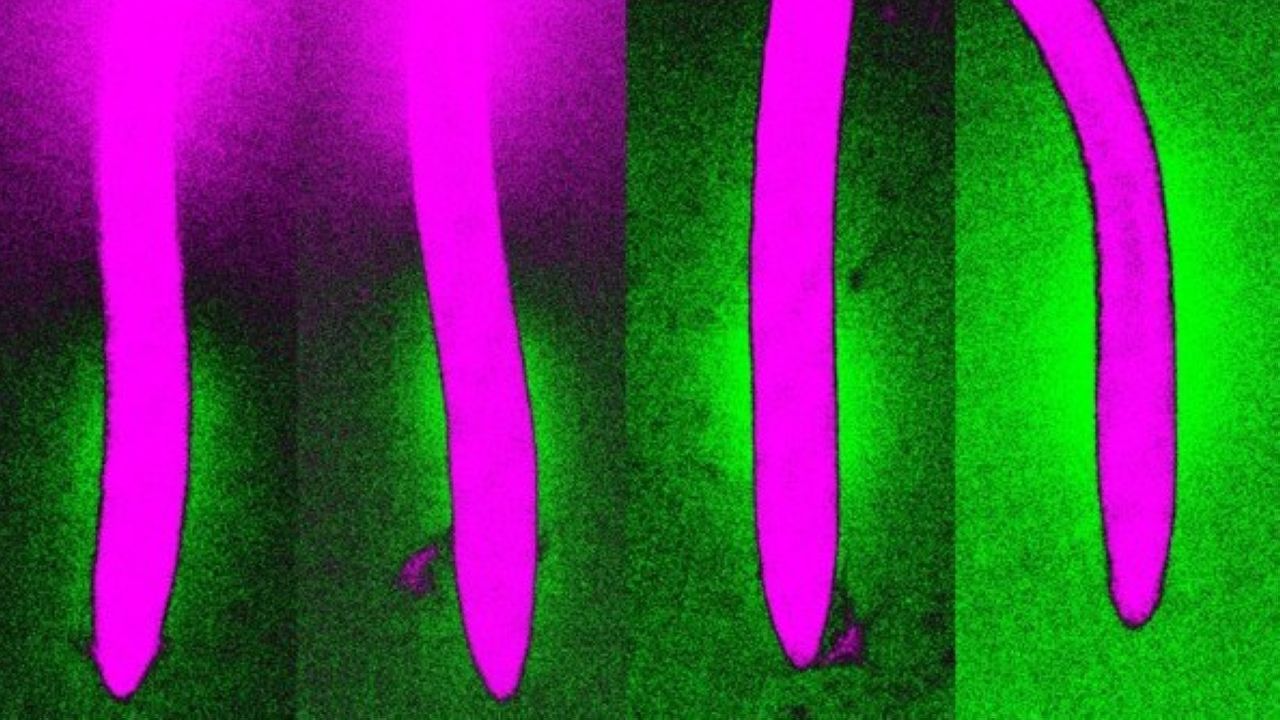
A scientific team led by Matyáš Fendrych from the Faculty of Science of Charles University has succeeded in discovering a new signalling mechanism in the so-called fast auxin pathway. And explained results in a publication just a few days ago.
07 July 2023
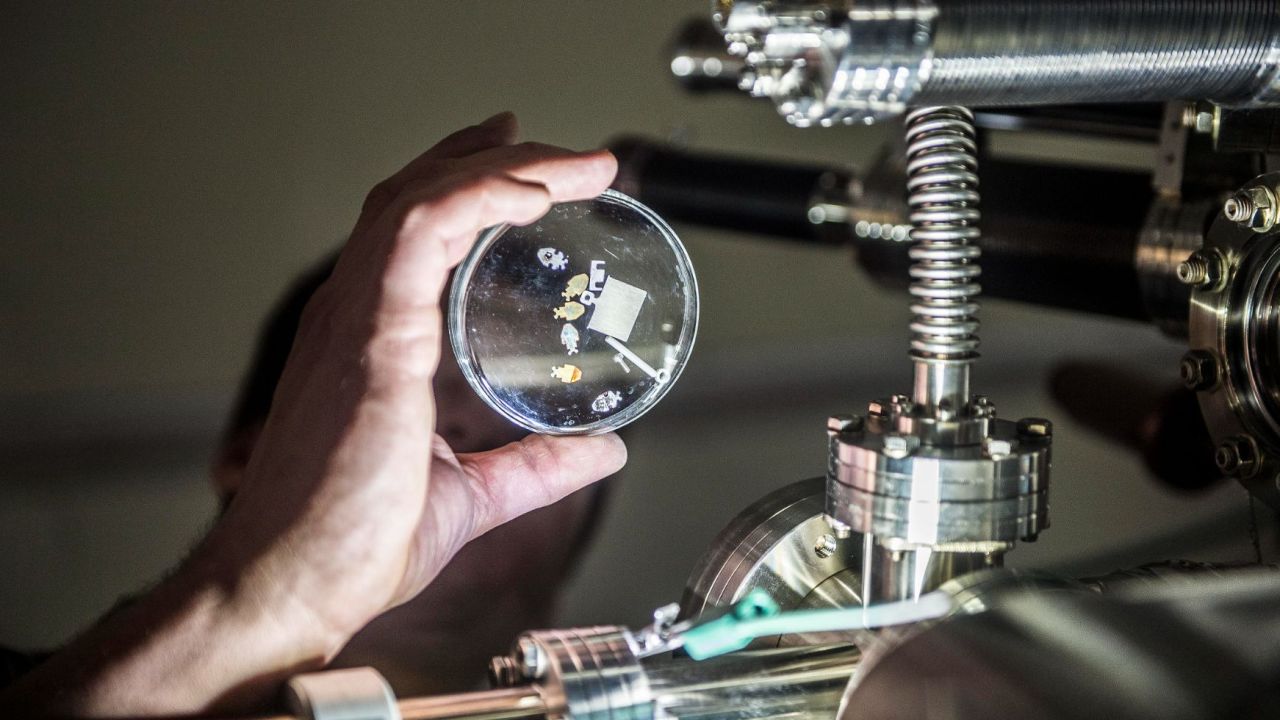
The ERC grant competition is one of the most prestigious: top scientists regularly compete for funding. Those working at Czech institutions who receive top marks but fail to get backing, can receive "ERC CZ" funding from the Ministry of Education.
26 June 2023
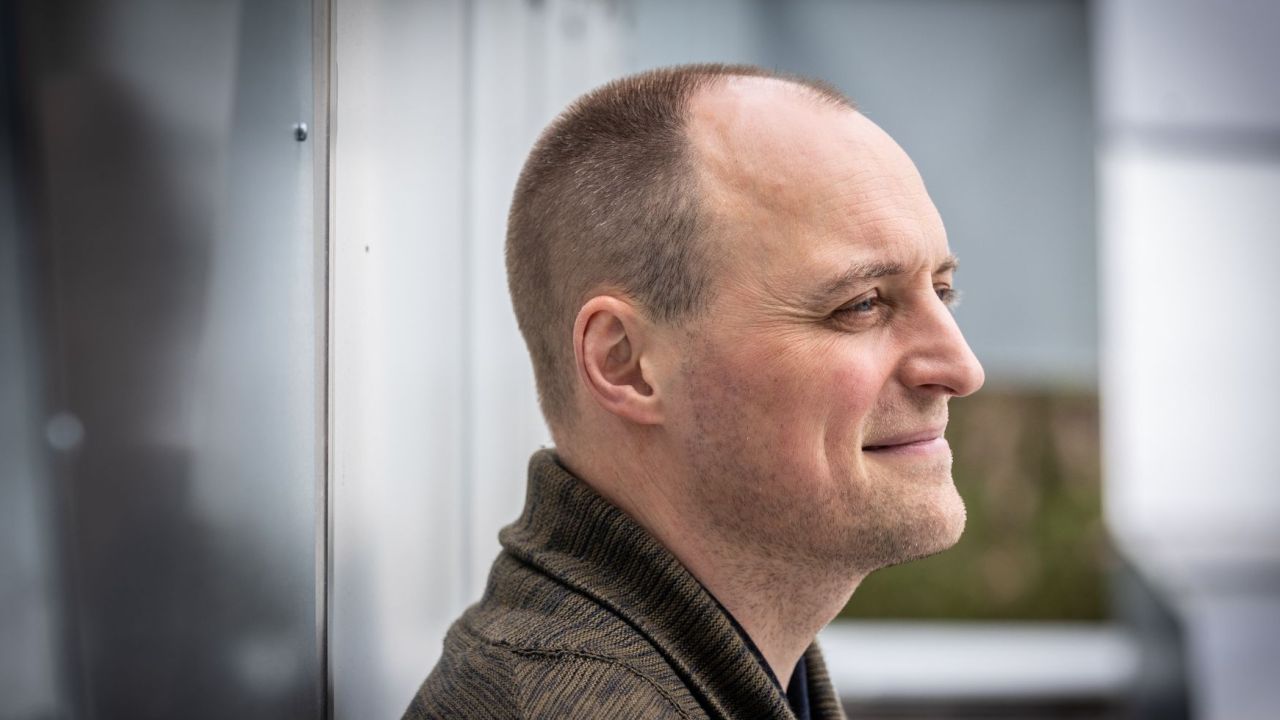
The only certainty in our lives is its end. Yet we avoid the subject of dying as much as possible. “Palliative care is not just about the end of life. It is about living well for as long as possible, despite a serious illness,” says Martin Loučka, assistant professor at the Third Faculty of Medicine.
26 June 2023
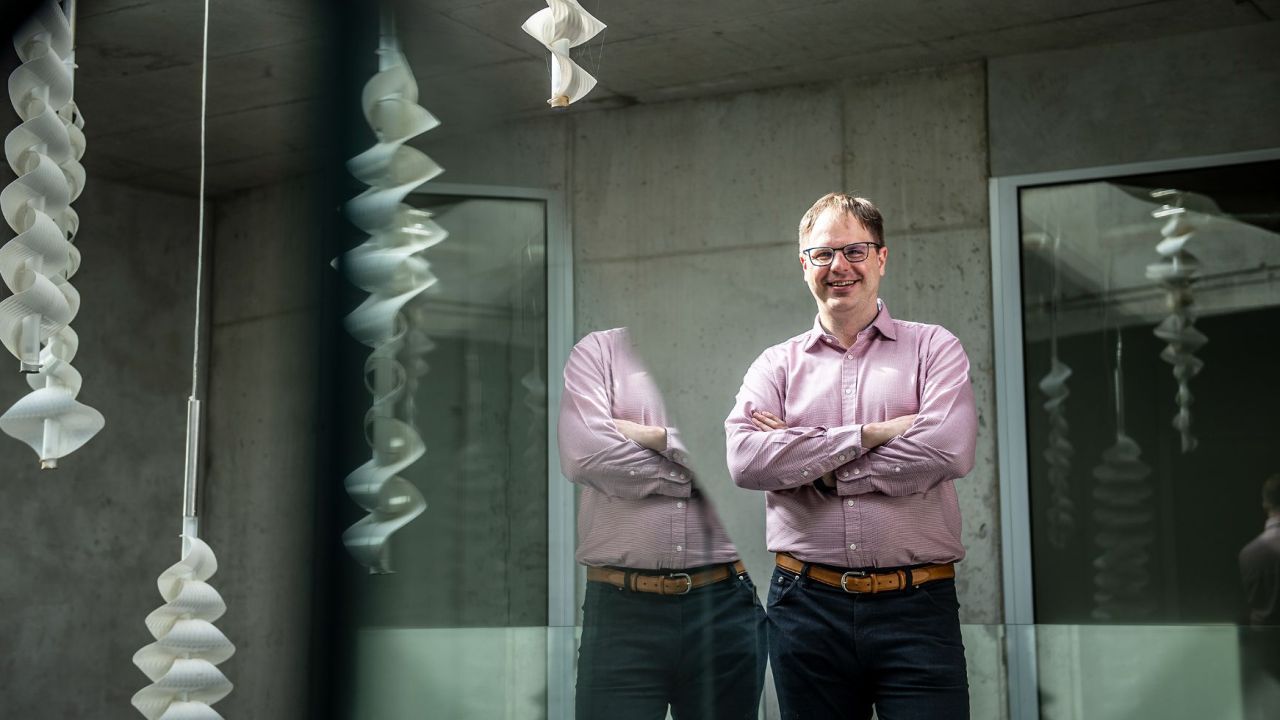
“Corporate research still has a hard time in the Czech Republic, there is a lack of targeted support,” says Martin Dienstbier, who graduated from the Faculty of Mathematics and Physics and co-founded the successful company DIANA Biotechnologies.
26 June 2023
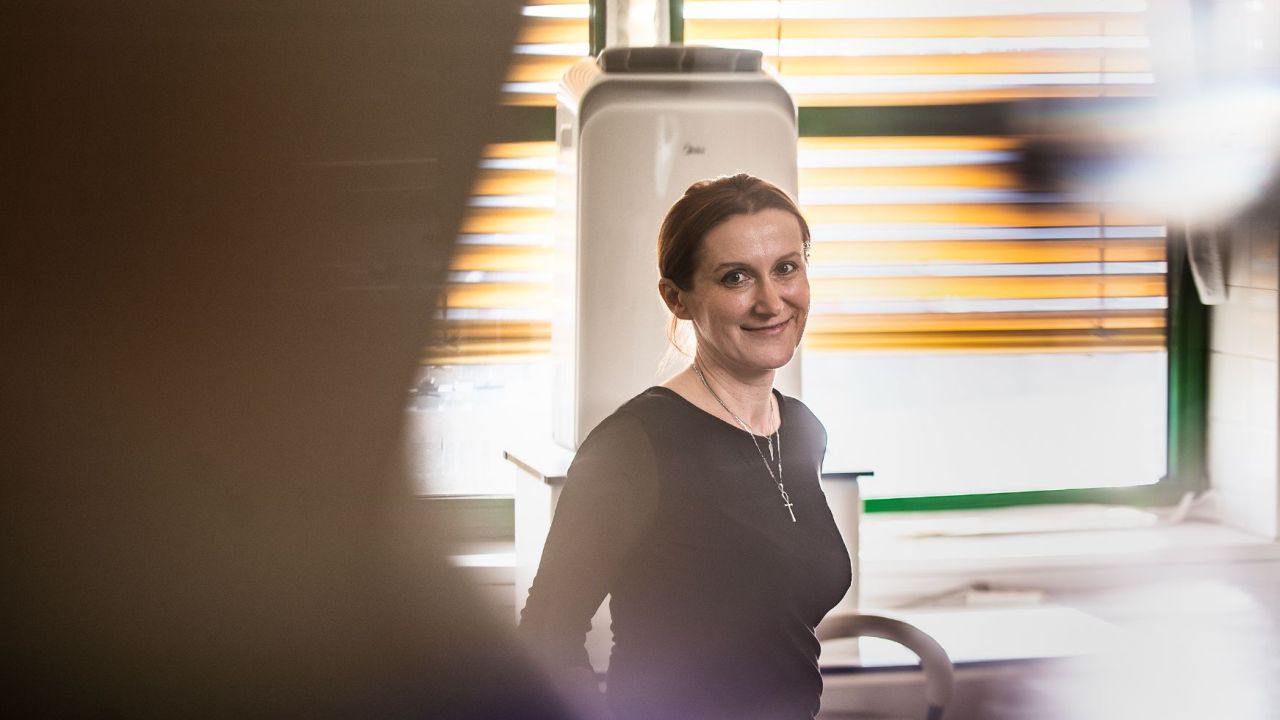
“Doing science these days is generally quite stressful - you're constantly writing grants or explaining in evaluation reports why it's not working out the way you thought it would,” warns molecular geneticist Eva Froňková from the Second Medical Faculty of Charles University.
22 June 2023
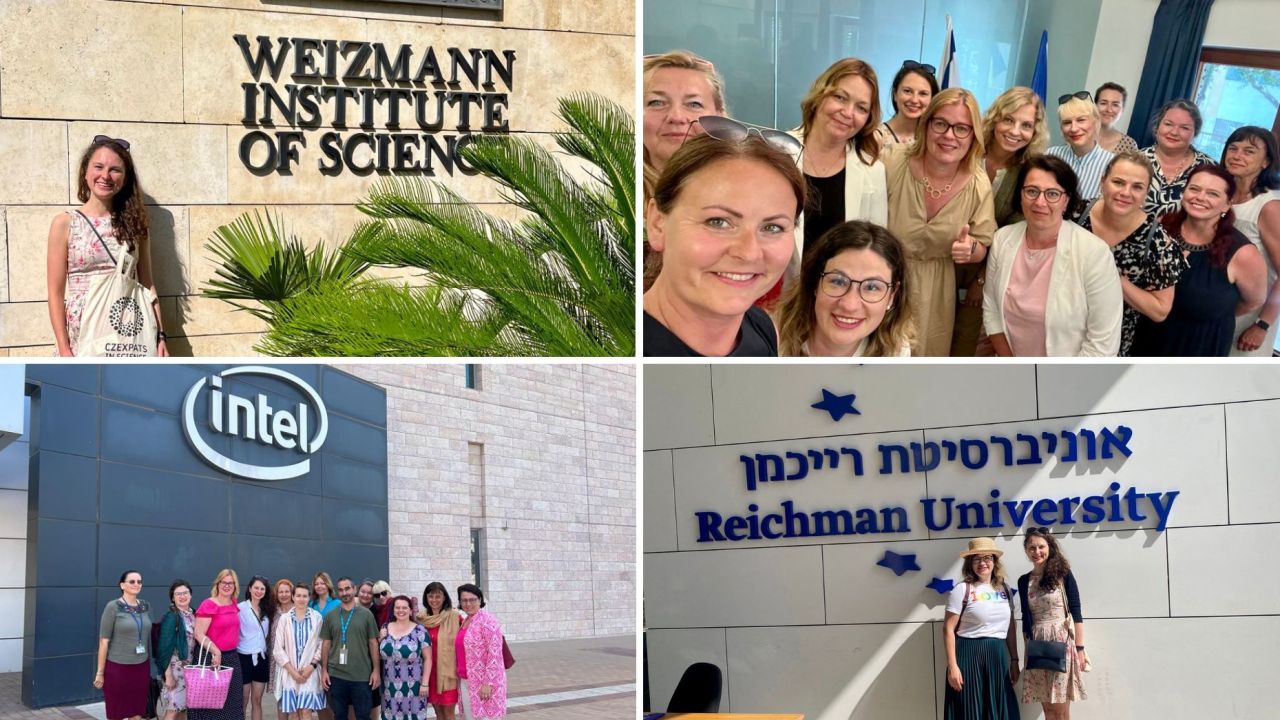
How did a country that exported oranges in the 1950s become a world leader in innovation, and can that success be replicated? This is what the participants of the 3rd Women's Mission to Israel, including Pavla Hubálková from Forum, found out.
20 June 2023
“Universities in some ways are run like big corporations. This has at times resulted in criticism from faculty that see the corporatisation of higher education as a recent issue,” says Klara Jelínková, VP and Chief Information Officer at Harvard.
13 June 2023
“It is an unprecedented success,” says Martin Loebl, the head of the Department of Applied Mathematics at Charles University, regarding Hans Raj Tiwary. He has been awarded the Gödel Prize - one of the most prestigious awards in the field of computer science.
14 May 2023
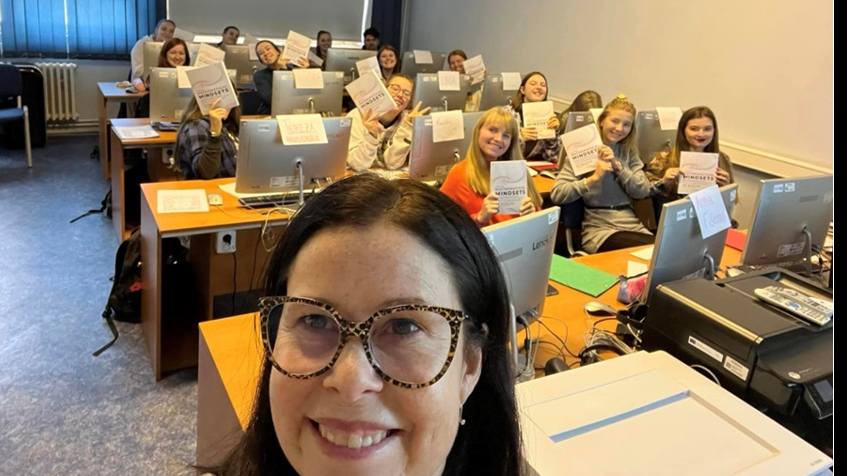
Janet Tassell is a professor at at Western Kentucky University. During the winter semester, she spent three months as a Fulbright Scholar at the Faculty of Education, Charles University, where she conducted research to apply mindfulness practices in mathematics instruction.
16 March 2023

The European Molecular Biology Laboratory (EMBL) currently has 28 member countries and more than 110 independent research groups covering a wide spectrum of molecular biology in six cities in Europe. How is science communicated at EMBL?
09 March 2023
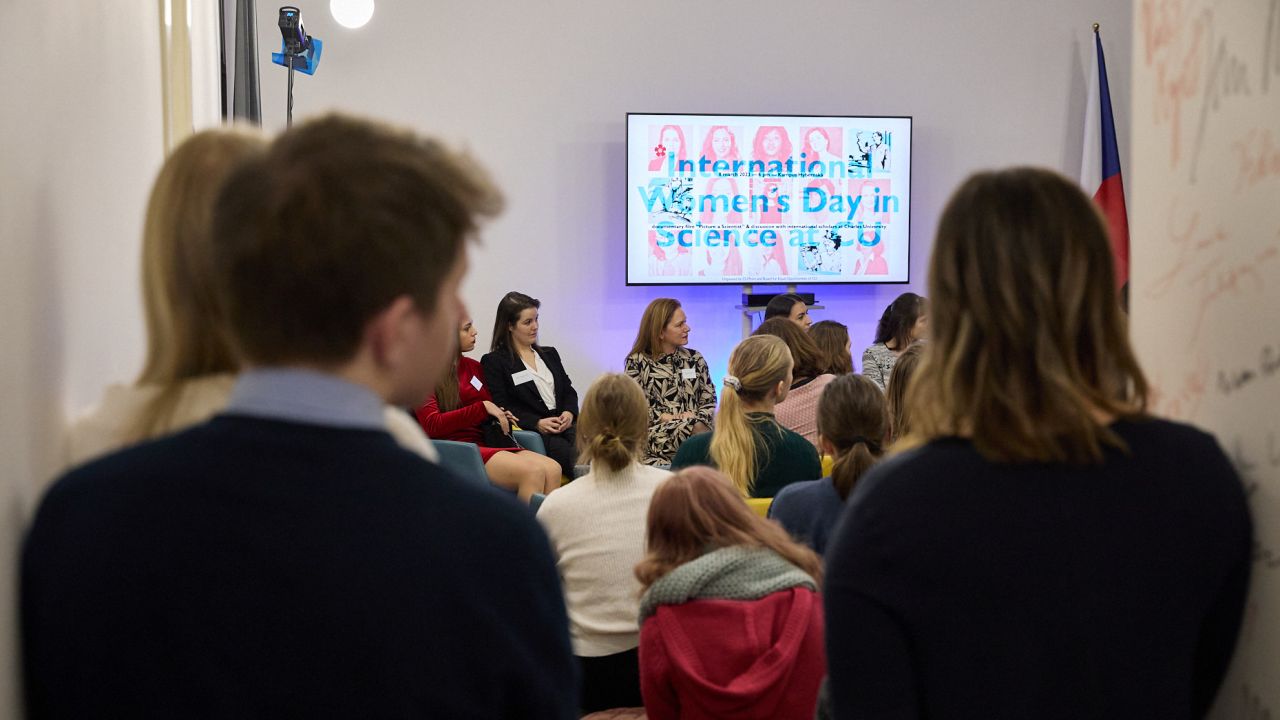
The celebrations of International Women's Day and the International Day of Women and Girls in Science were truly "international" at CU this year. More than 20 international women scientists who work at the university met at Kampus Hybernská to share their stories, experiences and motivations.
09 February 2023
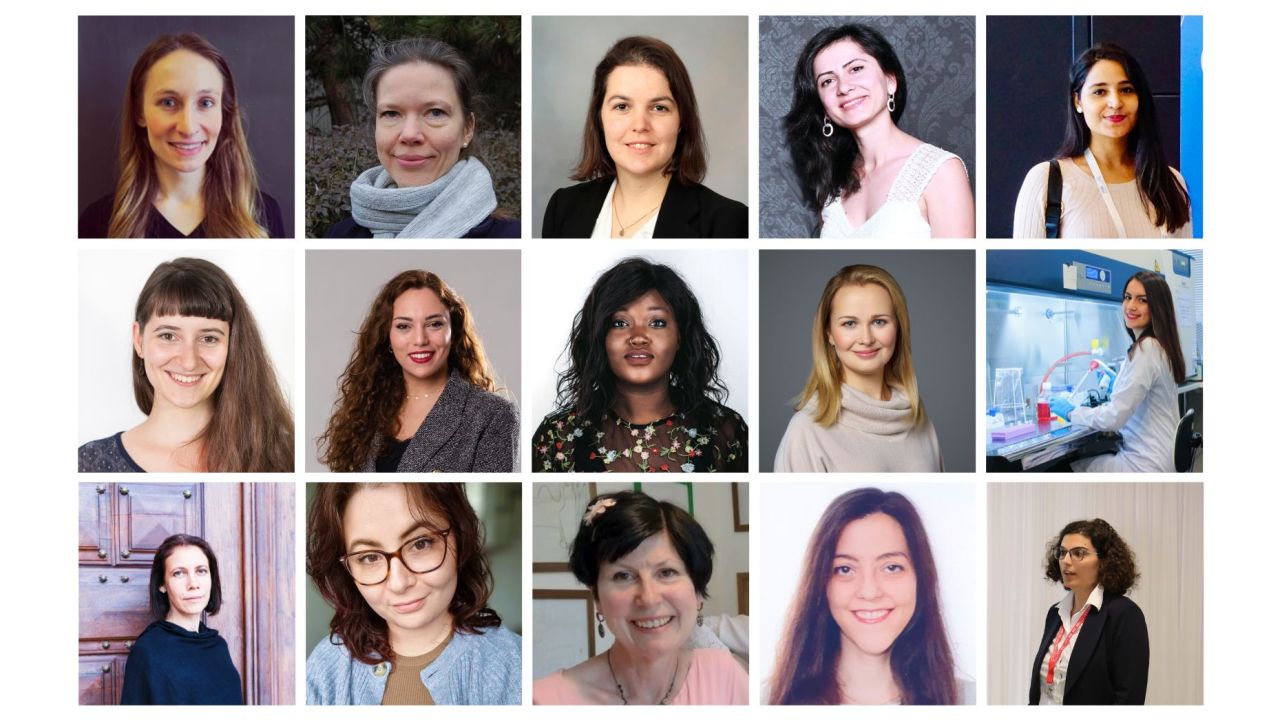
The whole world celebrates the International Day of Women and Girls in Science on 11 February. This year, Charles University decided to celebrate "internationally". We reached out to international female scientists working at Charles University and bring you two dozen experiences and stories.
08 February 2023
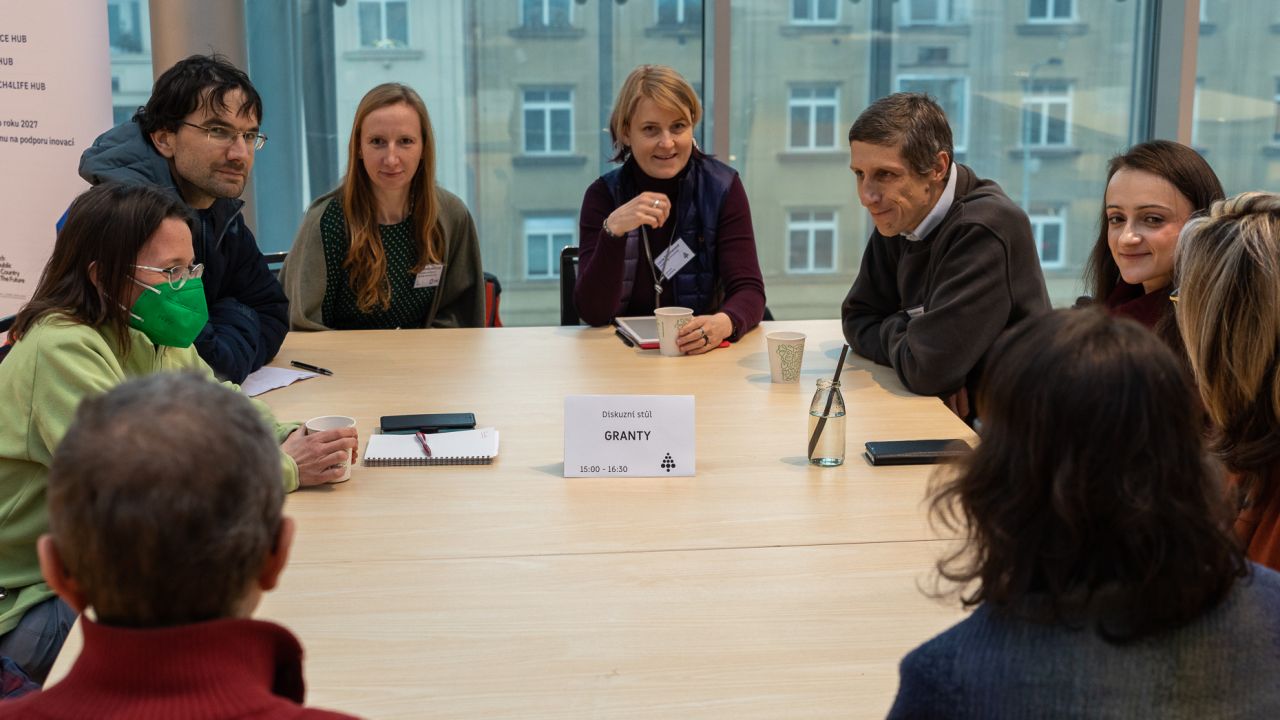
Charles University in cooperation with the Czexpats in Science Initiative is launching the Young Principal Investigator Forum #YPIF – a platform for meeting and exchanging information among young leaders of research groups from all institutions in the Czech Republic.
24 November 2022
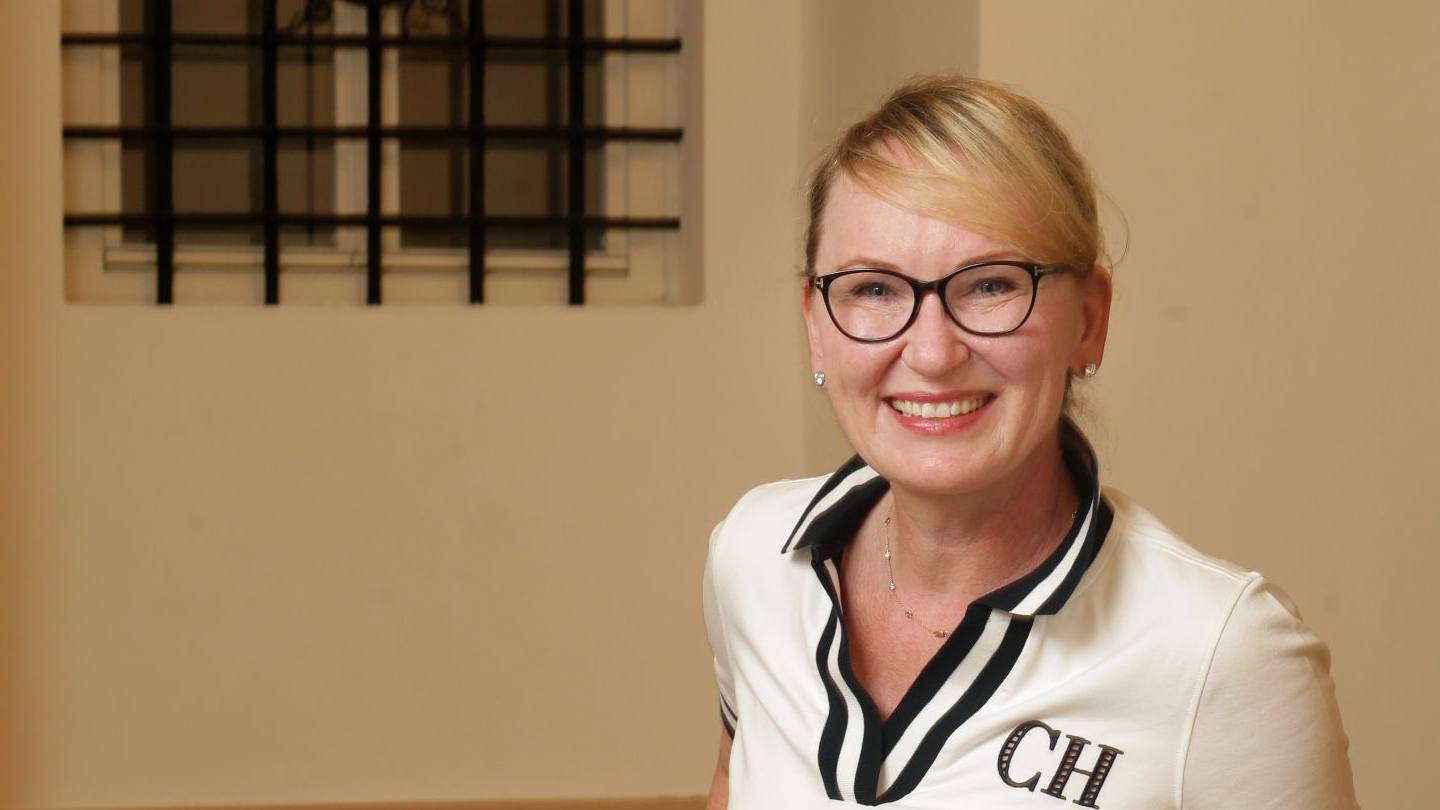
Ivana Schnur graduated from the First Faculty of Medicine at Charles University and thought she would focus on pain management in oncology. But despite a few detours and “twists of fate”, she instead co-founded and runs Sensely a few years ago – a company that develops artificial intelligence to make nurses' and doctors' jobs easier.
22 November 2022
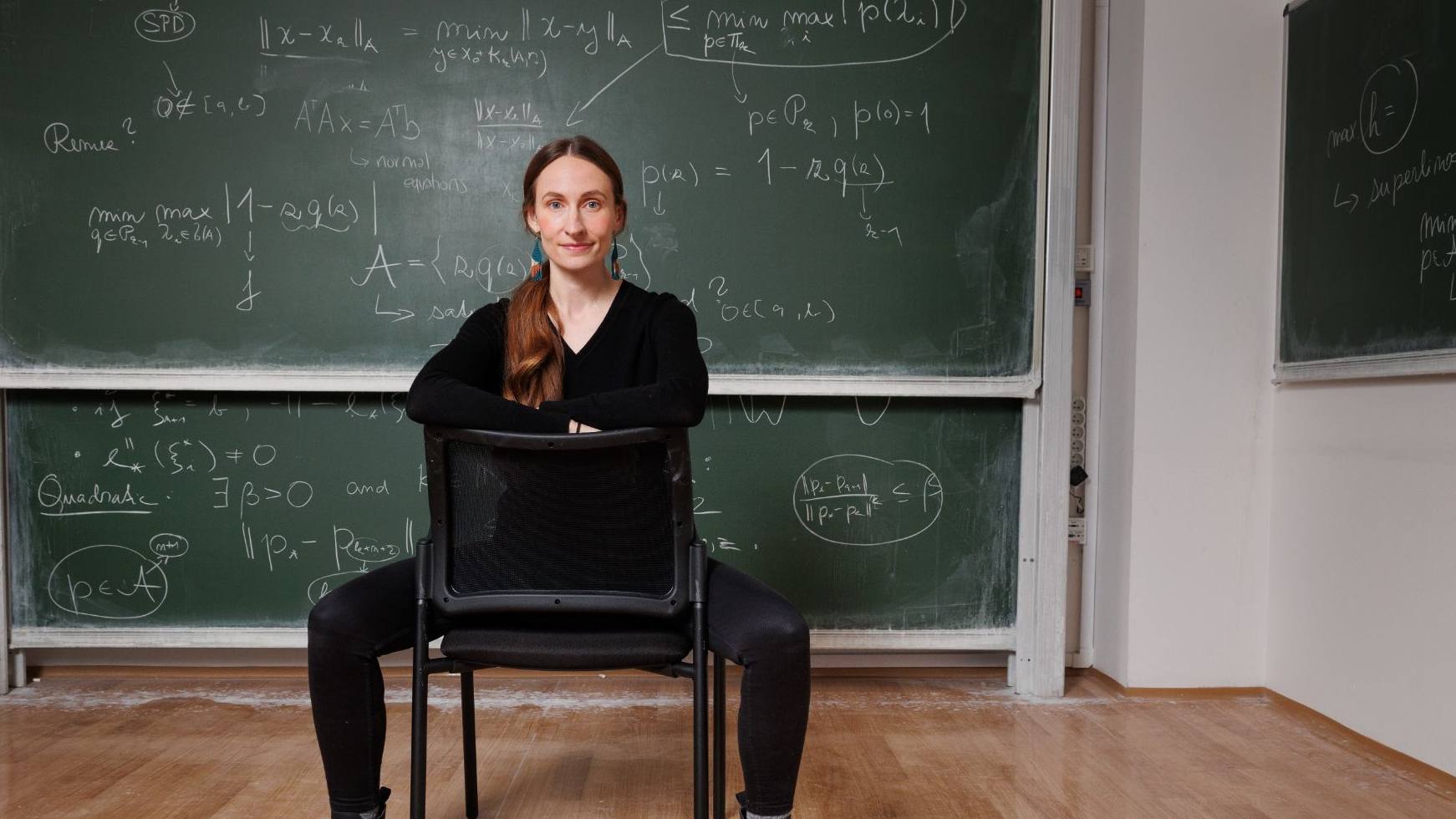
A European Research Council junior grant (ERC Starting) has gone to Erin Carson from the Faculty of Mathematics and Physics at Charles University. She will analyse numerical computations and search for new algorithms for computational systems.
13 September 2022
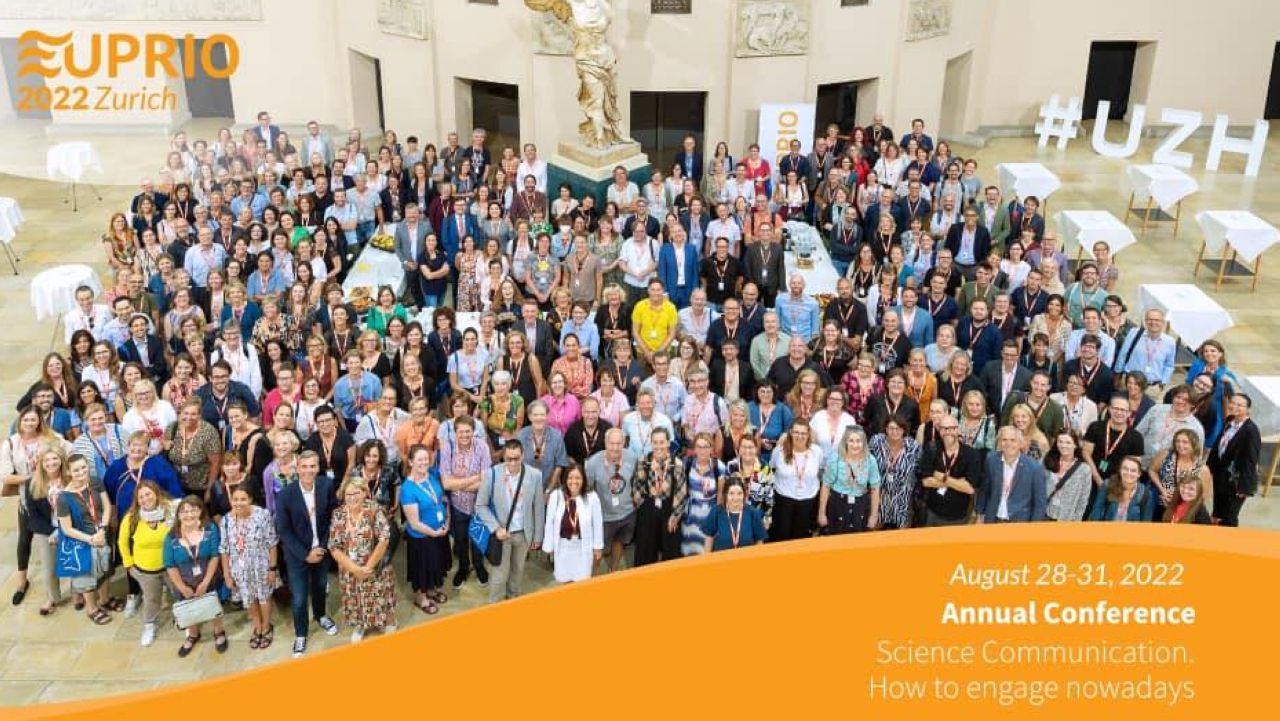
Zurich is more than the Swiss city of chocolate and banking or one of the richest cities in the world: recently, it was the destination where communicators from all over Europe converged. The conference central theme of the annual conference was “Science communication: how to engage nowadays”.