

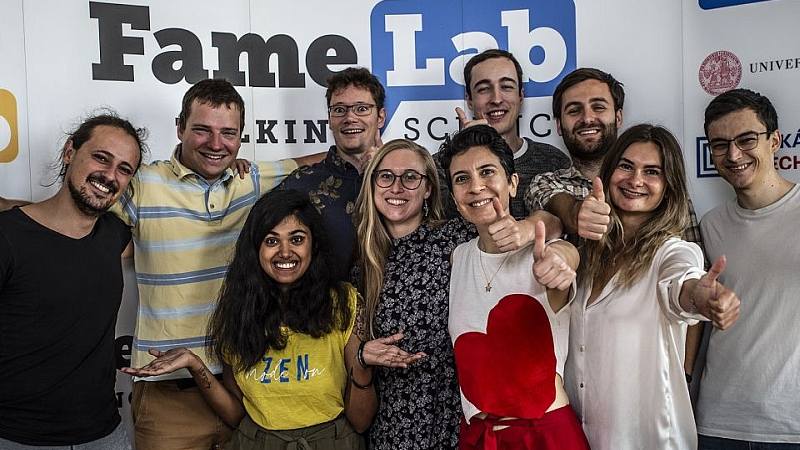
Final FameLab training took place over the weekend, where particiupants got tips on how to improve their performances or how to better communicate science. The final evening will take place on 30 September at the new Didaktikon Education Centre at the Kampus Hybernská multifunctional space.
Articles by Pavla Hubálková

Pavla Hubálková
Articles by Pavla Hubálková
16 June 2022
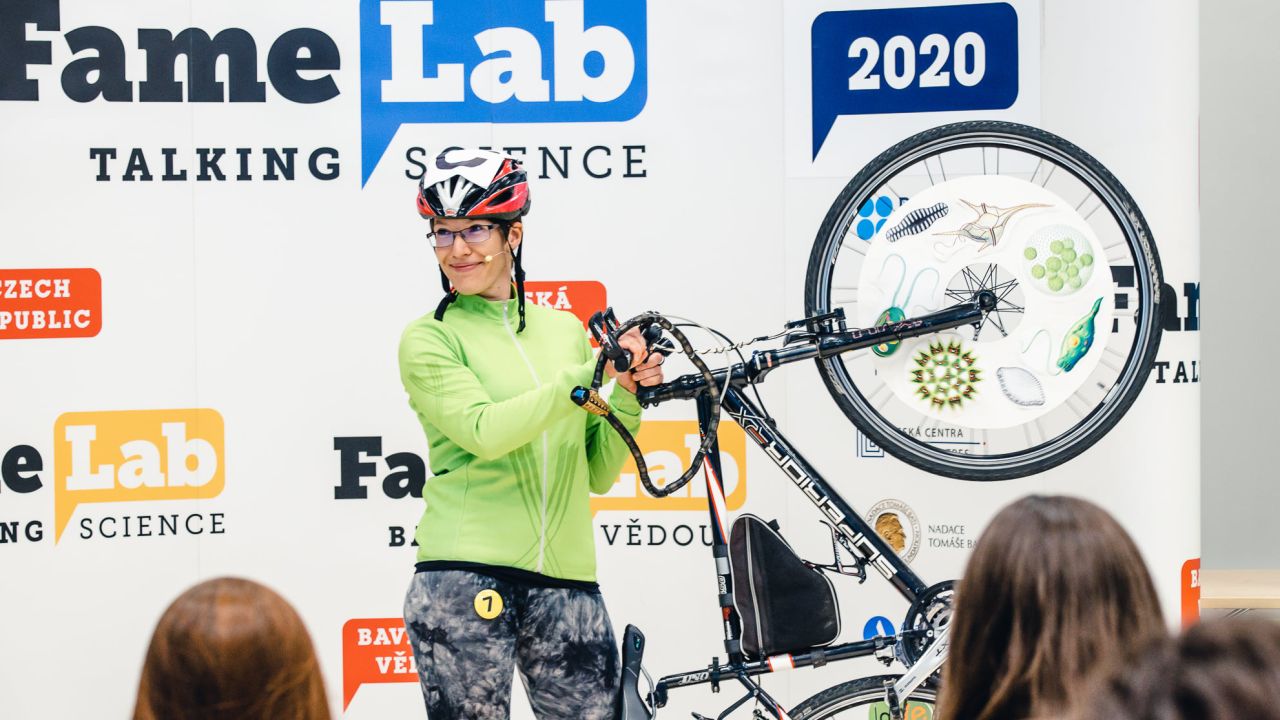
Talking about science for three minutes can be "life changing" and open up new job opportunities, provide contacts and improve presentations. That's according to former winners of the FameLab competition, which is open to humanities majors for the first time this year. Applications are open until 17 July.
01 June 2022
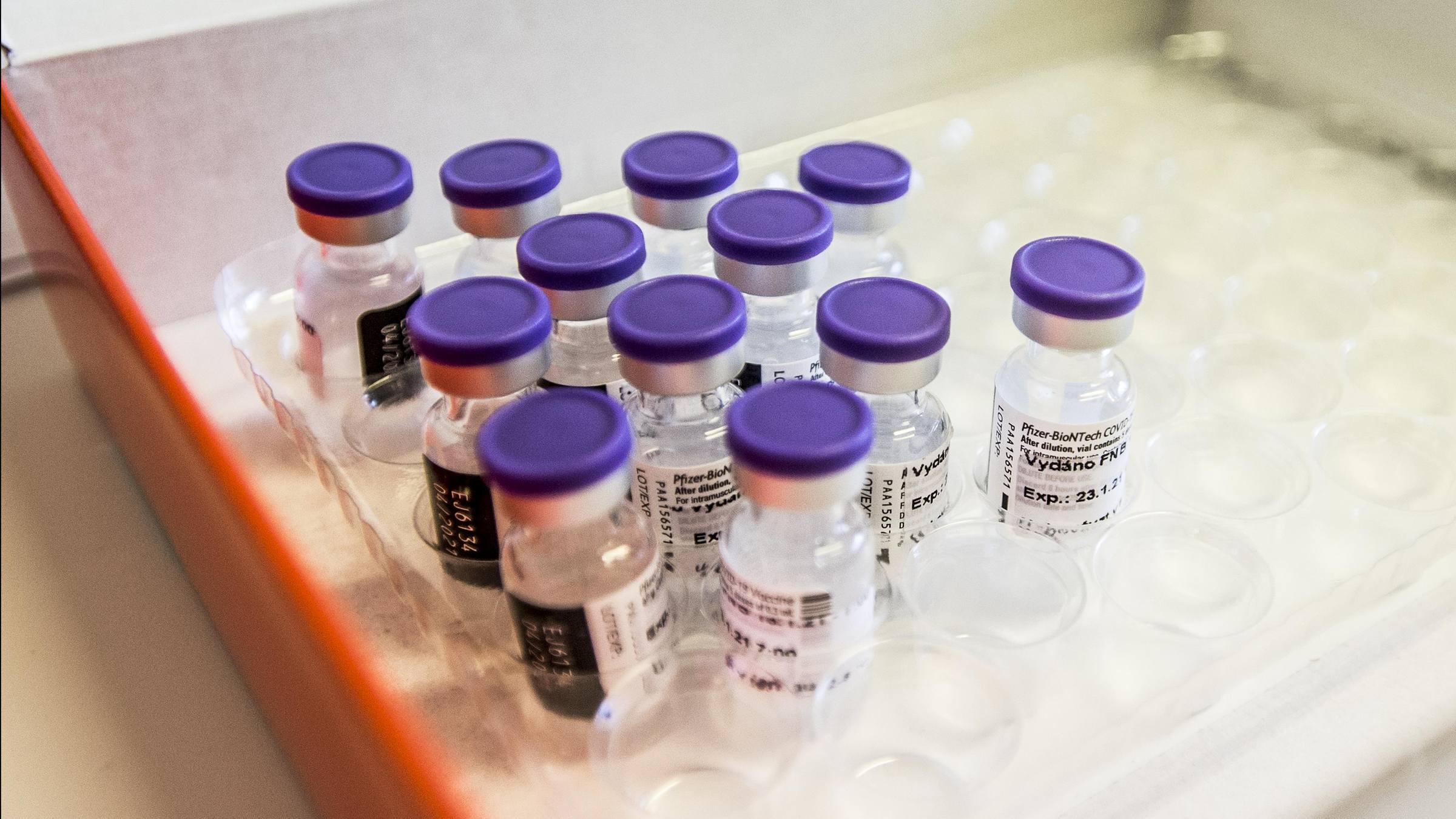
"Many think that only about half of medical doctors believe in vaccines against Covid-19. In fact, it's 90 percent! Communicating this is a simple way of increasing vaccination rates," summarize Michal Bauer and Julie Chytilová, co-authors of a new study in Nature.
30 March 2022
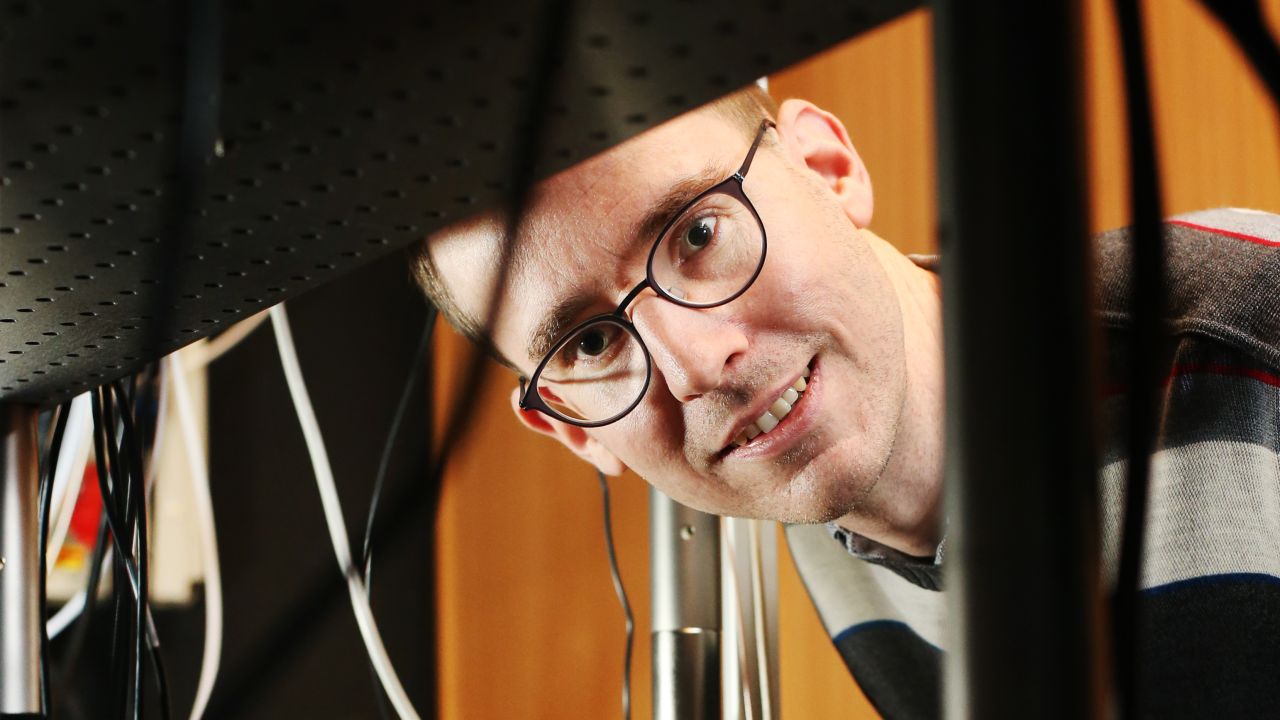
The physicist Tim Verhagen comes from the Netherlands but has been working in the Czech Republic for eight years, currently at the Faculty of Mathematics and Physics. He has just received a prestigious ERC Starting Grant for his research into new materials – “2D-sandwiches”.
30 March 2022
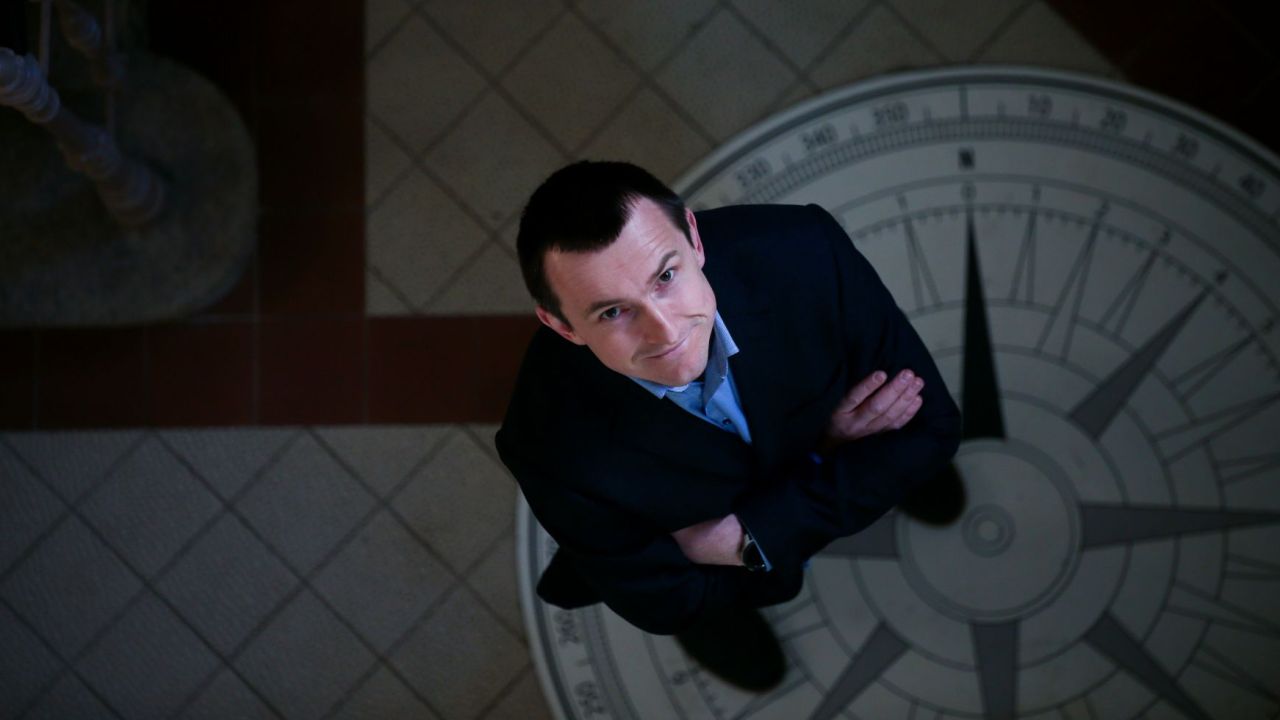
Martin Kozák from the Faculty of Mathematics and Physics has been awarded a prestigious ERC Starting Grant. It will go towards research of new electron microscopy techniques that will allow capturing the motion of electrons in matter.
11 October 2021
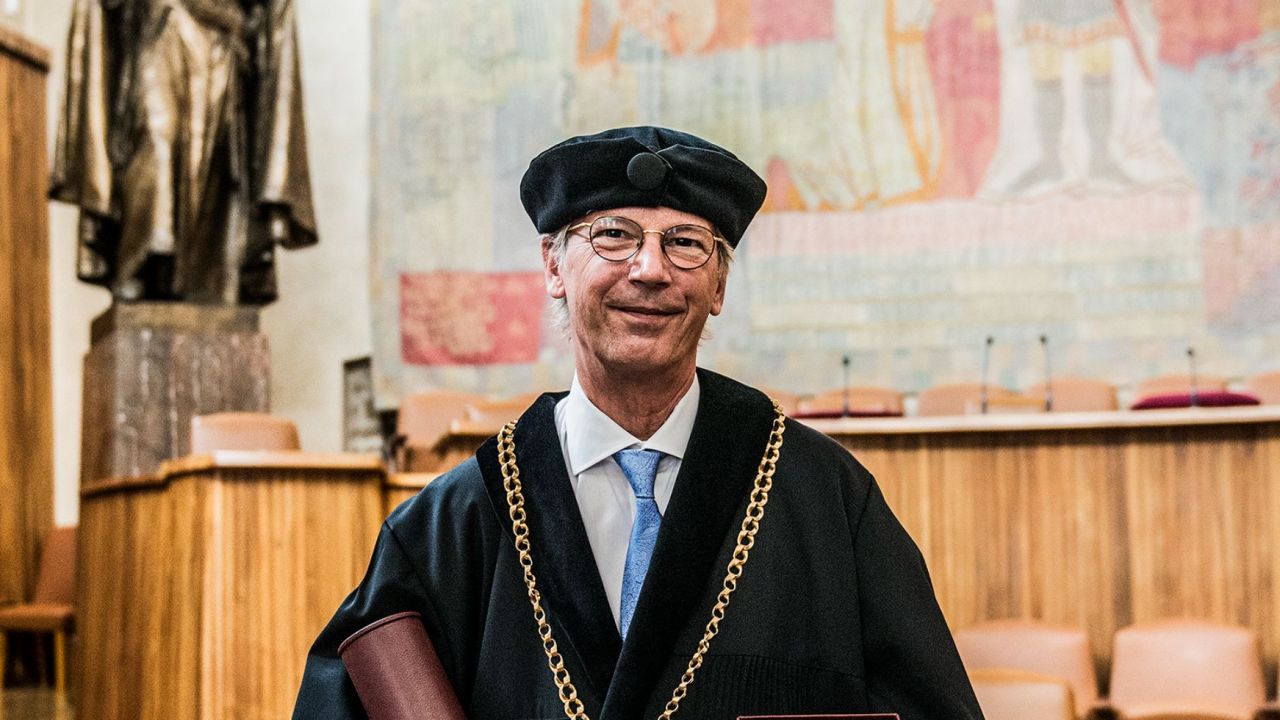
"I have always been attracted to science from a medical point of view. The choice of virology was a combination of relevance to human health and the technical possibilities of that time," says Professor Hans-Georg Kraeusslich, explaining why he became a virologist. Professor Kraeusslich was recently honoured by Charles University.
10 September 2020
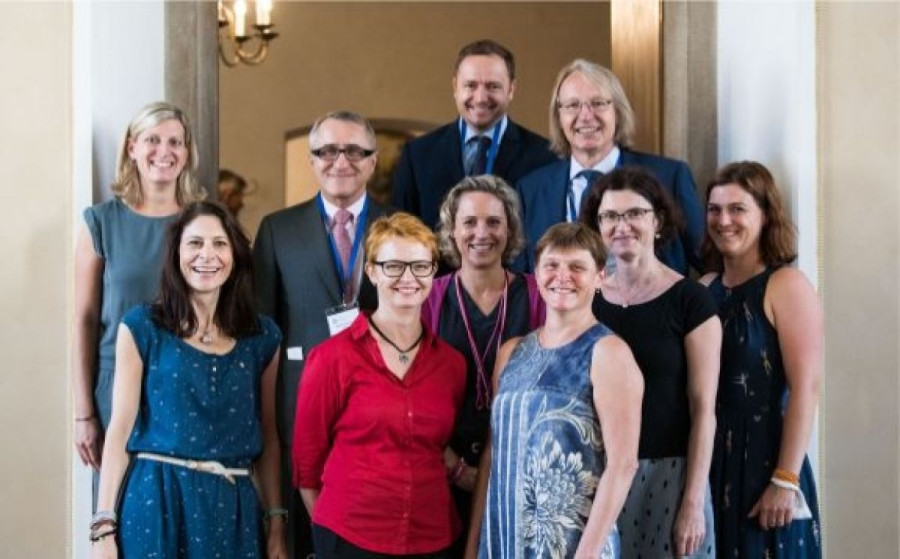
For 30 years Professor Stanislav Kmoch has devoted himself to the research of rare diseases; during the coronavirus pandemic, his laboratory was able to apply significant know-how in the development of new diagnostic kits for the detection of Covid-19.
12 May 2020
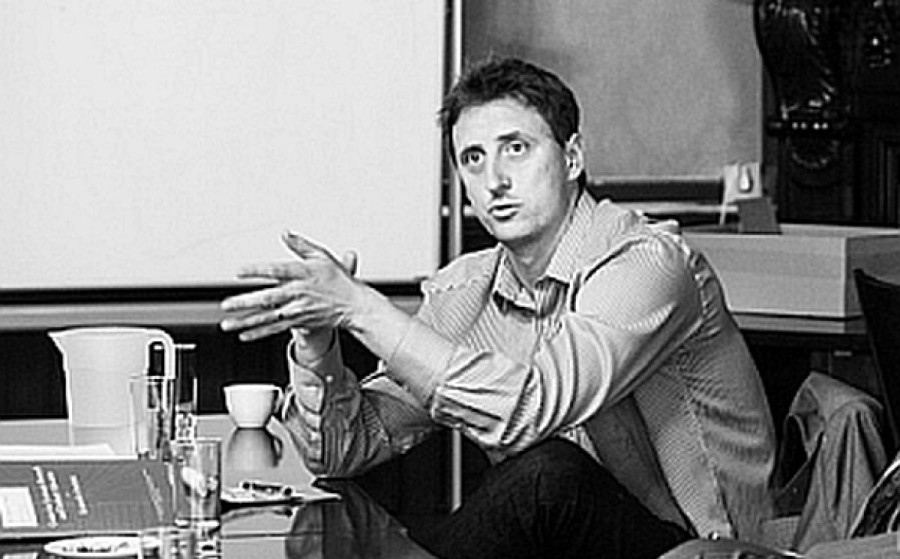
A team of scientists from the Institute for Democracy & Economic Analysis (IDEA) has offered its expertise to try and curb the negative economic impact of coronavirus pandemic.