FORUM 75 3/2026
Pro čtenáře FORUM nabízíme k prolistování kompletní archiv čísel ve formátu PDF. Těšíme se na Vaše podněty pro další témata našeho časopisu.
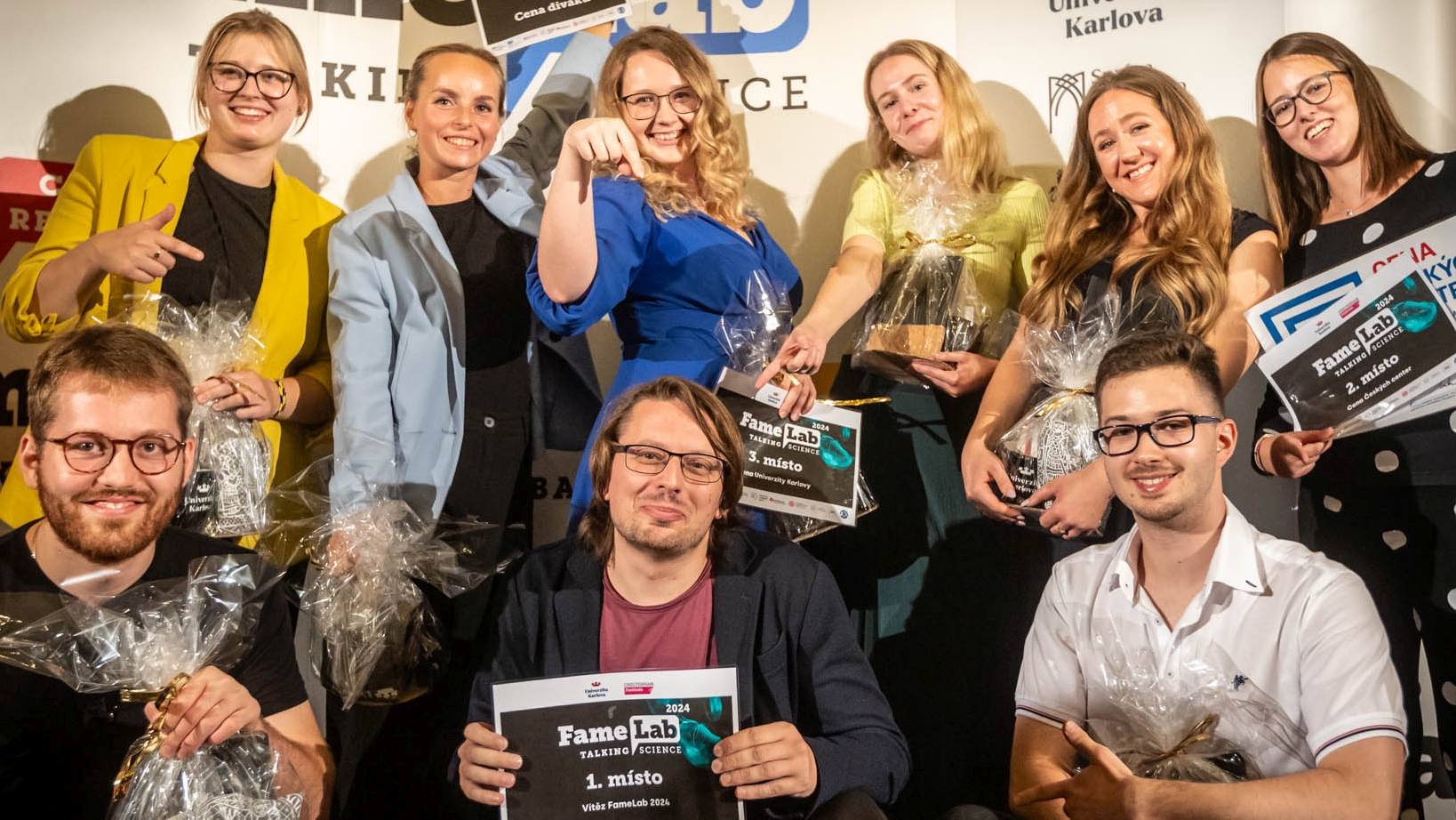
Nine finalists provided unique insights into the fascinating world of natural sciences—that was the FameLab 2024 final in a nutshell. The culmination of the national competition, held under the patronage of the British Embassy in Prague.
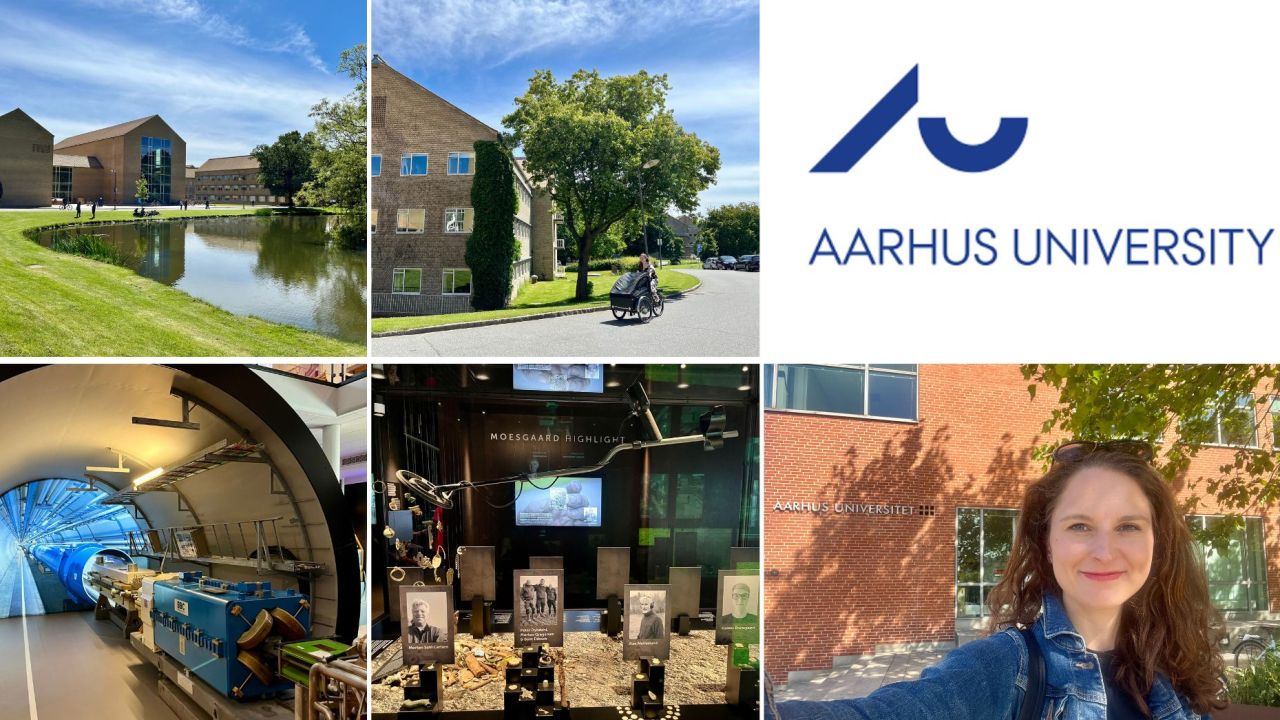
Aarhus University is the second largest and second oldest university in Denmark, located in the country's second largest city. The university stands out for its strong international focus.
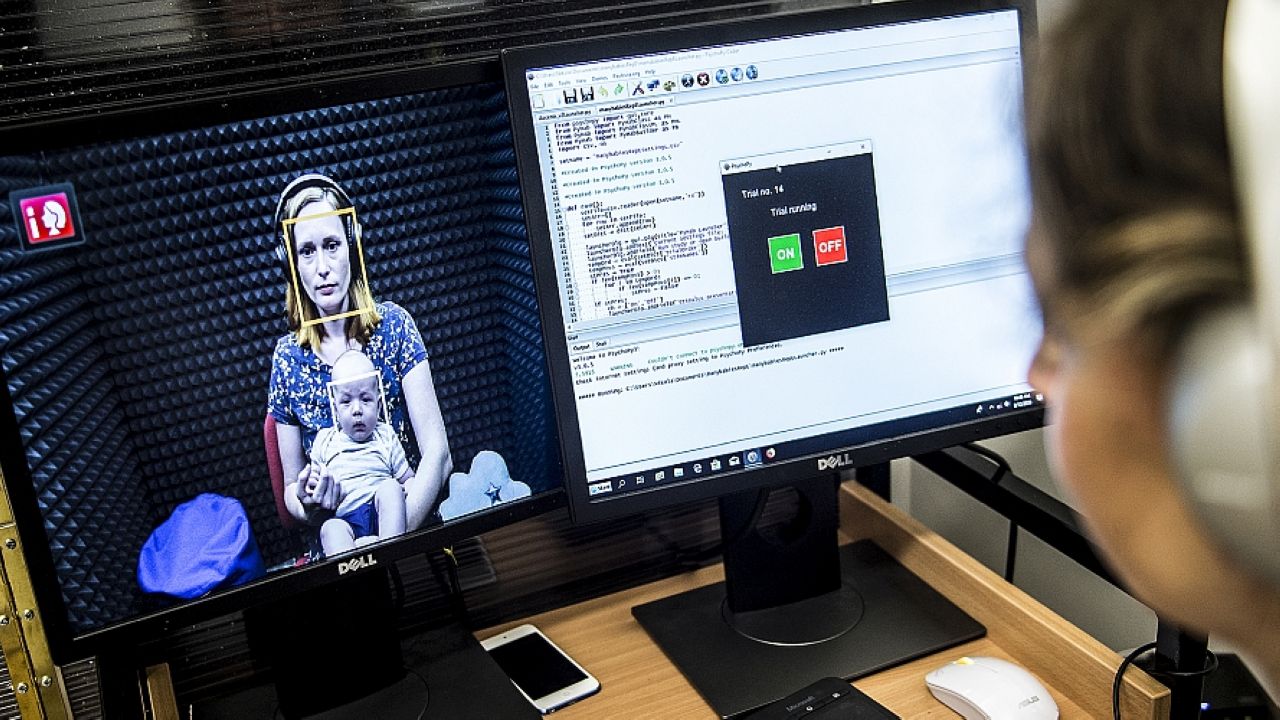
Charles University recently outlined the scope of a major research project. Beyond security: The role of conflict in building resilience will bring together studies by numerous participants, across disciplines, to examine the impact of crises.
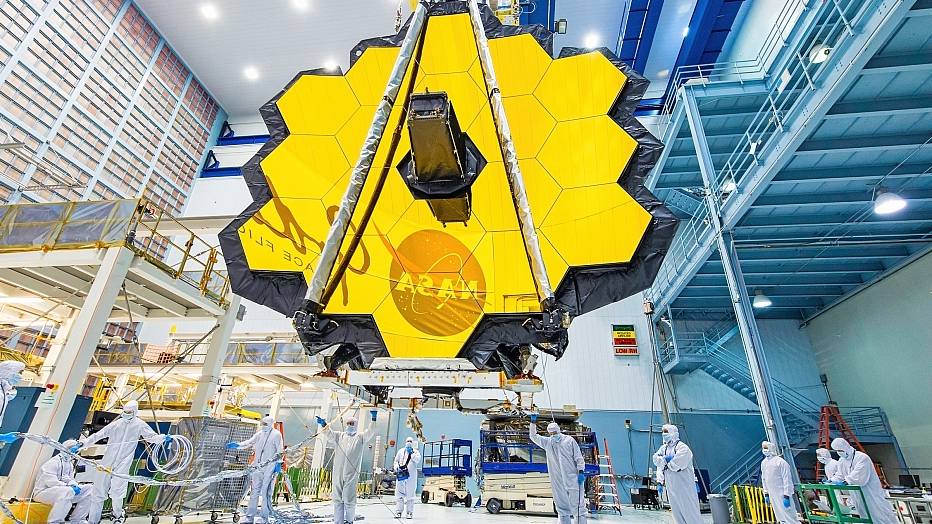
Forum magazine last year continued to provide extensive coverage about the goings-on at Charles University – profiling inspiring personalities and interviewing both established and up-and-coming researchers, academics, innovators, and artists.
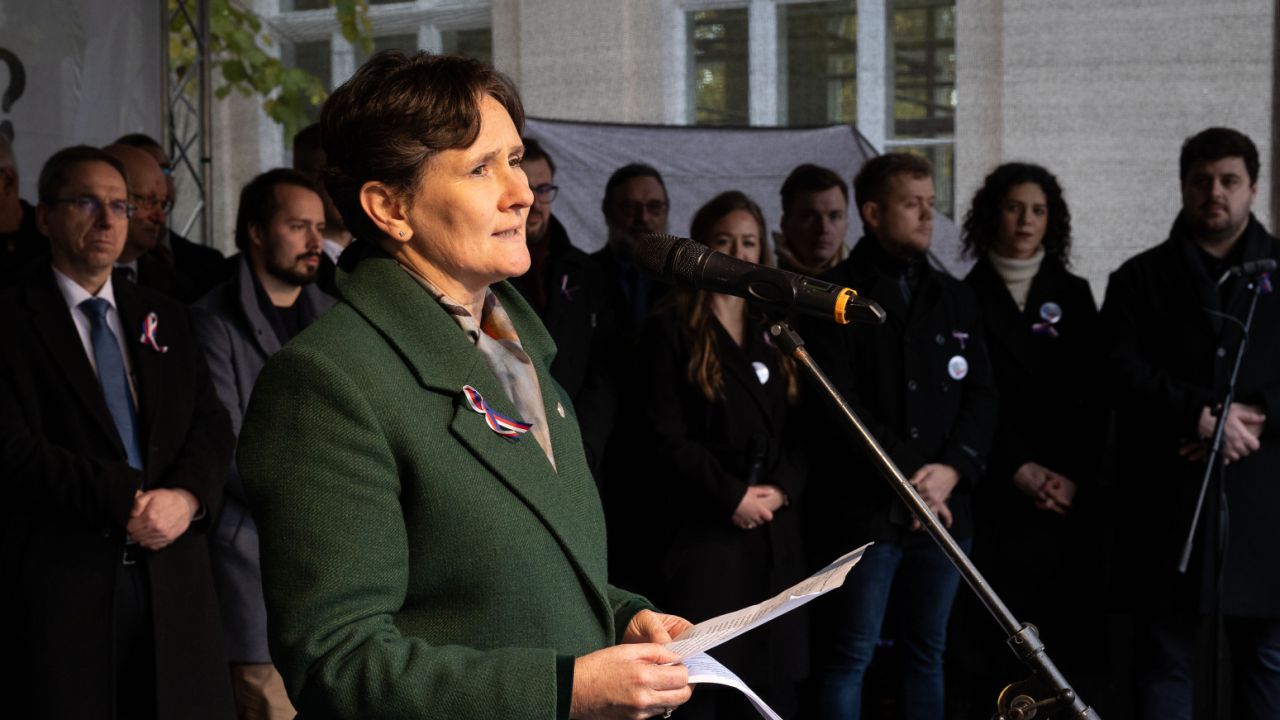
"Excellence and success breeds more success. The key to success is to attract truly high quality students and staff. It's great to have great facilities, but in the end it's all about people," says Irene Tracey, Vice-Chancellor of Oxford University.
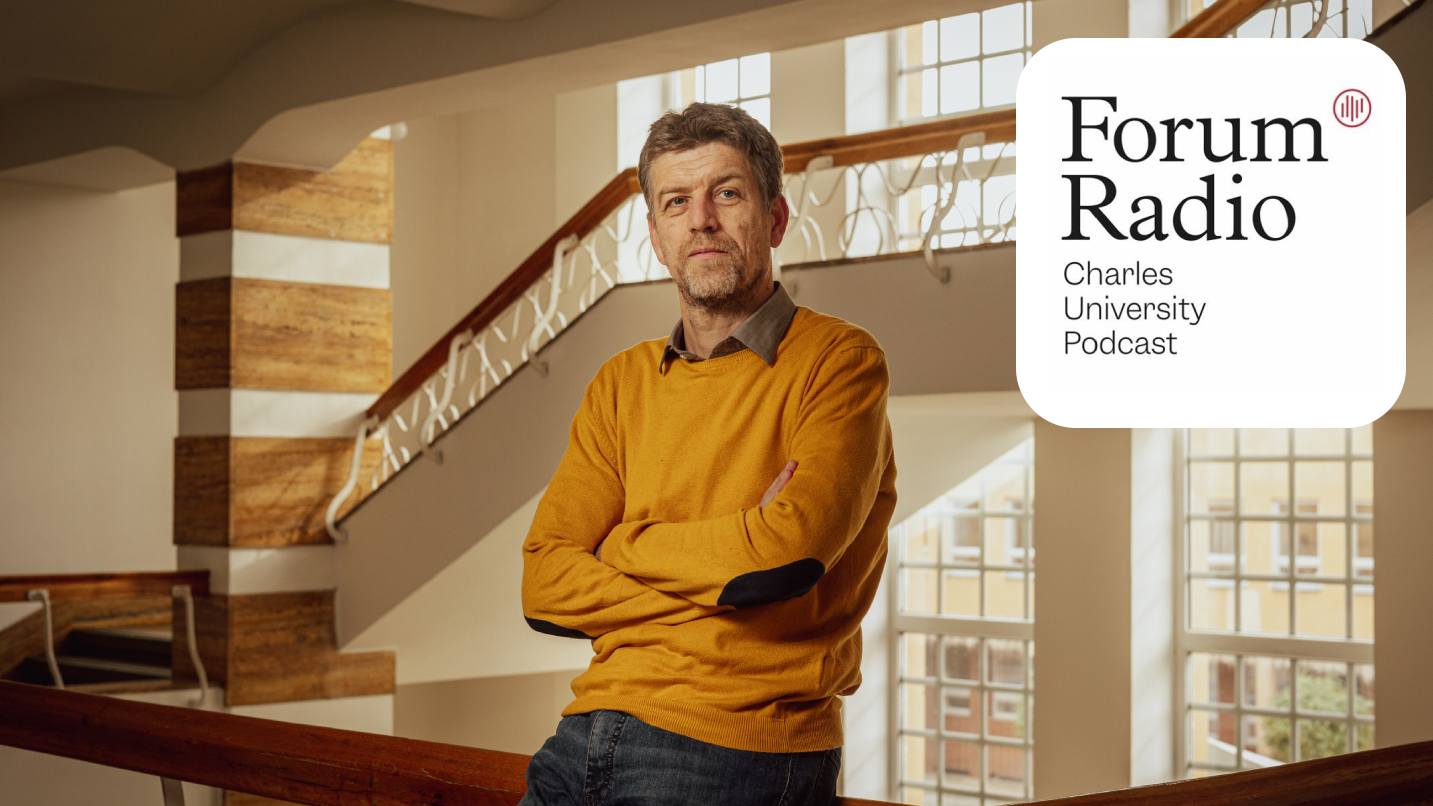
In today’s podcast we delve into the complexities of managing a prestigious institution like Charles University. My guest is Aleš Vlk, an expert in higher education policy, science policy a vice-dean at the Faculty of Physical Education and Sport.
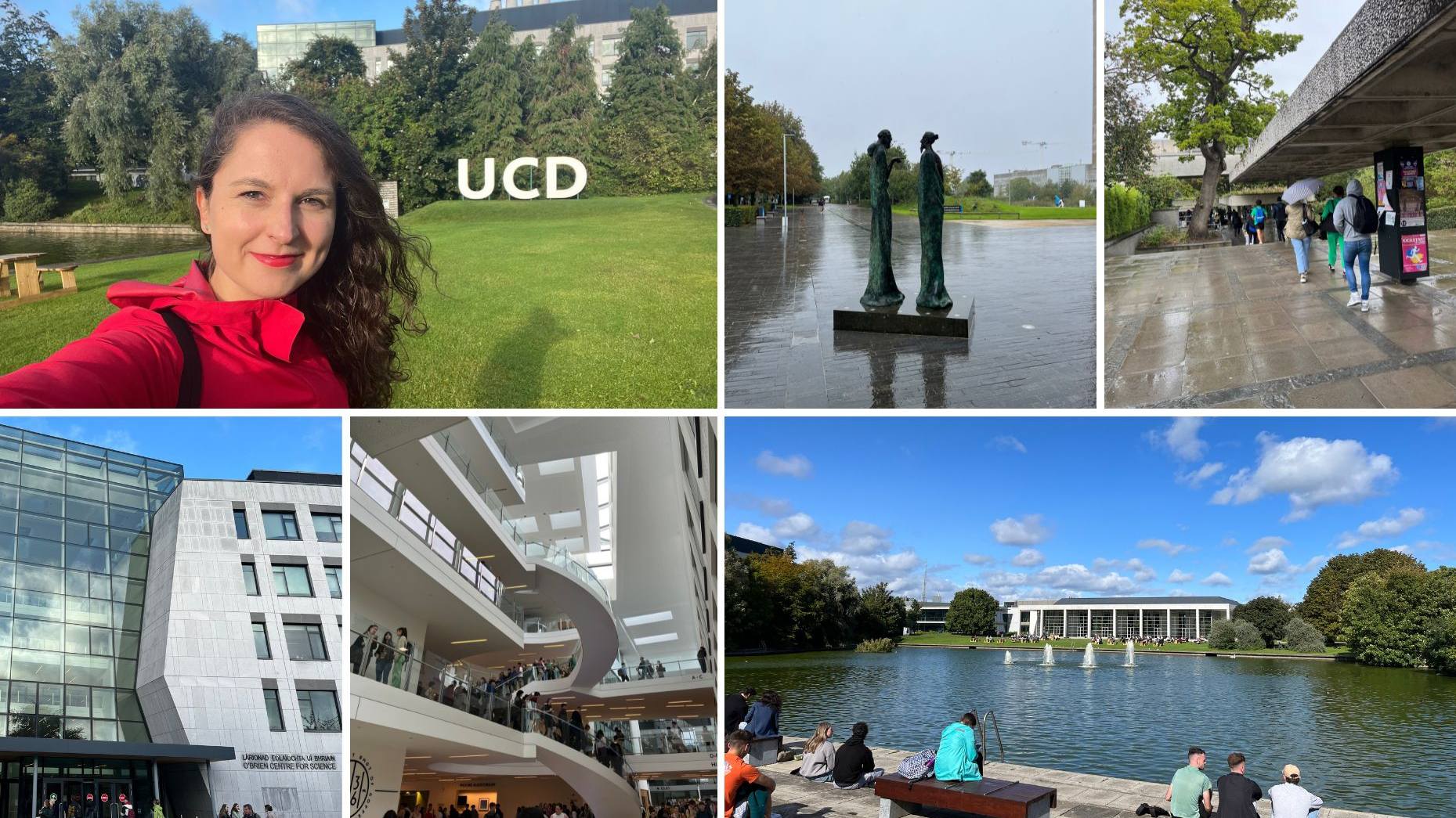
Having a publication in Nature or talking about your research on TV is not enough! What matters is the real societal impact, they emphasise at University College Dublin. Pavla Hubálková found out how research and science communication is approached there.
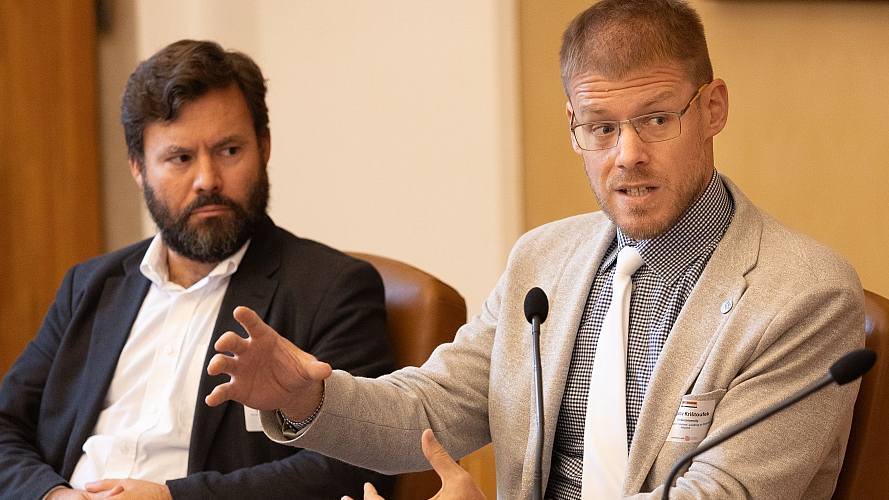
This Tuesday, Charles University hosted a much-awaited conference organised by Science|Business and the Science|Business Widening initiative. The event was part of a series of debates on how to transform the Widening Programme.
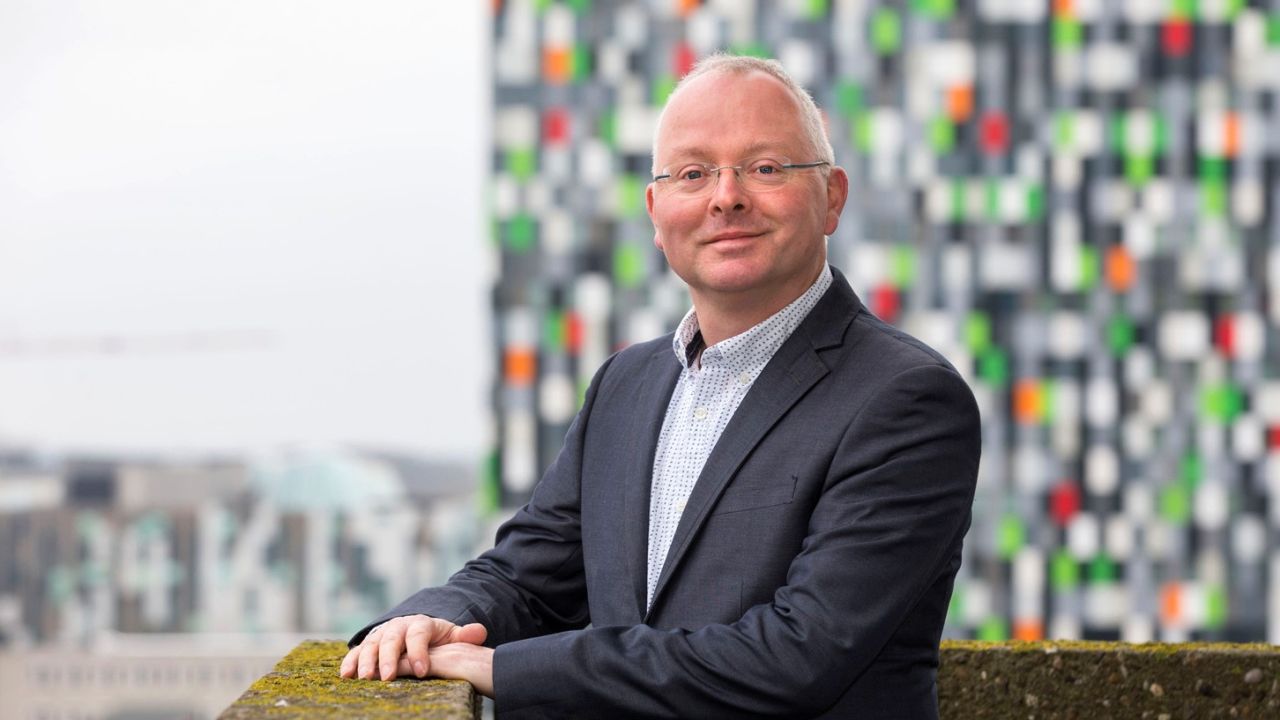
“Be a sponge – keep absorbing information from a broad perspective,” says Professor Albert Heck from Utrecht University. Heck is internationally recognised as one of the top pioneers in the use of mass spectrometry for large-scale protein research.
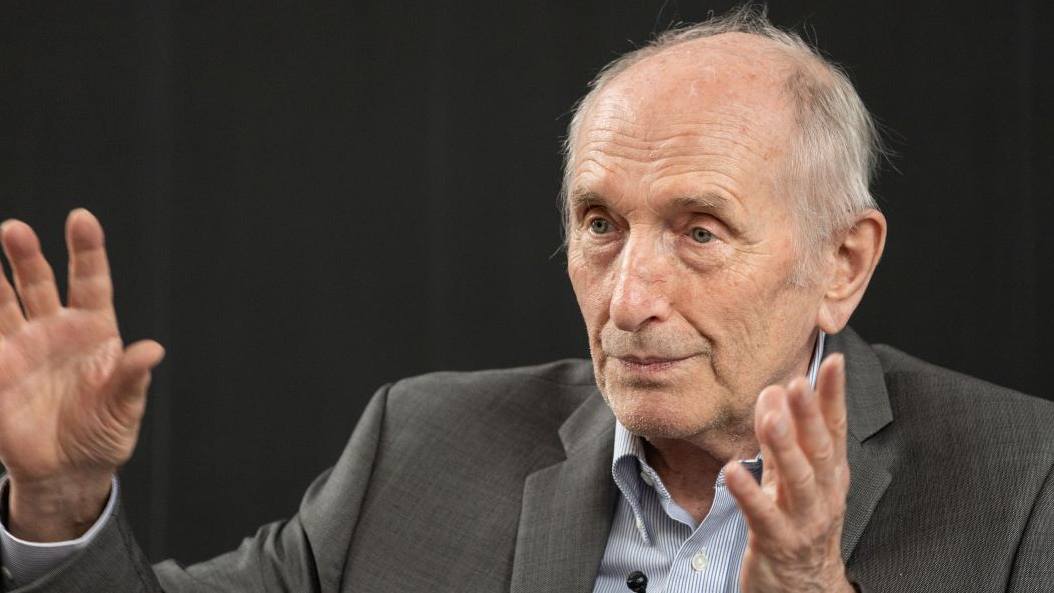
Václav Smil is a world-famous author, science communicator and graduate of the Faculty of Science of Charles University. This week he made a special appearance at his alma mater and the Czech Geographical Society. Attendees gathered at a crowded auditorium.
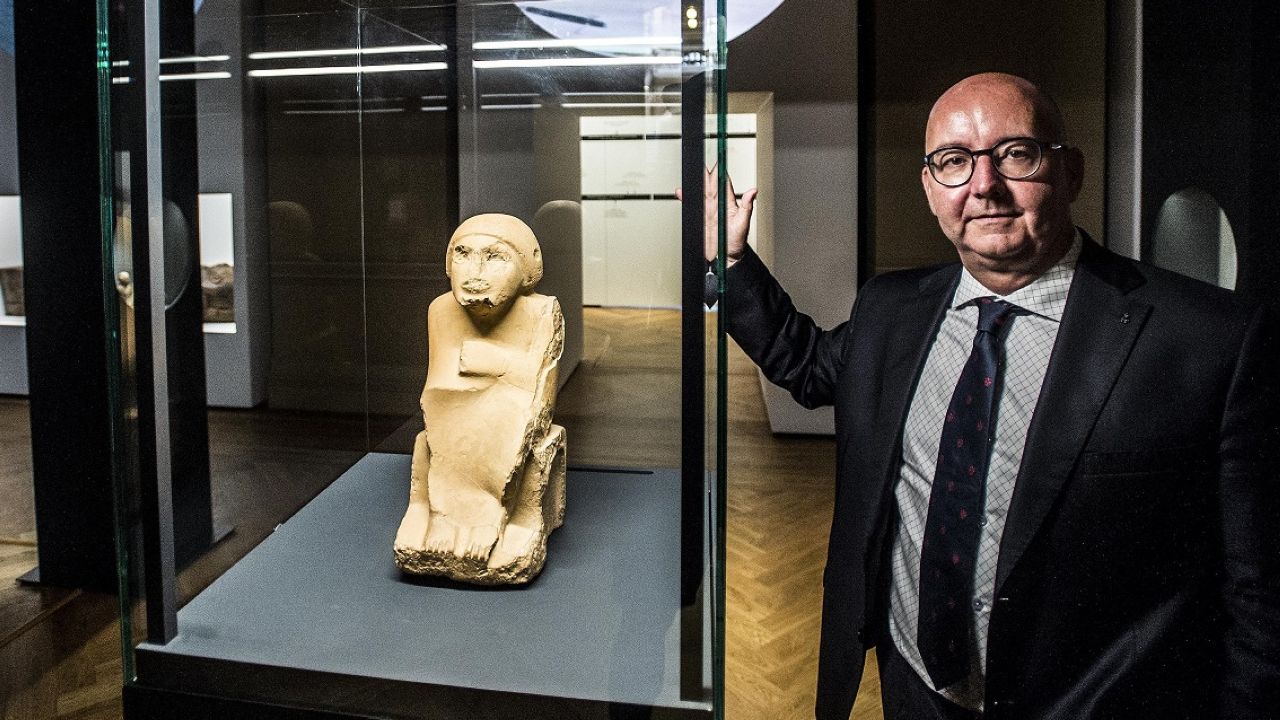
Miroslav Bárta from the Czech Institute of Egyptology at CU has received great international recognition, invited this year to join the American Academy of Arts and Sciences. The AAA&S has existed since 1780: George Washington himself was a member.
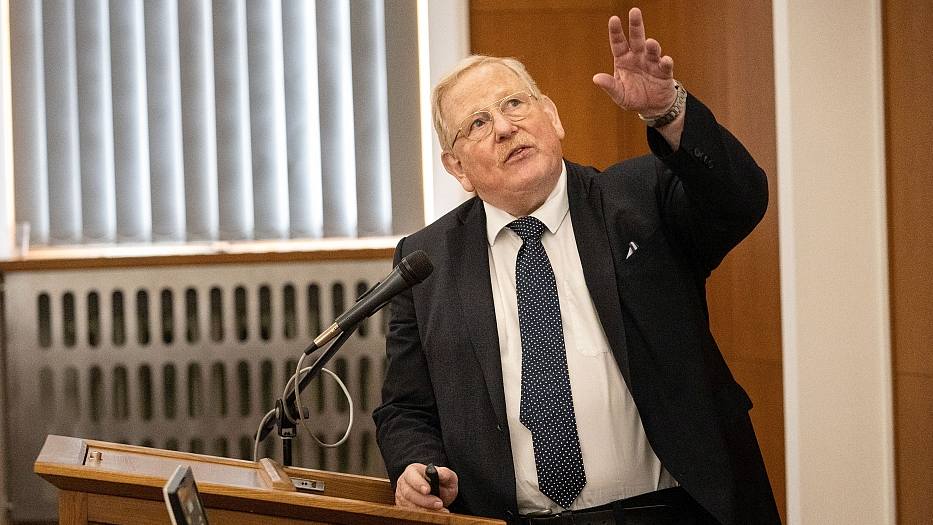
The Bolzano lecture series, organised by the Learned Society of the Czech Republic and the Faculty of Mathematics and Physics, returned to Charles University this week. The guest lecturer invited to speak this year was German-born astrophysicist Reinhard Genzel, co-recipient of the Nobel Prize in Physics in 2020.
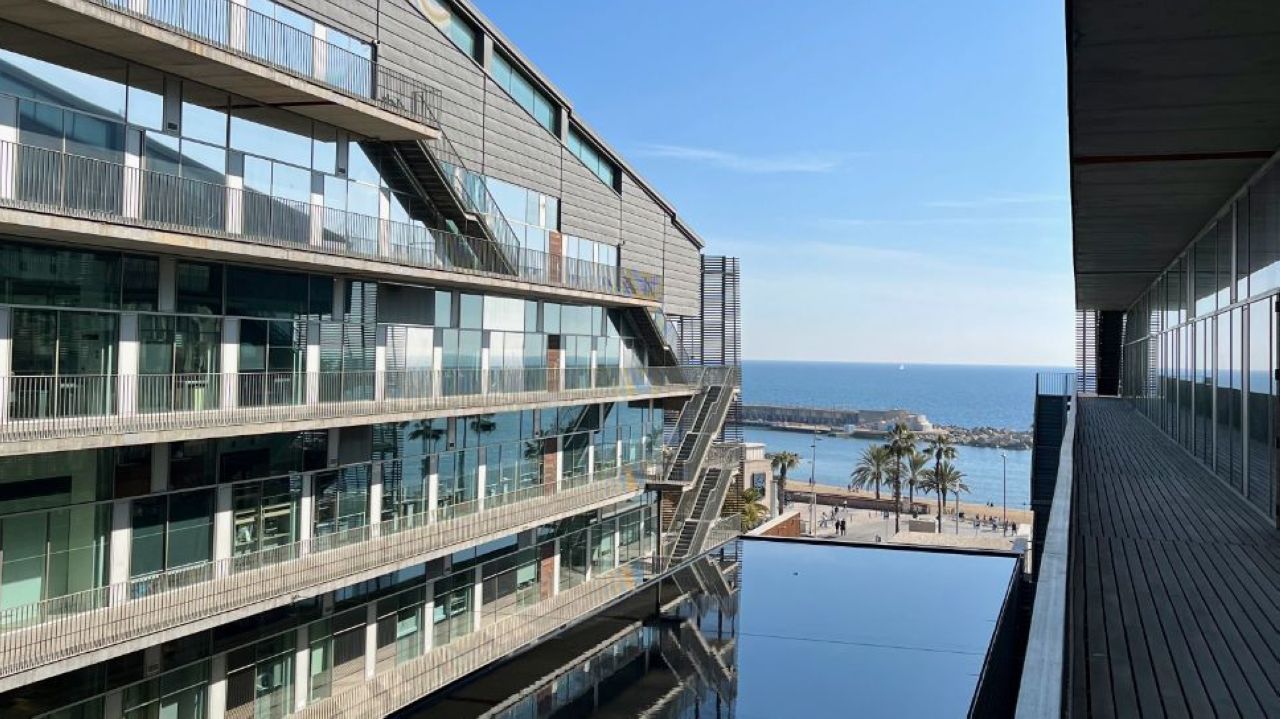
The European Molecular Biology Laboratory (EMBL) currently has 28 member countries and more than 110 independent research groups covering a wide spectrum of molecular biology in six cities in Europe. How is science communicated at EMBL?
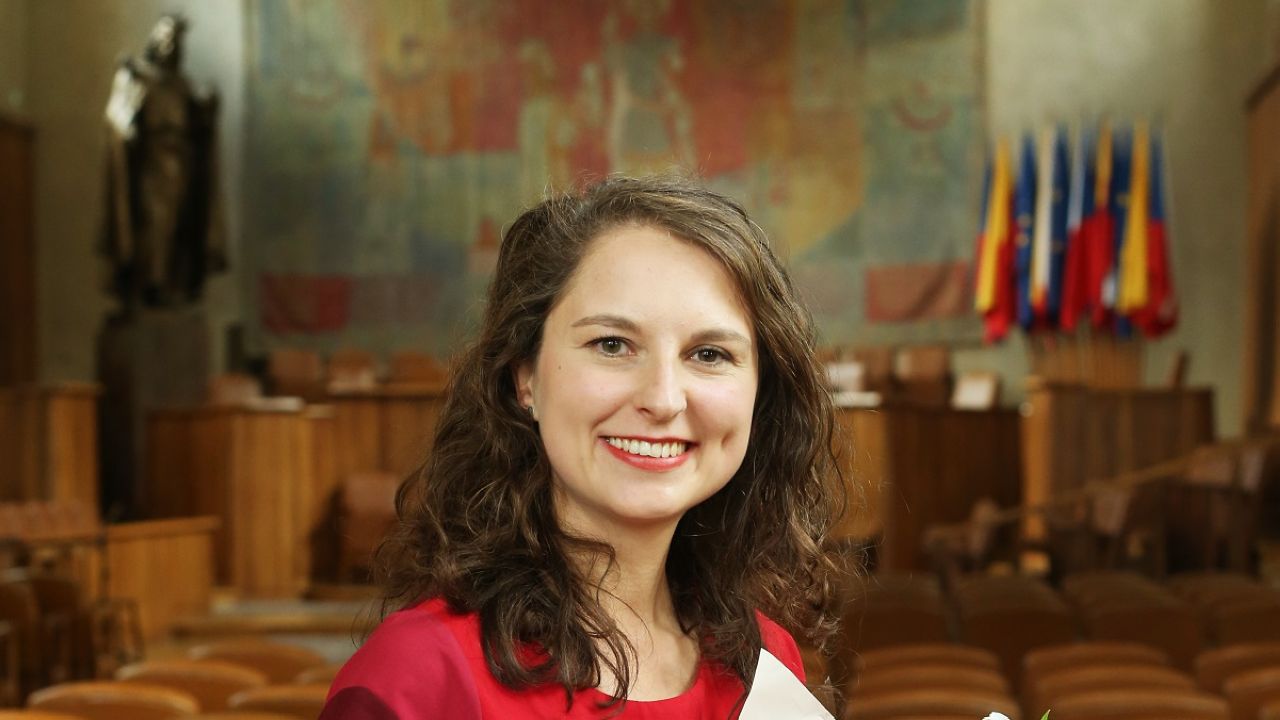
„Vědci a vědkyně nejsou na komunikaci vědy sami! Ať se nebojí ptát a ozvat se nám, rádi jim pomůžeme či poradíme,“ říká Pavla Hubálková, naše vědecká redaktorka, jež byla za svůj výzkum a disertaci na 3. LF UK oceněna Cenou Dimitrise N. Chorafase.
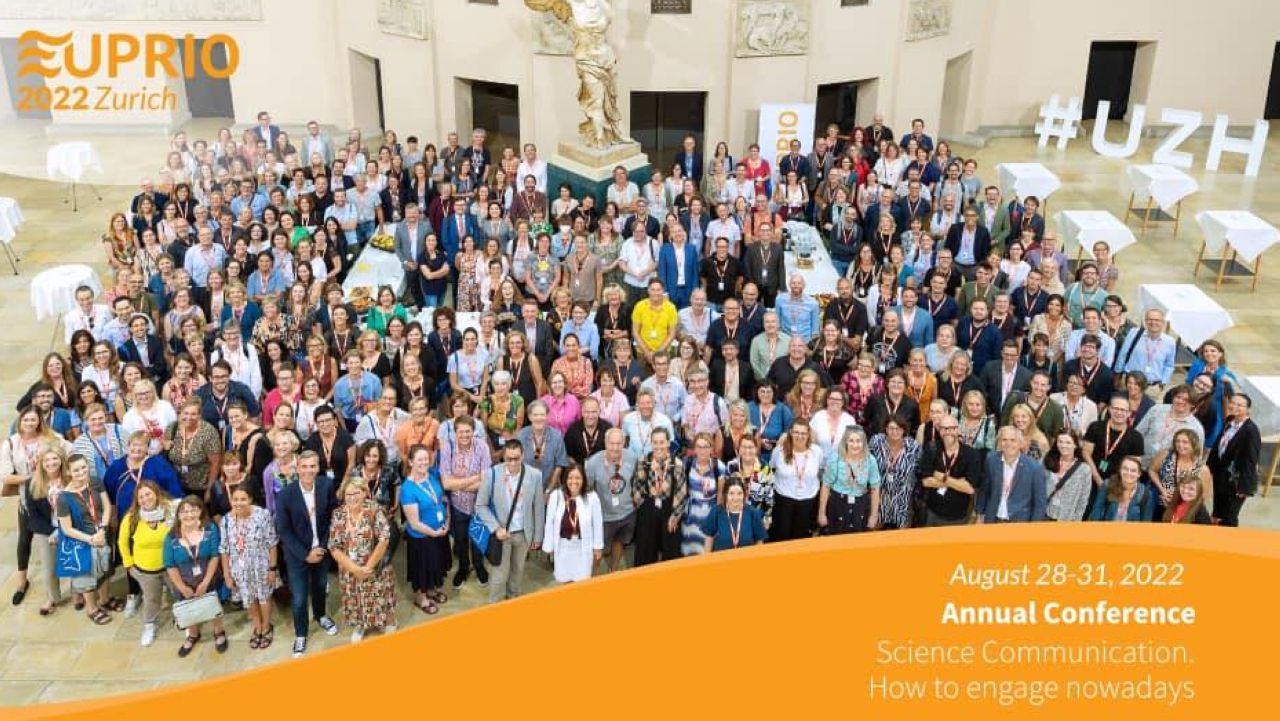
Zurich is more than the Swiss city of chocolate and banking or one of the richest cities in the world: recently, it was the destination where communicators from all over Europe converged. The conference central theme of the annual conference was “Science communication: how to engage nowadays”.

September saw the opening of the Didaktikon Educational and Creative Centre at Kampus Hybernská, successfully fusing cooperation between Charles University and the City of Prague. Ten interdisciplinary exhibits and a number of events await visitors.
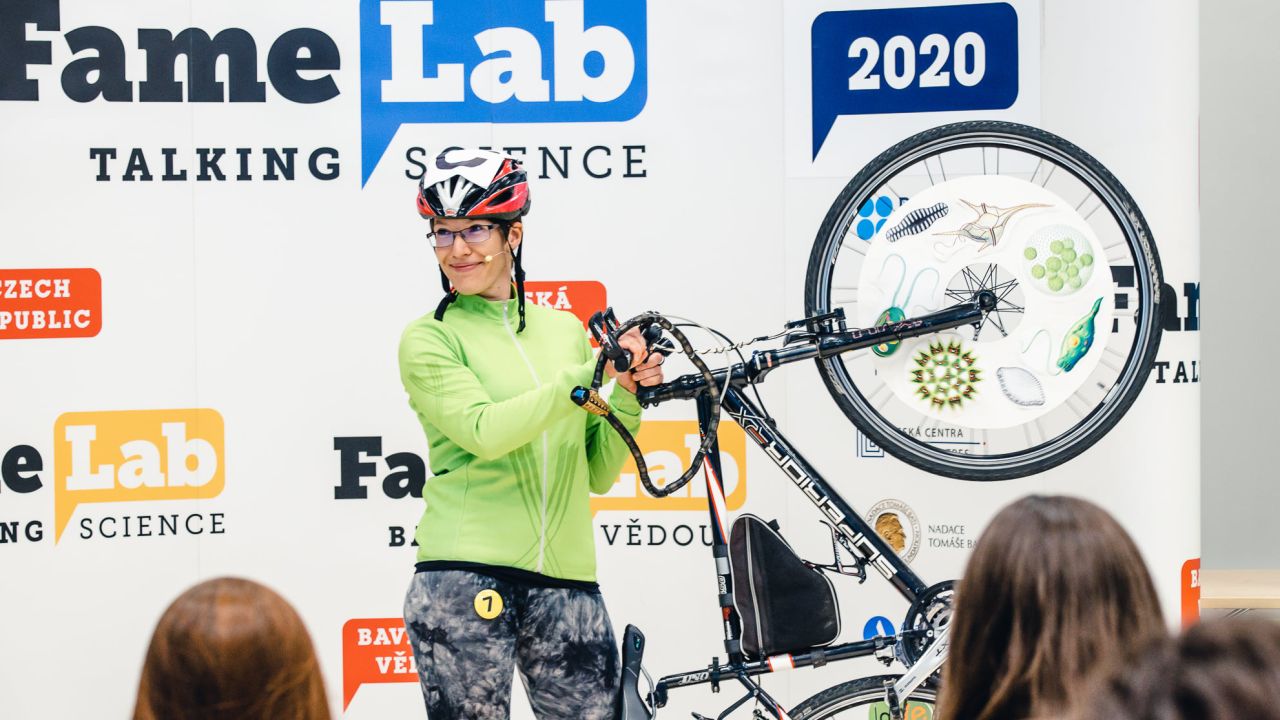
Talking about science for three minutes can be "life changing" and open up new job opportunities, provide contacts and improve presentations. That's according to former winners of the FameLab competition, which is open to humanities majors for the first time this year. Applications are open until 17 July.
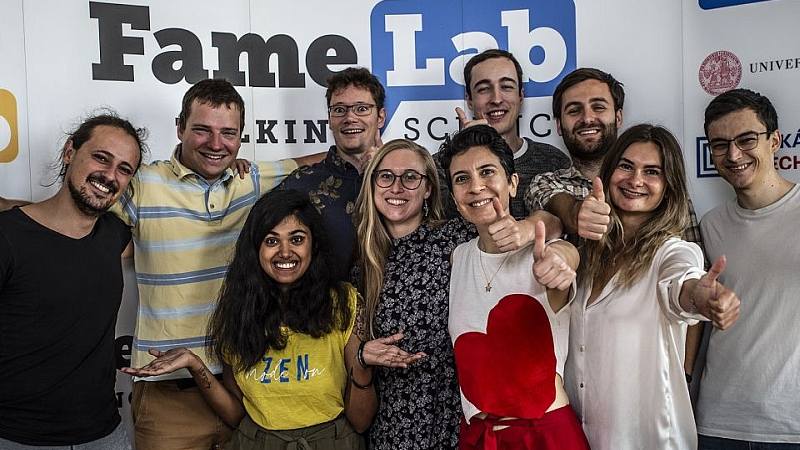
Final FameLab training took place over the weekend, where particiupants got tips on how to improve their performances or how to better communicate science. The final evening will take place on 30 September at the new Didaktikon Education Centre at the Kampus Hybernská multifunctional space.
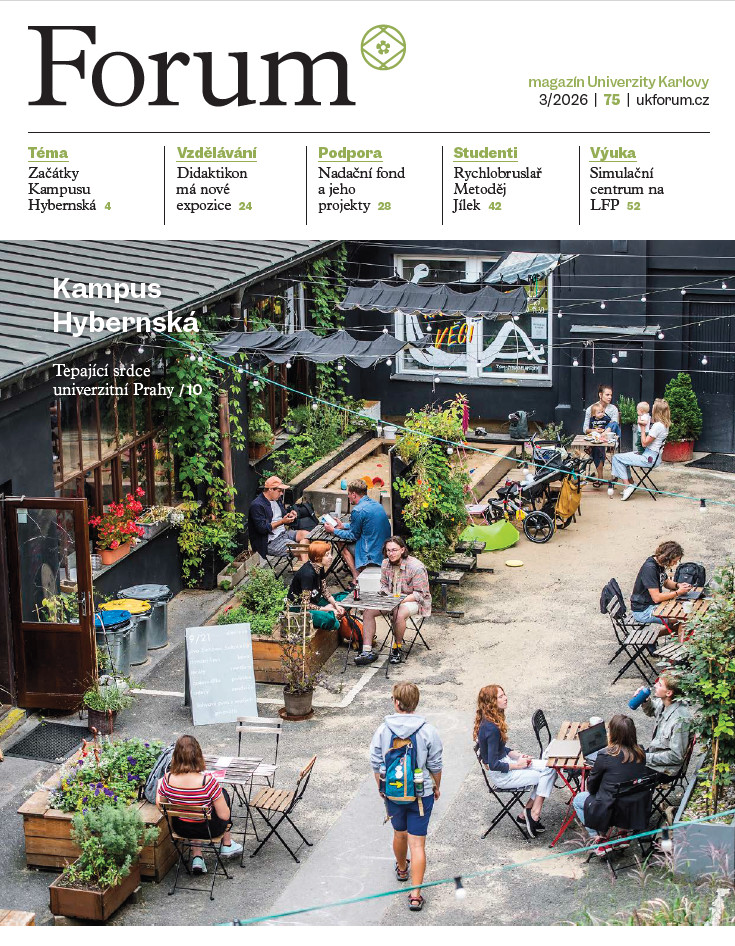
Pro čtenáře FORUM nabízíme k prolistování kompletní archiv čísel ve formátu PDF. Těšíme se na Vaše podněty pro další témata našeho časopisu.
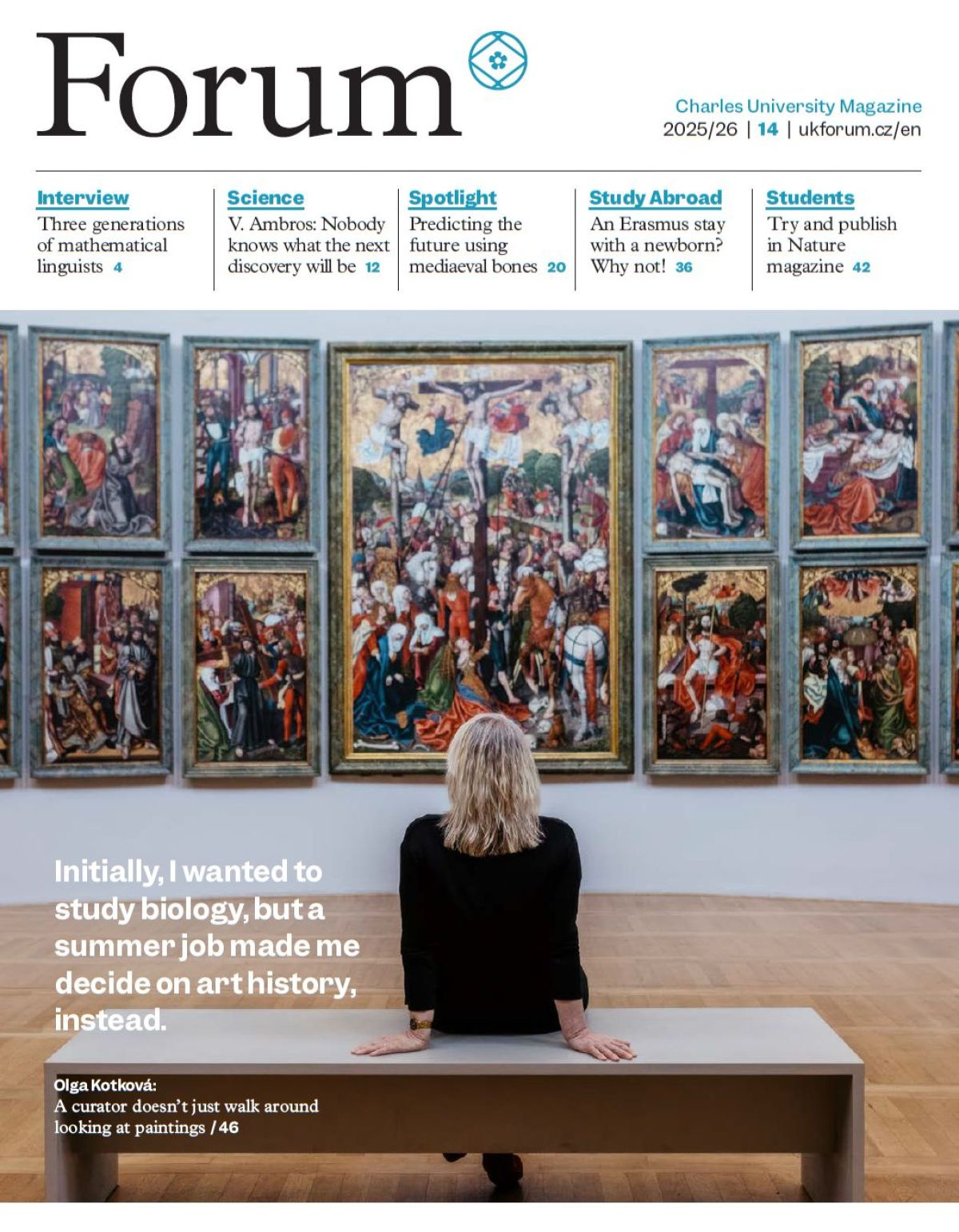
Readers of FORUM EN can read the latest issue or older ones in our complete online archive.