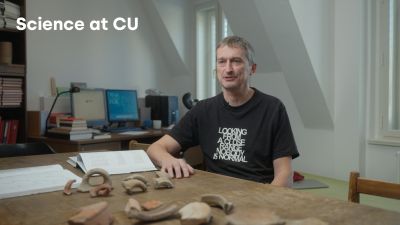


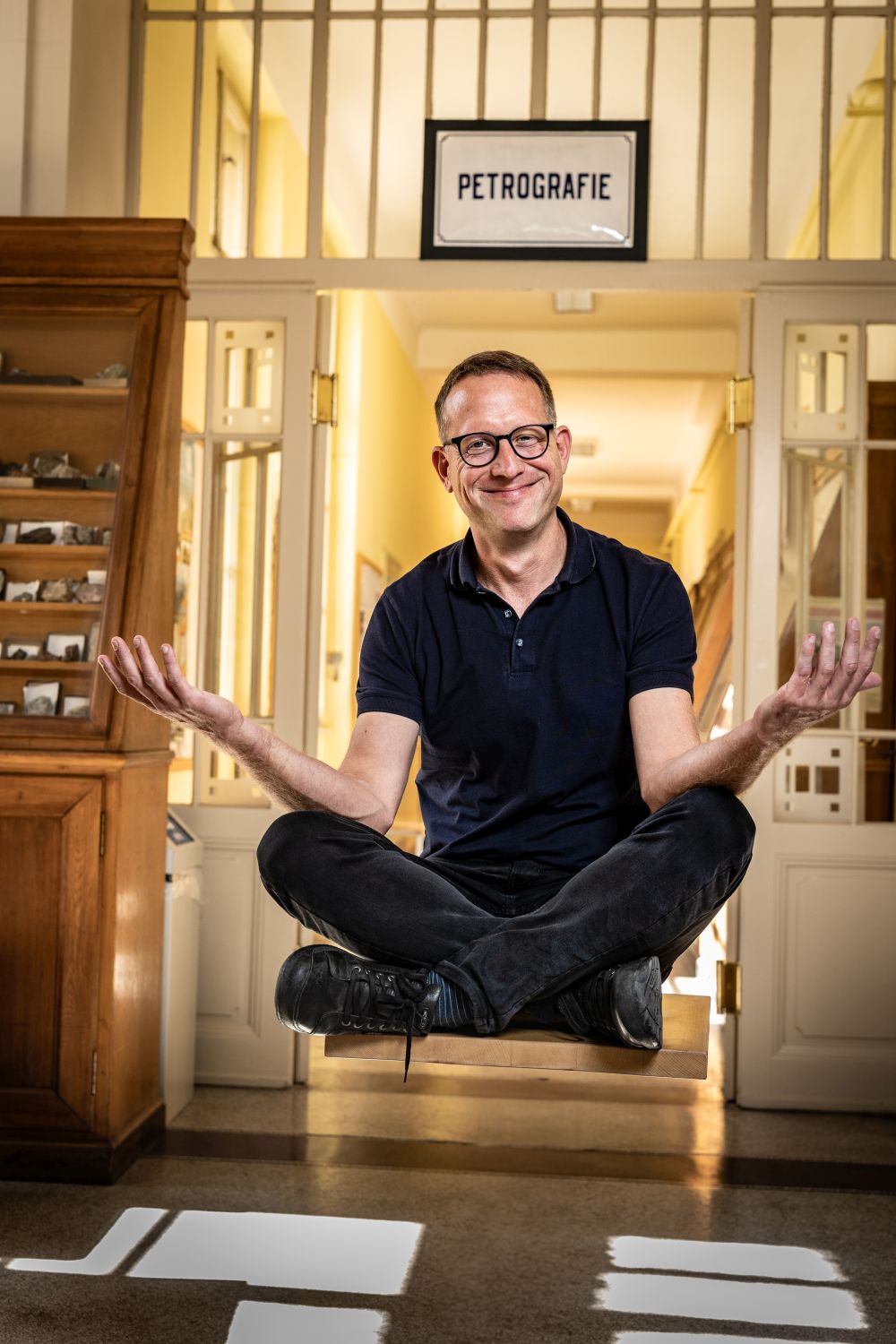
Kryštof Verner and his team from the Faculty of Science at Charles University and the Czech Geological Survey have been conducting field research in Ethiopia for more than ten years. Although his domain is geological and hydrogeological mapping, he knows that the problems of Ethiopia, which has long been teetering on the brink of poverty and war, must be viewed comprehensively. Not only is he involved in educating local experts, but this year he is also helping to connect other faculties of Charles University with this region.
Reports of the tragedy that struck the Gofa region in southern Ethiopia last July made it even into Czech news coverage. Following heavy rains, landslides buried nearly four hundred people there. It is precisely this kind of natural disaster that can be prevented by applying the results of development projects led by Kryštof Verner in Ethiopia.
He has been travelling to the Horn of Africa for twelve years now. In addition to geological and hydrogeological mapping of Ethiopia, he is involved in training local experts. He first visited the country in 2013, when he was offered the opportunity to collaborate with colleagues from the Ethiopian Geological Survey and Addis Ababa University to compile a geological map of central Afar.
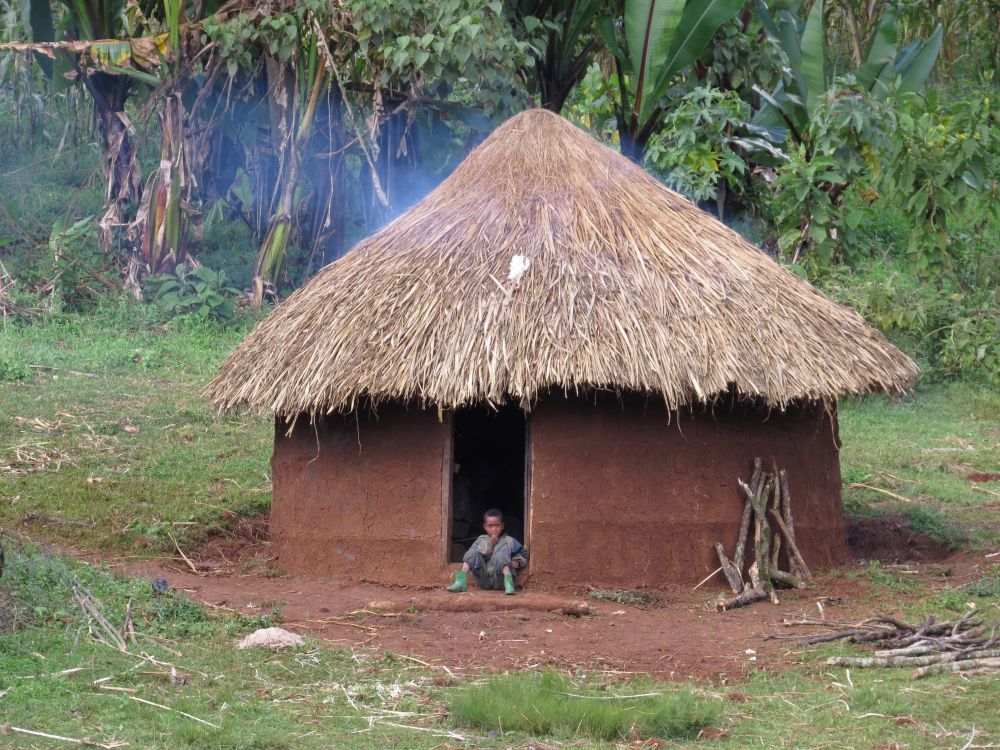
“I had previously participated in field research in the North American Cordillera in the U.S. and Europe, but I had no experience with the African continent. I initially agreed enthusiastically to the offer to go to Ethiopia, but as the departure date approached, I began to feel slightly apprehensive. Ethiopian colleagues picked me up at the airport, loaded me into a car, and we set off for Afar. It was a completely different world. On the way, we stopped for lunch at a local straw hut, where I used a headlamp to see my food and fished flies out of a plastic bowl of cold spaghetti. I thought to myself, ‘and this is just the beginning’ (laughs). By the time we arrived in Afar, zigzagging between trucks without lights or working brakes, I realized that Ethiopia has an incredible charm and hides enormous potential,” recalled Kryštof Verner his first encounter with Africa.
A journey into prehistory
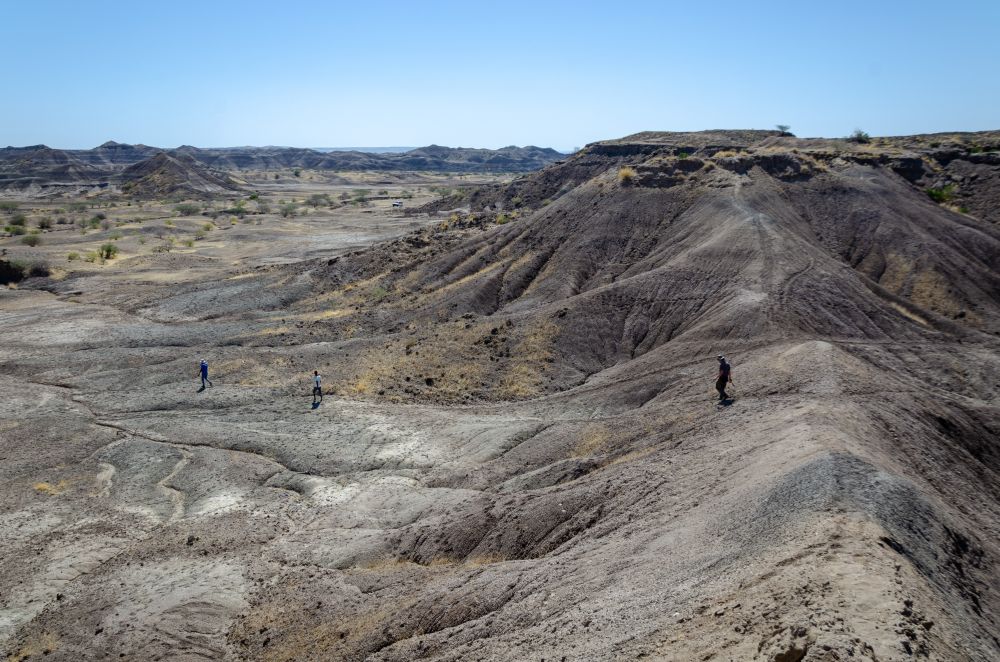
At that time, Kryštof Verner headed to the geologically unique Afar Depression in northern Ethiopia, where three tectonic plates – African, Somali, and Arabian – are drifting apart, giving rise to new oceanic crust. Active continental rifting processes over the last few million years have created a vast depression, now approximately 125 meters below the level of the Red Sea.
The Afar region is also known as the original home of Lucy, a 3.2-million-year-old hominid ancestor of humans of the species Australopithecus afarensis, whose skeletal remains were found here in 1974 by American anthropologist Donald Johanson. Last year, visitors could also admire this extremely rare fossil at the National Museum in Prague, where Ethiopia loaned it as a testament to its exceptional relations with the Czech Republic. It was precisely the specific geological and natural conditions of the Afar Depression that attracted scientists to this area decades ago, where they made fundamental discoveries that shed new light on human evolution. Thanks to his fieldwork, Kryštof Verner was also able to visit the palaeontological site in Hadar.
Ethiopia’s growth
Afar serves as an example of how fundamentally Ethiopia has changed over the past decade. “When I arrived in Semera (the capital of the Afar region – ed.) twelve years ago, it was a small, dusty town with straw houses and dusty streets. But today, it even has its own airport,” noted the scientist.
During his expeditions in Ethiopia, Kryštof Verner witnessed the economic rise and dynamic transformation of this sub-Saharan country. Infrastructure is developing, cities are being built, houses and airports are being constructed. At the same time, population growth is also booming. While Ethiopia had a population of around 85 million in 2011, today the count is at least 126.5 million. This enormous demographic surge naturally brings with it huge challenges, most notably the need for sustainable management of vital natural resources such as water and soil.
From a geological point of view, however, there are many additional issues in Ethiopia that need to be addressed. That is the focus of Kryštof Verner and his entire team, who have already undertaken 22 month-long scientific expeditions to Ethiopia over the past decade under the auspices of the Czech Geological Survey and CU SCI. The research led by Kryštof Verner in Ethiopia focuses on a comprehensive assessment of the geological and hydrogeological environment of Ethiopia, using a variety of methods ranging from traditional field research to remote sensing techniques and AI-based modelling.
Research findings are then published in prestigious international journals and made fully available to local authorities for further use in spatial planning and sustainable management of vital natural resources. Thanks to the cooperation and support of Ethiopian and Czech institutions, led by the Embassy of the Czech Republic in Ethiopia, the Czech Development Agency, and the Ethiopian Ministry of Water and Energy, his team was able to continue working in the country even during the most tense periods of the COVID-19 pandemic or the civil war in northern Ethiopia’s Tigray region between 2020 and 2022.
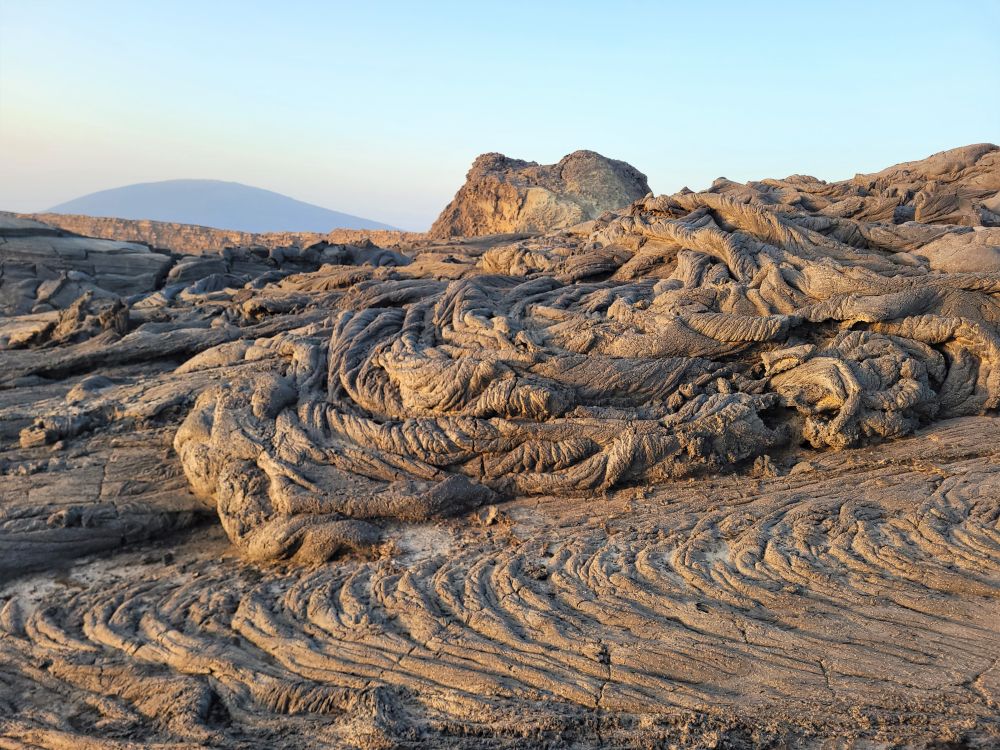
Ropey lava is the result of a recent low-viscosity lava flow (Erta Ale volcano).
A map to build on
Last year, Kryštof Verner and his team completed one of their key development projects, which was to create a geological and hydrogeological map of the entire territory of Ethiopia on a scale of 1:1,000,000. An interactive version of this map is available online to users around the world. Along with the map, a monograph entitled A Synopsis of Regional Geology and Hydrogeology of Ethiopia was published, marking the first educational material of its kind and providing a detailed summary of current knowledge about the geological and hydrogeological environment of Ethiopia. The map has been widely acclaimed both in Ethiopia and internationally.
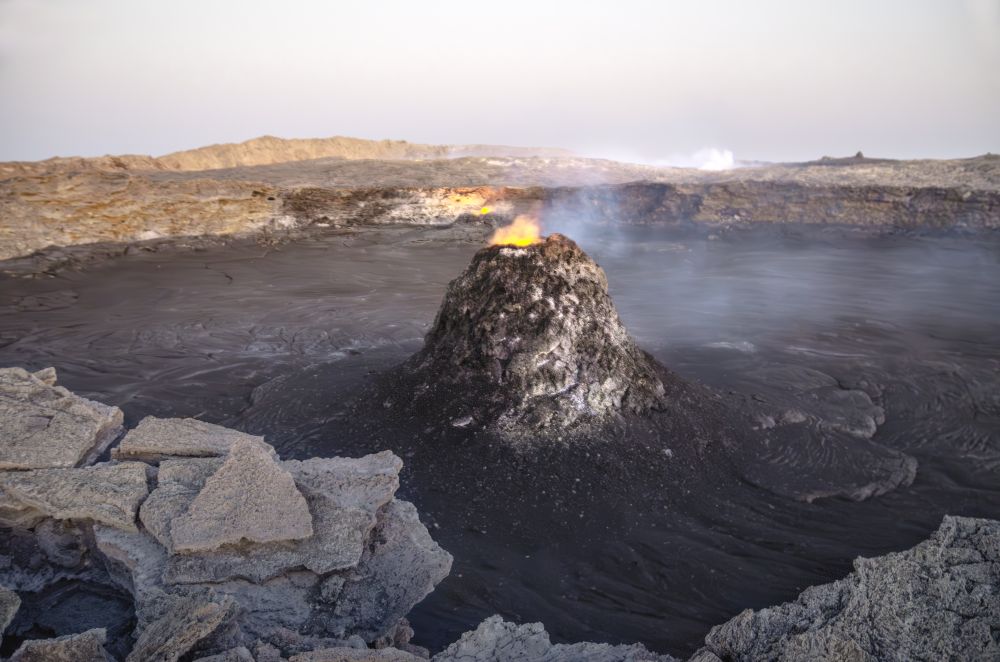
The Erta Ale volcano, located in western Afar Depression, is still active.
“I’ve been getting a lot of emails asking for more info and cooperation. This isn’t only important for the scientific community working on inanimate nature in Ethiopia, but also for the local government. A database of consistent geological information is crucial for decision-making and strategic planning when building infrastructure, using and protecting natural resources, or preventing natural disasters. In this sense, we continue to work closely with local government authorities, from local offices to federal ministries, which actively utilise this information,” said the scientist, emphasising the practical impact of the research he is conducting in Ethiopia.
Czech Republic’s reputation
The Czech Republic has long been actively involved in development aid to Ethiopia. These efforts build on the close and friendly ties between the two countries, which date back to the First Republic. Thanks to the fact that Czechia was not burdened by a colonial past and has been actively and effectively helping the country, it enjoys an exceptionally good reputation in Ethiopia. And the projects led by Kryštof Verner are helping with that. “An important part of our research activities is also educating local experts and actively sharing our experience with local university students.
Countries in sub-Saharan Africa face enormous problems in terms of insufficient capacities and inadequate levels of education. Graduates of local universities often start teaching at universities immediately after completing their master’s degrees, without having gained any experience abroad. Only a limited number of them then go on to pursue doctoral studies and scientific work. Yet in the natural sciences, it is especially important to gain knowledge and experience directly in the field so that students understand the necessary contexts. That requires an investment of time and effort. Another problem is inadequate laboratory equipment. Although these countries often have incredibly talented and motivated students, they are hitting a ceiling that is set very low,” Verner pointed out. One of the main tasks is therefore to support Ethiopia in the development of education not only in geological sciences. To date, seven master’s and doctoral students from Ethiopia have graduated or are currently studying at the Faculty of Science of Charles University. Students from Czechia, on the other hand, are involved in research activities and expeditions in Ethiopia.
Ethiopia calls
Representatives of the Faculty of Arts at Charles University travelled to Ethiopia last year to establish cooperation with local universities. “I firmly believe that interdisciplinary cooperation is highly beneficial. The natural, social sciences and humanities are interconnected. What happens in nature has a direct impact on society. Together with our colleagues from the Faculty of Arts, we would like to prepare a European project in the near future that would enable us to address issues of this nature in a comprehensive manner. An example of this would be the creation of an early warning system for risk factors in Ethiopia, both in terms of natural disasters (earthquakes or landslides) and social and health risks,” explained Kryštof Verner.
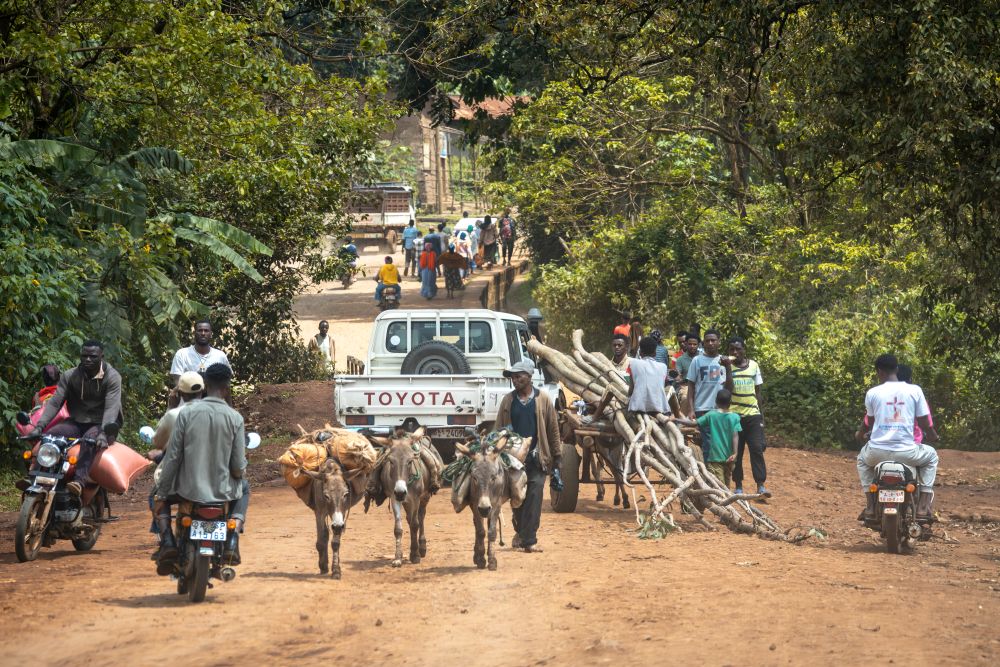
Currently, Verner is working on a project in Ethiopia focused on hydrogeological modelling using artificial intelligence tools and modern machine learning methods. “Our goal is for the Ethiopian side to incorporate all the information into its land-use development plans and local infrastructure construction. We are also working on guidelines for a basic warning system for the local population in the Gofa zone, which is very risky in terms of slope deformation,” said Professor Verner, adding that the main goal is to prevent unfortunate events similar to the one referred to in the introduction to this article.
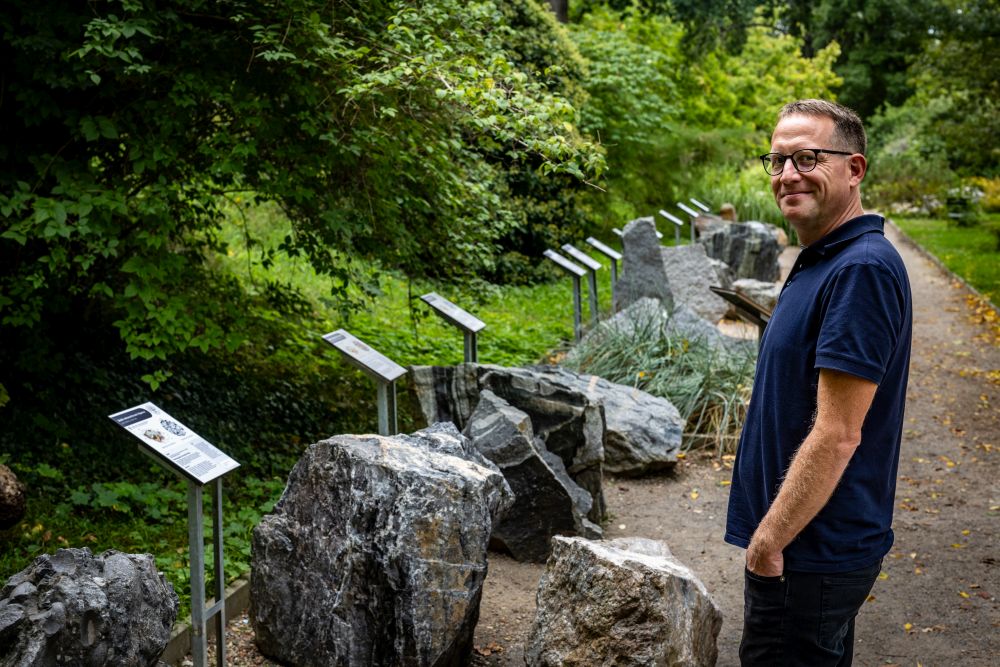
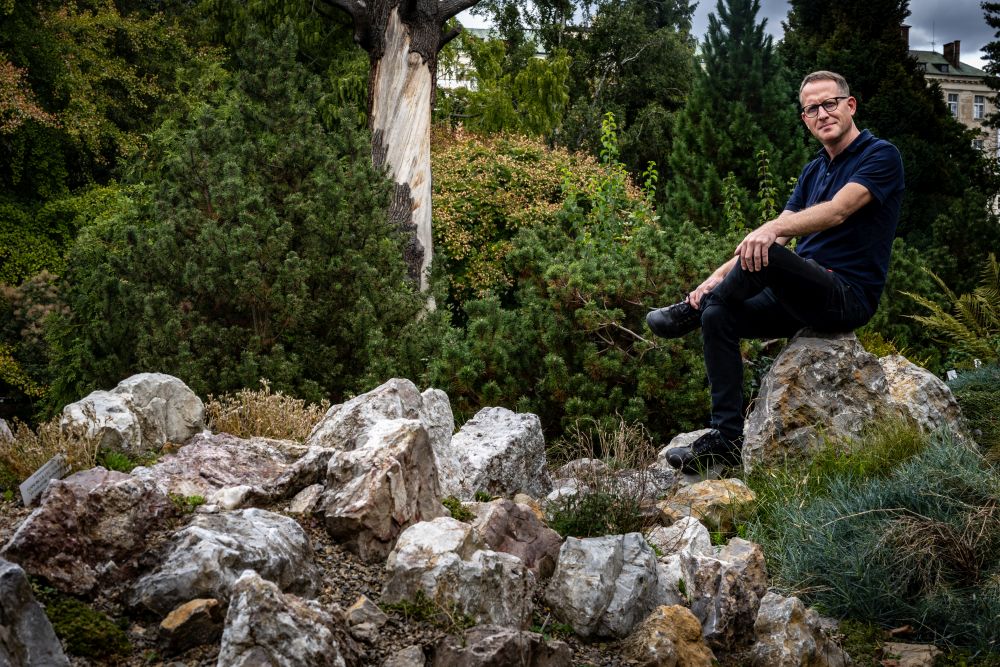
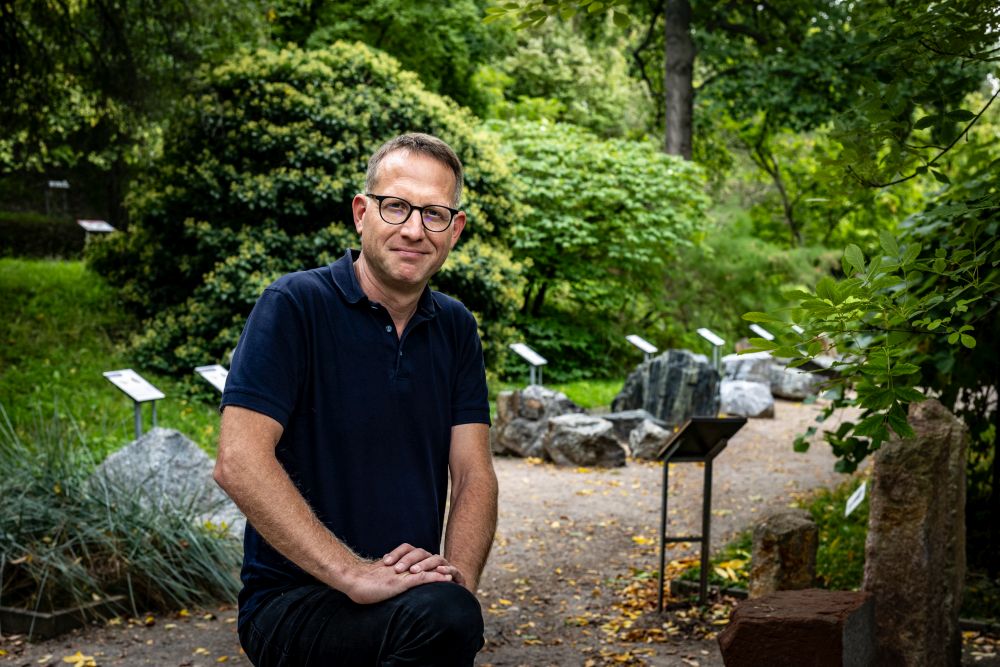
Kryštof Verner is one of the co-authors of the Geological Park of the Faculty of Science, Charles University, which is freely accessible in the faculty’s Botanical Garden in Prague.
A solid foundation of the world
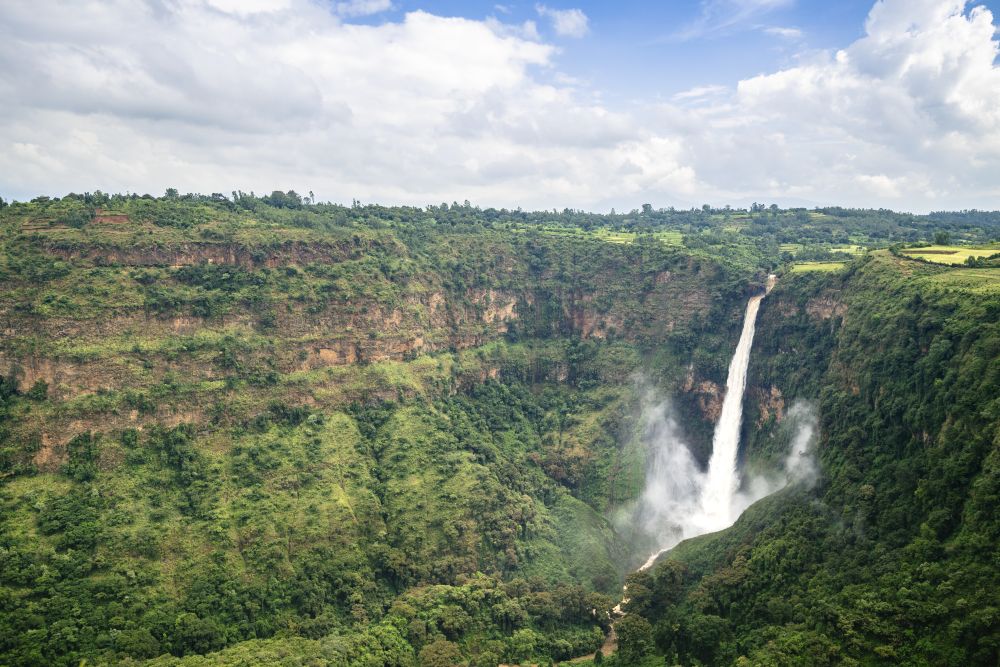
Ethiopia is a beautiful, geologically diverse country that offers an abundance of opportunities to learn about geological processes. “When I first arrived in Ethiopia, I was fascinated. I felt like I had opened a new book with countless stories and possibilities,” said Kryštof Verner. How long he will continue to leaf through the pages of the Ethiopian book, he does not yet know. When he accepted the offer to fly to Ethiopia without hesitation twelve years ago, he had no idea that Africa would become his second home for years to come. “I often remember what my supervisor, Associate Professor František Holub, sadly no longer with us, used to say. His motto, ‘the only solid foundation of our world is rock,’ is our certainty, which will continue to hold true in any case. To exaggerate slightly, one could say that if you understand rocks, nothing in the world can upset you. When the natural and social sciences combine and our view becomes comprehensive, it can bring many future benefits for everyone involved.”
| Prof. Kryštof Verner, PhD |
| Graduated from Charles University’s Faculty of Science. Currently works at the Institute of Petrology and Structural Geology at CU SCI and at the Czech Geological Survey. His work focuses on structural geology and tectonics, magmatic and orogenic processes, and the creation of geological and applied maps. He has gained extensive experience in European countries, the USA, Africa, and Asia. For more than ten years, he has been leading development projects and expeditions in Ethiopia and is active in other African countries as well. In 2025, he was appointed professor. |