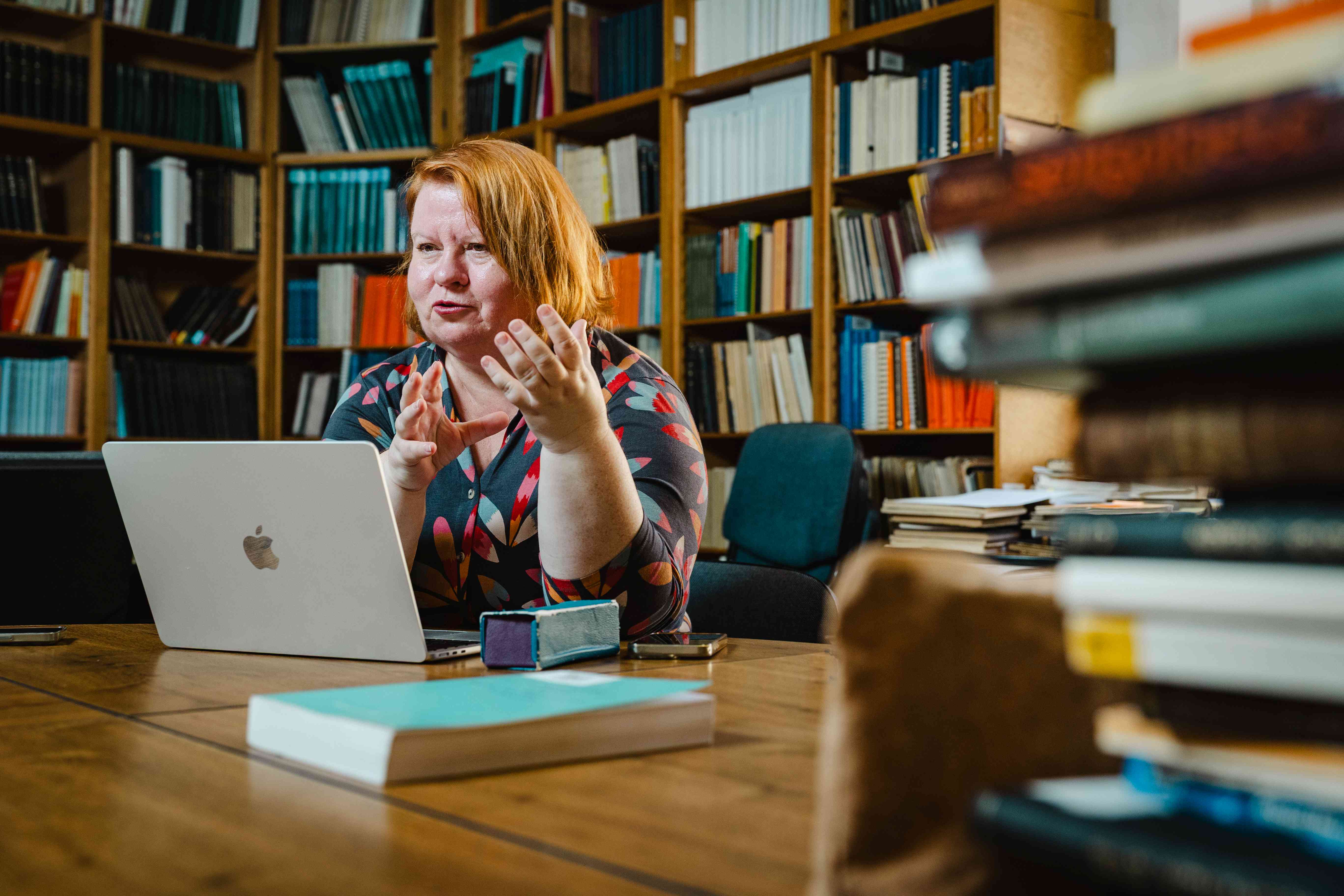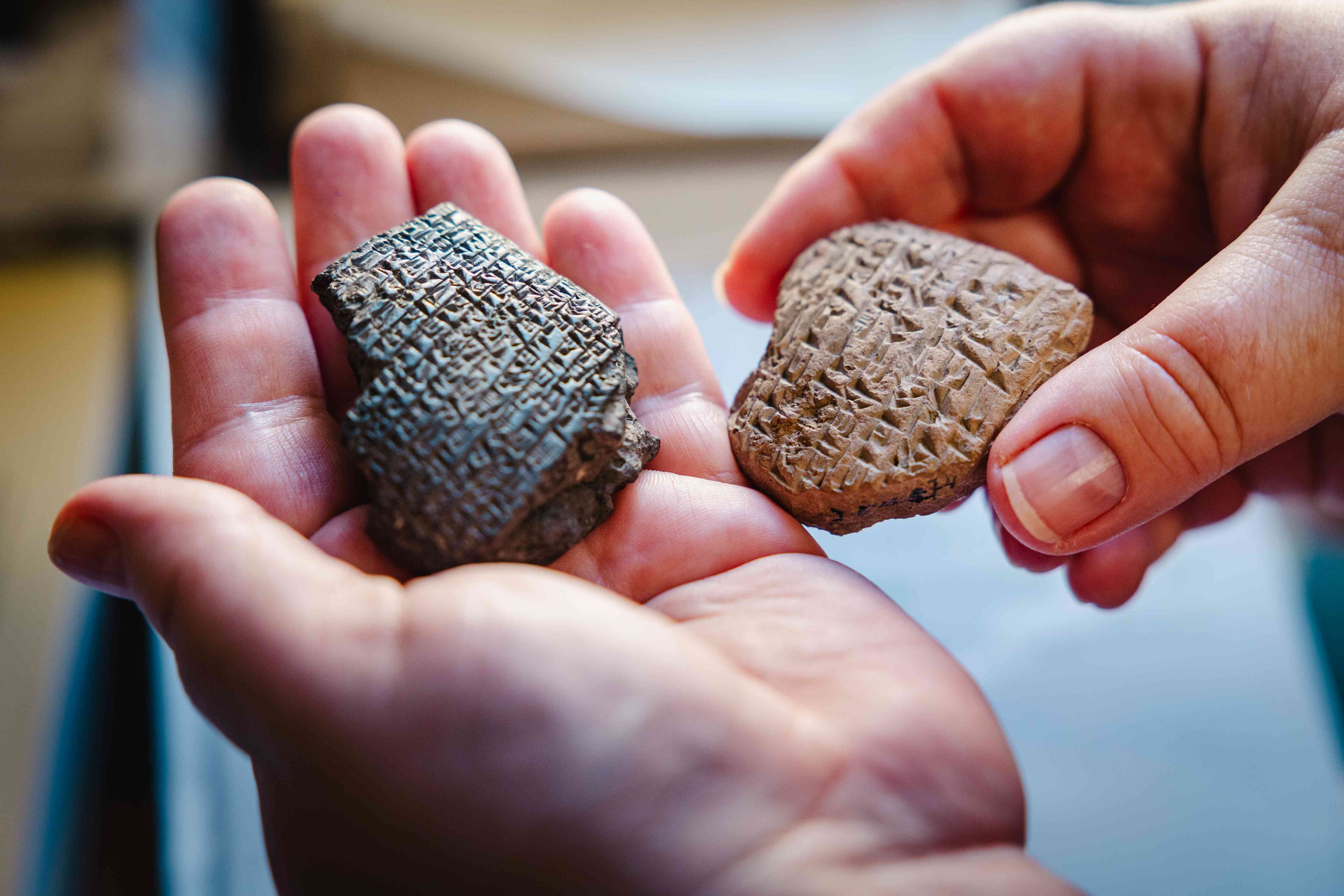


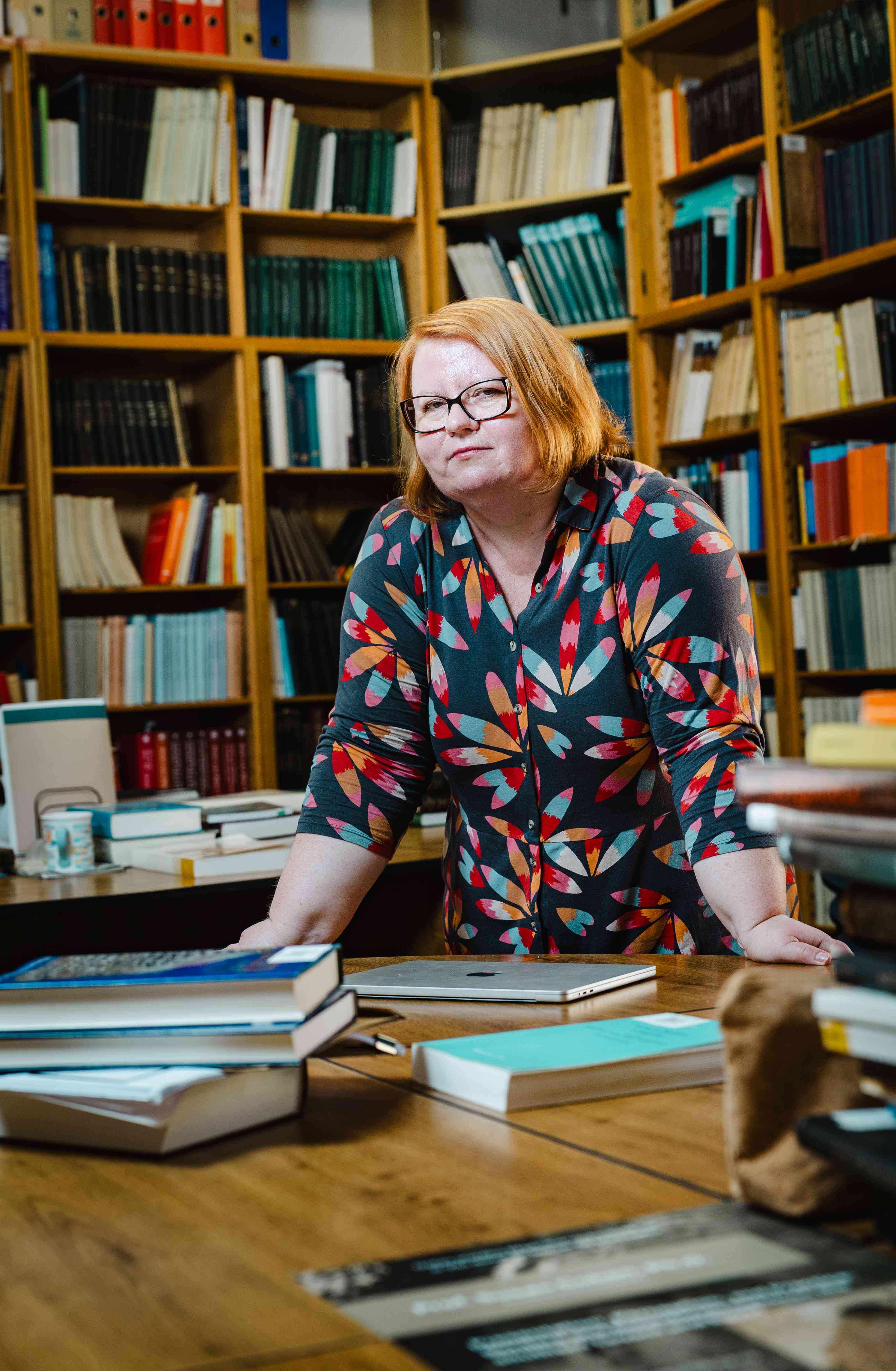
 Did ancient societies adhere to the “eye for an eye” principle? How much exemplary violence, murder, or psychological terror actually occurred within? Assyriologist Jana Mynářová will be seek to answer these questions over the next five years thanks to a prestigious Advanced ERC grant, which the European Research Council is funding with 2.5 million euros – or about 60 million crowns. “At the heart of the ERC project are roughly forty thousand cuneiform texts that we will be working with,” says Professor Mynářová of the Institute of Ancient Near Eastern Studies at Charles University’s Faculty of Arts. She explains how her team will work with the cuneiform tablets, of which Czech linguist Bedřich Hrozný acquired about 400.
Congratulations, Professor. It’s not common for scholars in the humanities here to receive an Advanced ERC Grant. We had a historian at CU ARTS, Kateřina Čapková, who was awarded a grant in the same category just one year ago. What will your research focus on?
My project will focus on interpersonal violence in ancient Mesopotamia. This means that we want to replace the somewhat stereotypical portrayal of violence as it is usually presented – that is, through the lens of royal inscriptions and monumental reliefs – with a picture of so-called everyday violence among the ordinary people of Mesopotamia.
Everyday violence, that sounds harsh. As you just said, we’re familiar from books with various gruesome scenes involving Ashurbanipal or Ashurnasirpal – rulers who flayed people, executed prisoners, did horrific things to them…
Exactly. If we look at how our entire field (cuneiform) has developed, our earliest ideas about Mesopotamia come from ancient authors and the Bible. In the 19th century, the interests of Western powers – though motivated differently than in antiquity – led researchers to northern Mesopotamia; that is, to the territory of present-day Iraq and its surroundings. It was there, in the region of the Assyrian royal palaces and cities, that researchers encountered the depictions you mentioned: a ruler trampling his enemies, a king killing enemies from a war chariot, dramatic scenes, hunting, and the humiliation of the defeated and the dead. But that is just one image – one of royal propaganda. Here, the ruler is always the victor, the guarantor of law and order, the embodiment of power. The question, however, is: what was actually happening in society itself? The royal reliefs do not reveal much about that.
And what will you be investigating? Will you deduct it from the clay tablets?
There is a huge advantage to cuneiform culture: we have three thousand years of continuous written records at our disposal. There are truly lots of them – it is said there are hundreds of thousands, perhaps even a million clay tablets in collections around the world, a large portion of which remain unpublished to this day. These texts span the period from the turn of the 4th and 3rd millennia to the turn of the Common Era. When we consider how long we’ve been writing using the Latin alphabet, our history is roughly the same in terms of time, perhaps even a little shorter. And we have not only royal inscriptions from this period, but also a wide variety of letters, economic records, and legal texts. It is precisely these sources that allow us to gain insight into the daily lives and everyday problems of ancient Mesopotamians.
And you will be focusing on these sources?
Yes, these are exactly the texts we will focus on. At the heart of the ERC project are roughly forty thousand cuneiform texts that we will be working with. Most of them are letters and legal documents that depict everyday life and specific interpersonal conflicts. For example, we have preserved letters in which the writer informs the recipient of the discovery of a dead infant’s body, or of other forms of violence within the family or community. There are also court verdicts and legal documents describing incidents, charges, and punishments. Based on these documents, we will attempt to piece together the extent of interpersonal violence and determine whether it was a common occurrence or rather an exception. At the same time, we are interested in the extent to which this “image of violent Mesopotamia” is shaped more by propaganda and modern stereotypes. It is somewhat similar to how, in the context of the Greek world, we intuitively contrast ancient Sparta and Athens – perceiving the former as warlike and the latter as cultural and intellectual. Assyria and Babylonia are often viewed through the same lens, and we want to verify what the everyday documents themselves have to say about this.
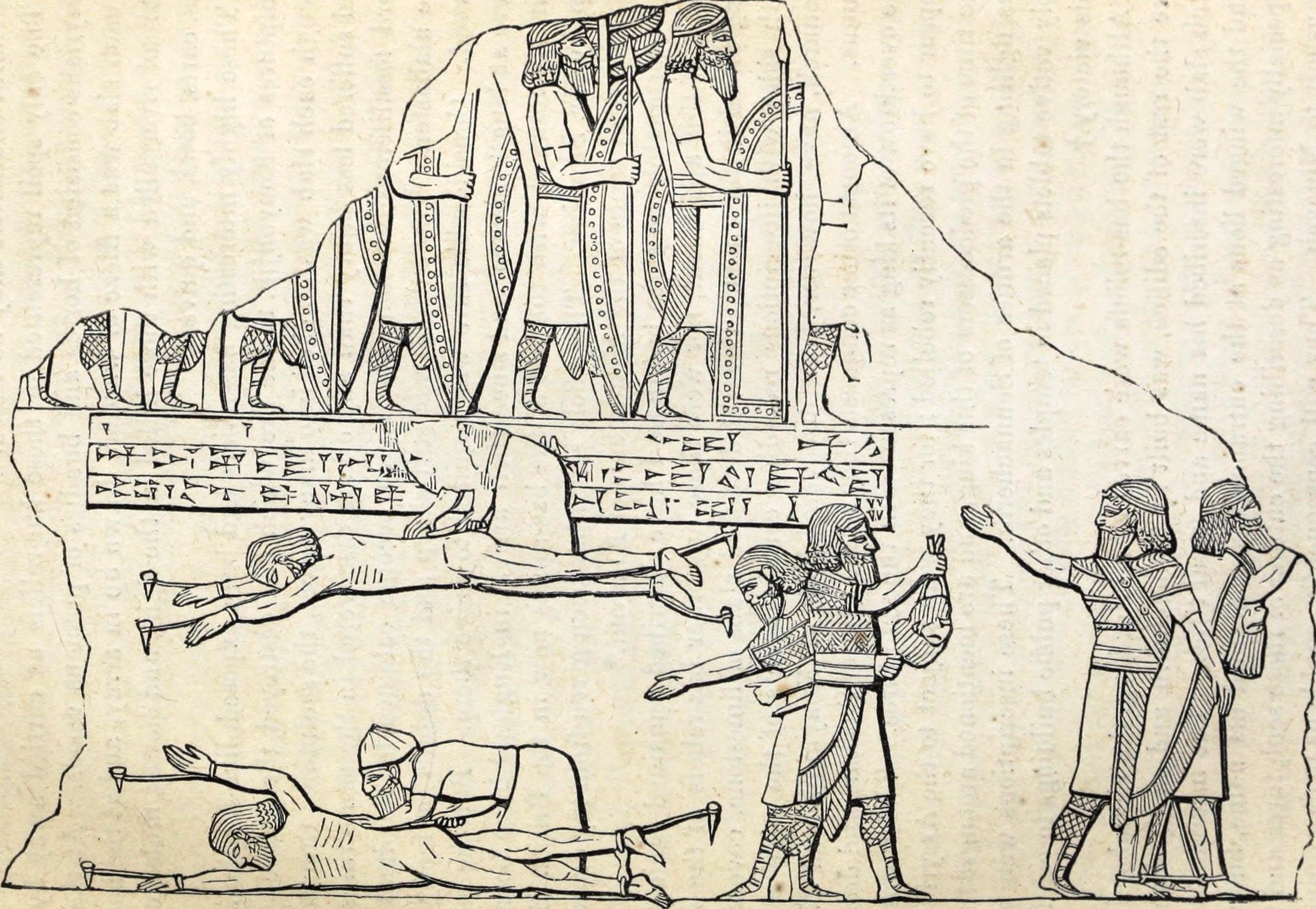
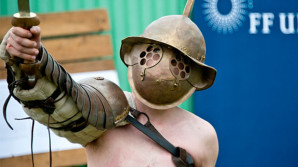
Such crude depictions were used to portray ancient Mesopotamian societies. Jana Mynářová of the Faculty of Arts at Charles University believes she can change that and present a more realistic picture..
Your academic colleague Josef Klíma once wrote a number of books about the world’s oldest legal codes. We’re familiar with some of the provisions, which are quite harsh: cutting off the breast of a failed wet nurse, and so on. Do such severe practices correspond to what you have found in those letters?
Actually, no. And that’s one of the reasons why I’ve focused on this topic. The so-called legal codes we know from Mesopotamia – from Ur-Nammu to Hammurabi – cover only an incredibly short period of time. Essentially, we are talking about the end of the 3rd and the beginning of the 2nd millennium BCE. That’s the first point. Moreover, these texts are, to a large extent, propagandistic; they portray the ruler as the one who “establishes the law,” settles disputes, and ensures justice. However, when we look at other texts, the provisions we know from, say, the Code of Hammurabi appear surprisingly rarely in practice – if at all. This is extremely interesting. We will therefore be able to unequivocally confirm or refute the nature of these royal codes.
So Hammurabi is an example of how things should be – as the ruler himself envisioned them, but in real life, things may have been completely different…
Indeed. The Code of Hammurabi is more of a vision of how things should ideally be, rather than a direct reflection of everyday practice. Furthermore, it is important to recognise when it came into the spotlight of the Western world. Its discovery and publication at the turn of the 19th and 20th centuries significantly shaped the European perception of Mesopotamia as a harsh, violent society. This was symbolically reflected in the famous “an eye for an eye, a tooth for a tooth,” which is often quoted out of context.
The collection of forty thousand cuneiform texts is impressive in itself. Do you study them in digital form, or do you have to go somewhere, like Baghdad, to an archive?
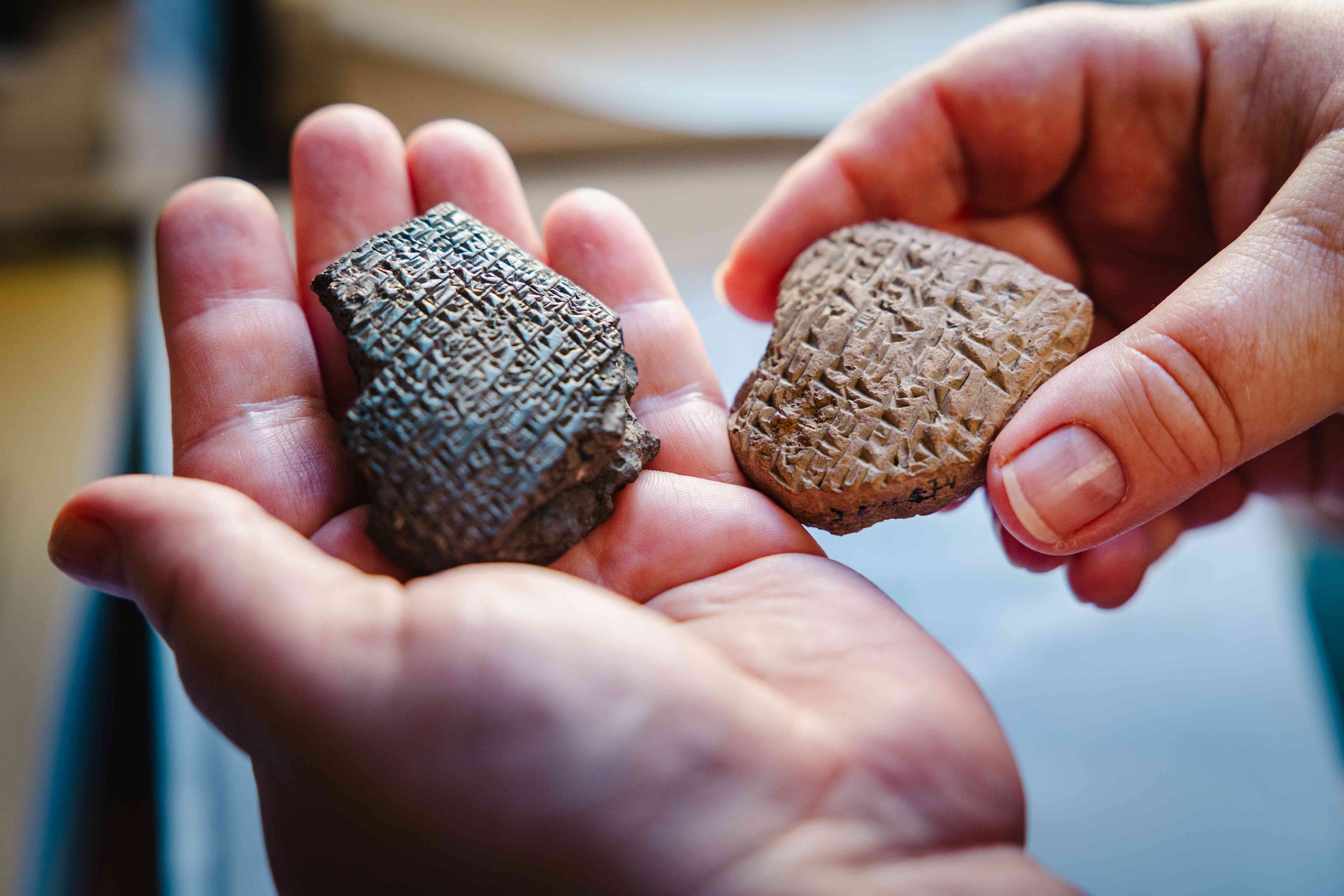
We will combine multiple approaches. Some of the material exists in the form of standard editions, many of which have been digitised and are available in online repositories. We have agreements with their administrators granting us access to the data. At the same time, however, a large number of tables have never been published. And over the course of the five-year ERC project, additional texts will be published on an ongoing basis, often in print only. We will therefore work with existing digital corpora while also digitising and processing newly available texts ourselves. And in cases where we are unsure about the reading or interpretation, we will have to turn directly to individual museum collections, whether through photographic documentation or by personally examining the original tablets on site.
You mentioned that there might be as many as a million of these tablets. Where are they physically stored? Are they in Iraq or Iran? How could we visualise this? Are any of them in the Berlin museum or elsewhere?
Physically, they are scattered all over the world. We are talking primarily about classic “Western collections” that immediately come to mind: Berlin, of course, the British Museum in London, the Louvre in Paris, but also, of course, the Iraqi Museum in Baghdad. And, of course, there is a vast collection in Istanbul, which is linked to the former policies and ambitions of the Ottoman Empire.
Are you planning to go there and meet the curators?
We assume that we will have to visit a number of places in person. But this is the kind of work I've been doing for a long time, and my team members are used to it as well.
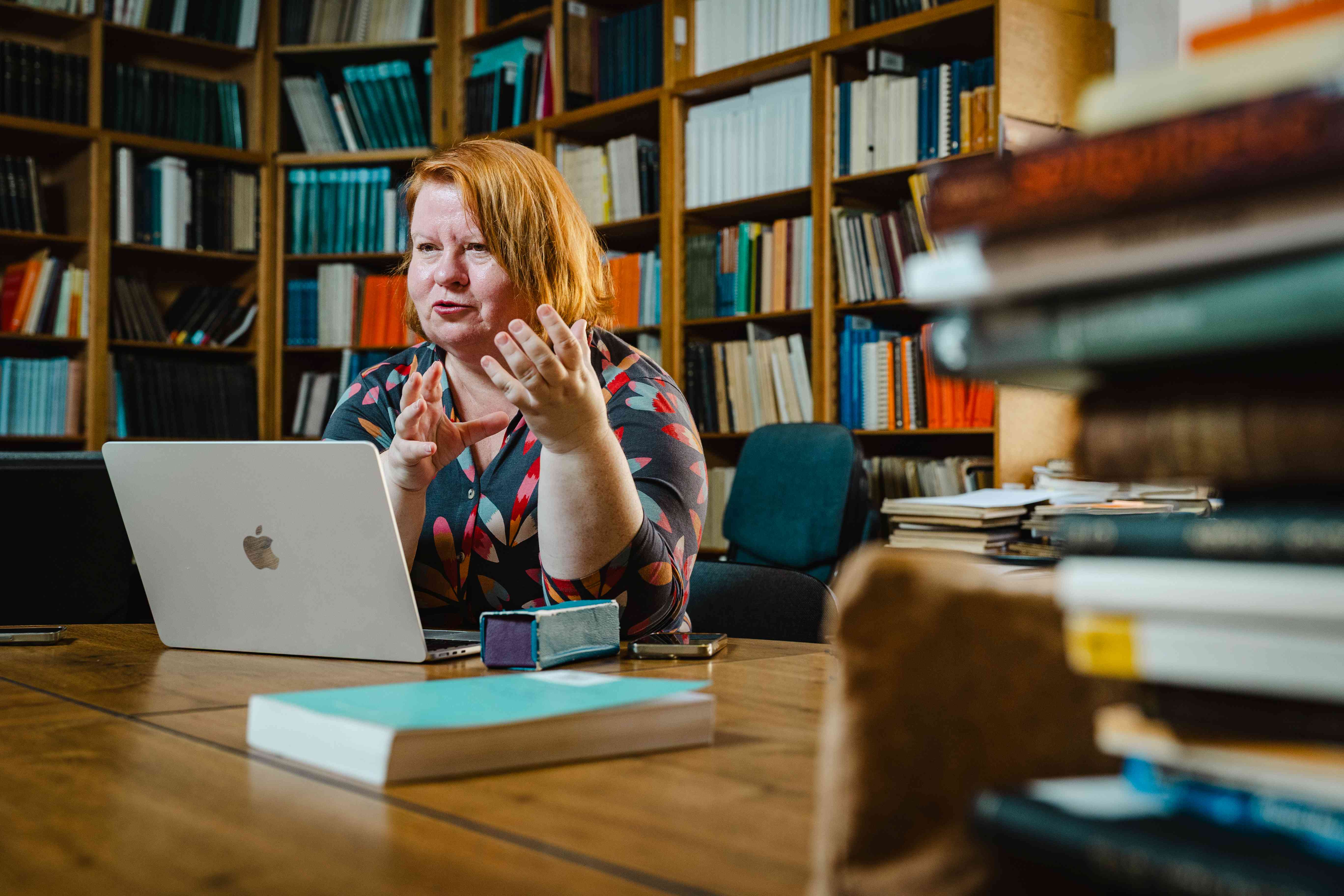
It’s a lot of work either way, but you won’t be doing it alone. What will your team look like?
The core team is already assembled. As for the digitisation itself and the Digital Humanities, we will be working with tools based on natural language processing (NLP), because forty thousand texts is not a corpus that can realistically be read through “just like that.” We will use existing tools while also developing our own. Adam Anderson, originally from UC Berkeley, will join the team as a senior researcher. We’ll also have colleagues specialising in legal texts and letters. Here in Prague, our colleague Ludovica Bertolini is already working with us. More will be joining as well: Eduardo Torrecilla from Albacete, Seraina Nett from Copenhagen, and Andrea Rebecca Marrocchi Savoi from Rome. In addition, our students will be participating in the project, working on specific research tasks as well as digitisation and activities related to corpus creation.
How much is the five-year budget for the Advanced ERC?
Two and a half million euros, or approximately 60 million crowns. Last year, I also received national funding from ERC CZ amounting to nearly 25 million crowns, but we will now have to return that money. I learned a lot from preparing for it.
What kind of publications are planned? Monographs, anthologies...
We plan to combine the usual academic outputs with a range of digital ones. On the one hand, there will be “traditional” outputs – that is, monographs intended for the scholarly community, topic-specific conference proceedings, and a series of studies in peer-reviewed journals. As early as the first year, we want to launch the project with the Crossroads conference, which we will host in Prague in September 2027. This will serve as a kind of “kick-off.” There, team members, invited guests, and attendees will attempt to map out what we know about violence in Mesopotamia. And in five years, we’ll be able to revisit this and compare how far we’ve come. However, we’re also emphasising the digital dimension of the project. We want to create a freely accessible tool – a sort of gazetteer supplemented by sets of maps where you’ll be able to switch between layers based on time and place and track the extent of recorded violence. At the same time, we’re interested in whether certain clusters or patterns will begin to emerge on the maps, and to what extent they will align with or diverge from traditional notions of “violent” and “nonviolent” regions or periods.
I recently interviewed Lucie Jirásková from the Department of Egyptology at Charles University’s Faculty of Arts about the digitisation of the archive’s photographs. Do you see an emerging trend in your traditional fields to digitise everything and link it online so that you can access it from Copenhagen or Berlin?
Yes. I would even say that, in this regard, Assyriology and cuneiform studies are a step ahead of Egyptology. Digitisation has been proceeding at a very rapid pace for roughly the last, let’s say, twenty years, and today it is absolutely essential to the field. Our institute at CU ARTS was one of the first institutions to embark on systematic digitisation, because we have our own cuneiform collection. It contains texts that were brought to Prague by Bedřich Hrozný himself. And today, we can make them available in digital form not only to students but also to the international community.
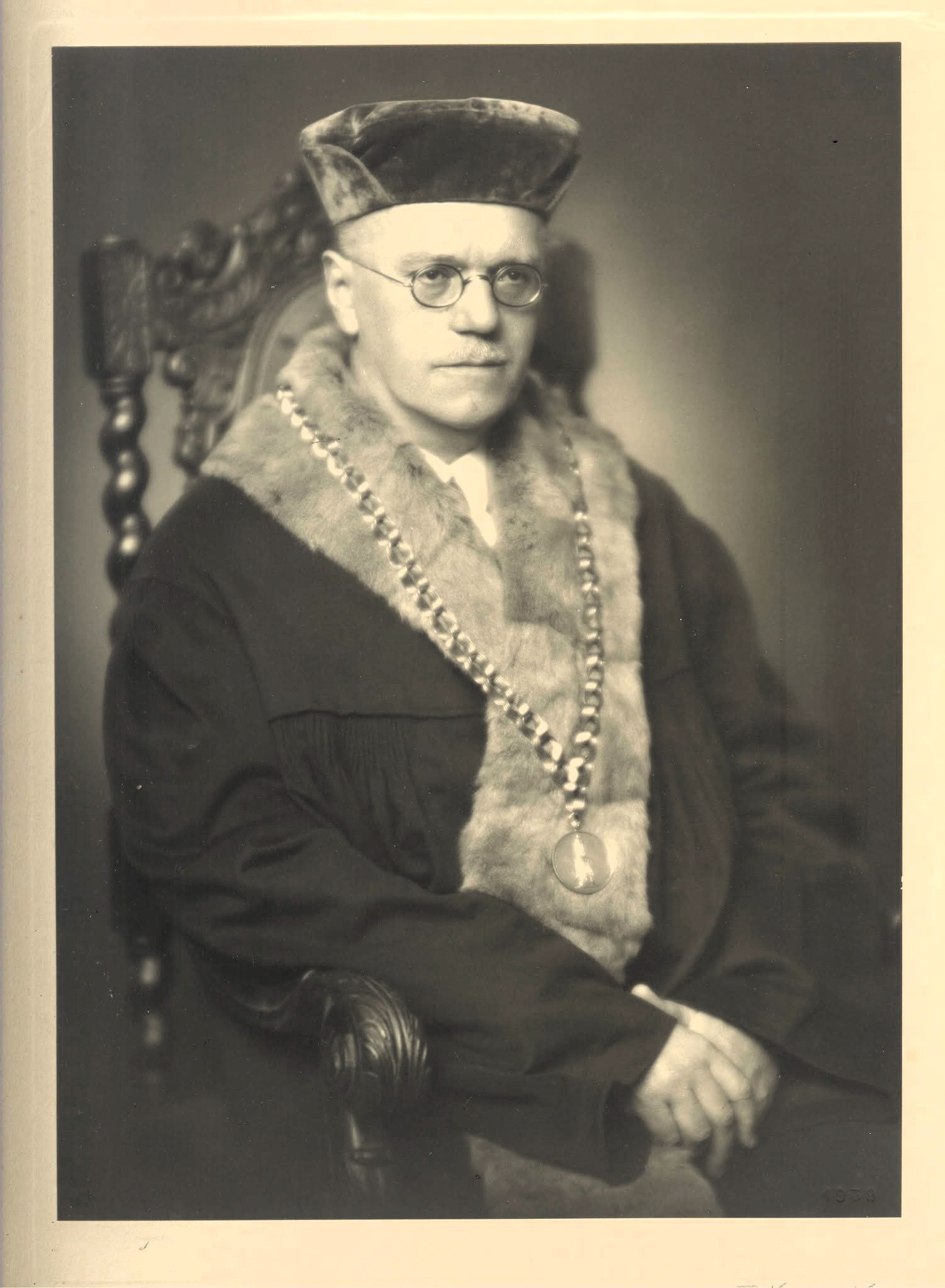 Bedřich Hrozný, the most famous Hittitologist and former Charles University rector. How many did he acquire?
Roughly four hundred texts. In this regard, digitisation is essential not only because it saves time and travel costs, but also because it allows one to work with a larger volume of material simultaneously. Nevertheless, at a certain stage, one simply cannot do without coming into contact with the original.
Is there an example of violence in ancient times that really caught your attention, that made you pause when you read about it? Like that abandoned child’s body, for example?
That letter from Mari, Syria, made a deep impression on me. Written by the governor to the king, who was out of town at the time, it describes the discovery of a child’s body on the bank of a canal at the beginning of the 2nd millennium BCE It says that the little body was so mutilated that it was impossible to tell whether it was a boy or a girl! But as is often the case, the end of the text has not survived, so we don’t know how the story ends...
At the same time, I’m interested in how these findings fit into the broader picture of violence throughout history. For example, when you read Pinker’s The Better Angels of Our Nature (2011), you see a pattern of “a lot of violence in prehistory, followed by gradual civilisation, and less violence today.” But between the Paleolithic era and the Bible, entire millennia of history – including Mesopotamian records – basically vanish. And when you’ve been working with these texts for twenty years, you discover that violence is nowhere near as ubiquitous in them as the modern cliché about the “violent society of Mesopotamia” would suggest.
Archaeologists, on the other hand, are finding that the Mesolithic and Neolithic periods may have been bloodier than previously thought. Do you think your research will change our view of Mesopotamia? We’ve already pigeonholed it in a certain way, and you might be the one to “unbox it,” so to say.
We’ll unbox (laughs). But above all, violence as a phenomenon takes many forms, and I’m interested in what it looked like across different social strata. My approach is based on four very simple questions: who, where, when, and how. Who was involved in the violence? Who were the perpetrators and who were the victims? When did these situations take place? And how? We know the political history of Mesopotamia relatively well – we know when specific military campaigns took place and when major conflicts between individual states occurred. But what we know much less about so far is what was happening at that time to ordinary people who were not fighting themselves. So we’re interested in who, when, where, and how. We’re interested not only in the timeline, but also in the geographical distribution of violence. We want to know whether there were areas that were more exposed over the long term – such as border zones, caravan routes or port cities – and how this is reflected in the historical records.
Places raids would happen and such. You want to sketch a map of what it might have looked like.
Exactly. That’s why I’m discussing linking the text corpus to a geographic database – i.e., a gazetteer – and creating a sort of “violence map.” For certain periods, such as the Neo-Babylonian era, we have the advantage of exceptionally rich sources covering a relatively short time span of roughly one century. And at the same time, we have a good understanding of Babylon itself. It has been well explored archaeologically, and from the texts we know the individual neighbourhoods, streets, and in many cases even the specific owners of the houses.
So there is some kind of social relationship.
We may eventually learn something along the lines of: “Don’t go to Merkes, to this neighbourhood, after midnight, because it’s dangerous.” We’ll see how deep we can go, but we have to work with another dimension as well. We will have to use sophisticated statistical methods to account for both the rate of violence relative to the population and the ratio of violent incidents to the surviving historical record. We have periods and regions with a vast number of sources, and alongside them, blank spots.
In other words, broken pieces of the tablets. Are you only interested in the violence that led to fatalities?
No. We also work with manifestations that may not be purely physical; they can also be psychological or indirect. We have cases of domestic slaves where, according to the records, we see that one slave is deliberately given a smaller portion of food as a form of punishment. That is why we want to examine “macro-history” (broader patterns over the long term) while also combining it with detailed micro-studies that allow us to capture precisely these subtler and more individualised forms of violence.
How common were murders, for example? Is it possible to estimate?
It’s impossible to estimate. We know that they occurred. When I was preparing this ERC project, I did some preliminary research. So yes, we know that murders took place, but their occurrence seems rather limited. The problem is that we don’t yet have a truly comprehensive statistical overview. There are mostly just overview studies that take the topic of “murder” and stretch it across three thousand years without systematically reflecting on changing contexts.
What about mutilation? We tend to imagine fingers, hands, or a wet nurse’s breast being cut off, and so on. How often did that actually happen?
Very little. This is precisely where the image conveyed by propaganda clashes with everyday reality. It will therefore be absolutely essential for us to understand what was actually perceived as violence in Mesopotamia in the first place. Every society defines this through its own language and metaphors. Today, we might casually say, “I’d kill for a cup of coffee,” but that’s just something we say. Similarly, in Akkadian or Sumerian texts, we must distinguish between metaphor, threat, and the description of an actual act of violence.
You are an expert in Peripheral Akkadian. How do you say “violence” or “murder” in Akkadian?
That is precisely one of the problems; in Akkadian, there is no single, clear, all-encompassing word for “violence” as we understand it today. We do have a verb, for example, but it can mean both “to murder” and “to kill.” And only the specific context tells us what kind of event is being described. That is why it is not enough to simply consult a dictionary and select terms associated with violence. We must therefore start with genres where the framework of the action is clearly defined – such as legal texts and court decisions – and from there gradually reconstruct the semantic fields of individual terms.
And to understand metaphors like “I’d kill for a cup of coffee” or “they took Arsenal’s scalp.”
Exactly. And it’s something we hardly ever notice in everyday language. How often do we use phrases full of violence or conflict without meaning them literally? And we find the same mechanisms in Mesopotamian texts as well. There, too, people make threats and exaggerate in this way. Our task, then, is to distinguish between when it’s a metaphor or rhetorical hyperbole, and when it’s a description of a real incident.
Your institute is a very traditional one; it is associated with the Hittitologist Bedřich Hrozný, whom everyone typically associates with cuneiform script. How many students are enrolled at “his” institute?
We currently share accreditation for our bachelor’s and master’s degree programs with our colleagues at the Czech Institute of Egyptology at CU ARTS. The study programme is called “Ancient Egypt and the Near East,” so all Egyptologists also complete the Near Eastern course, and all cuneiform specialists complete the Egyptology course. We are a small department. We usually have only one class of bachelor’s students and one class of master’s students at a time. This year, following the entrance exams, we plan to admit approximately fifteen or sixteen students to the bachelor’s programme and seven or eight to the master’s programme.
You’re also an Egyptologist and hold the title of associate professor in the field. You worked in Abusir. I read that you’ve been researching the relationship between Egypt and the Near East. That must be an interesting topic, right?
That’s what I enjoy – the opportunity to switch between disciplines. I draw on methods from both, and that dual perspective opens up new questions and interpretations. At the same time, I like to explore connections to the natural sciences and technology. For example, with Bedřich Hrozný’s collection, we’re conducting petrological analyses of the clay to determine the origin of the tablets and better understand how they were produced.
Is Hrozný still a big name around the world?
Yes, definitely. In our field, Prague is synonymous with Bedřich Hrozný.
Which other places in Europe work with cuneiform?
There are several such centres in Europe. Munich has a strong tradition in this field and is now also home to major new projects such as the Electronic Babylonian Library. There are significant centres in Berlin – including the Museum of the Ancient Near East and Freie Universität Berlin – as well as in Vienna, Warsaw, Copenhagen, Paris, and Rome. While there are many centres, the fields of study are narrow, so these institutions typically specialise in relatively narrow disciplines.
 Your ERC project will likely be quite international as well, won’t it?
That’s what we constantly emphasise to our students: in cuneiform studies and Egyptology, the academic job market is global. When they apply for a postdoc position after earning their doctorate, they will be evaluated on the same basis as candidates from Berlin, London, or Paris. The competition is the same for everyone.
Is your field also practiced in America?
Yes, very much so. The University of Chicago is probably the leading centre, with Johns Hopkins University in Baltimore, Yale, Harvard, Brown, and many others also having very strong traditions.
How do your students fare in the workforce?
As our classes are small, those who choose our field generally go on to pursue careers in academia and strive to remain in the field – whether through further study, research, or work in museums.
How would you encourage students who are considering history, Egyptology, or archaeology to come study with you? Why should they choose to apply to Charles University?
We offer a detailed insight into how ancient societies functioned – how they evolved, how their internal and external relationships changed – from royal inscriptions to everyday texts. Moreover, we’re a small field, and we all know each other by name; we know who’s working on what, and both teaching and thesis supervision are highly individualised. Finally, people usually don’t come here to pursue a big career, but because they’re genuinely interested in the subject. In a good way, it’s like an island of positive deviation.
Plus, they’ll learn about seven languages…
Our primary focus is not on the languages themselves, but on the fact that they serve as a tool for understanding the thought processes and functioning of ancient societies. Students learn the basics of Akkadian, Sumerian, and Hittite, which are key languages in the field. Thanks to the connection with the Egyptology component of the program, they also study Classical Egyptian and can continue with New Egyptian, Demotic, or Ptolemaic. So there are plenty of options – and, of course, plenty of career opportunities as well.
I remember that you also taught courses like “Chemistry in Mesopotamia” and “Trade and Economics.” But why violence? How did you come to decide to study it?
I suppose it stemmed from the sheer volume of texts one gradually pores over, and from the moment one realises that the image of a “violent Mesopotamia” doesn’t match what we actually read in the sources. This project idea began to take shape three years ago, when these inconsistencies started piling up.
And what good will it do us to learn how a civilisation functioned thousands of years ago, or what kind of interpersonal relationships existed? Can we learn something about ourselves?
To a certain extent, we would find that nothing fundamental actually changes. I’m simplifying things a great deal, of course, but the basic patterns of how society functions, of conflicts, and of reactions to them are surprisingly stable. What’s unique about Mesopotamia is that we have approximately three thousand years of continuous records, so we can track a single phenomenon over time and space in a way that isn’t available for similar civilisations. This can also be interesting for the present day – how society reacts to different levels of violence, without mechanically comparing the “pre-modern” and “modern” worlds. And finally, there is also a purely scientific motivation for me – the effort to learn as much as possible, without having to invent specific practical applications to make it seem useful, is immensely important. We simply want to understand it, including what took place on those tiny fragments of tablets, which often remain the last testimony to great stories.
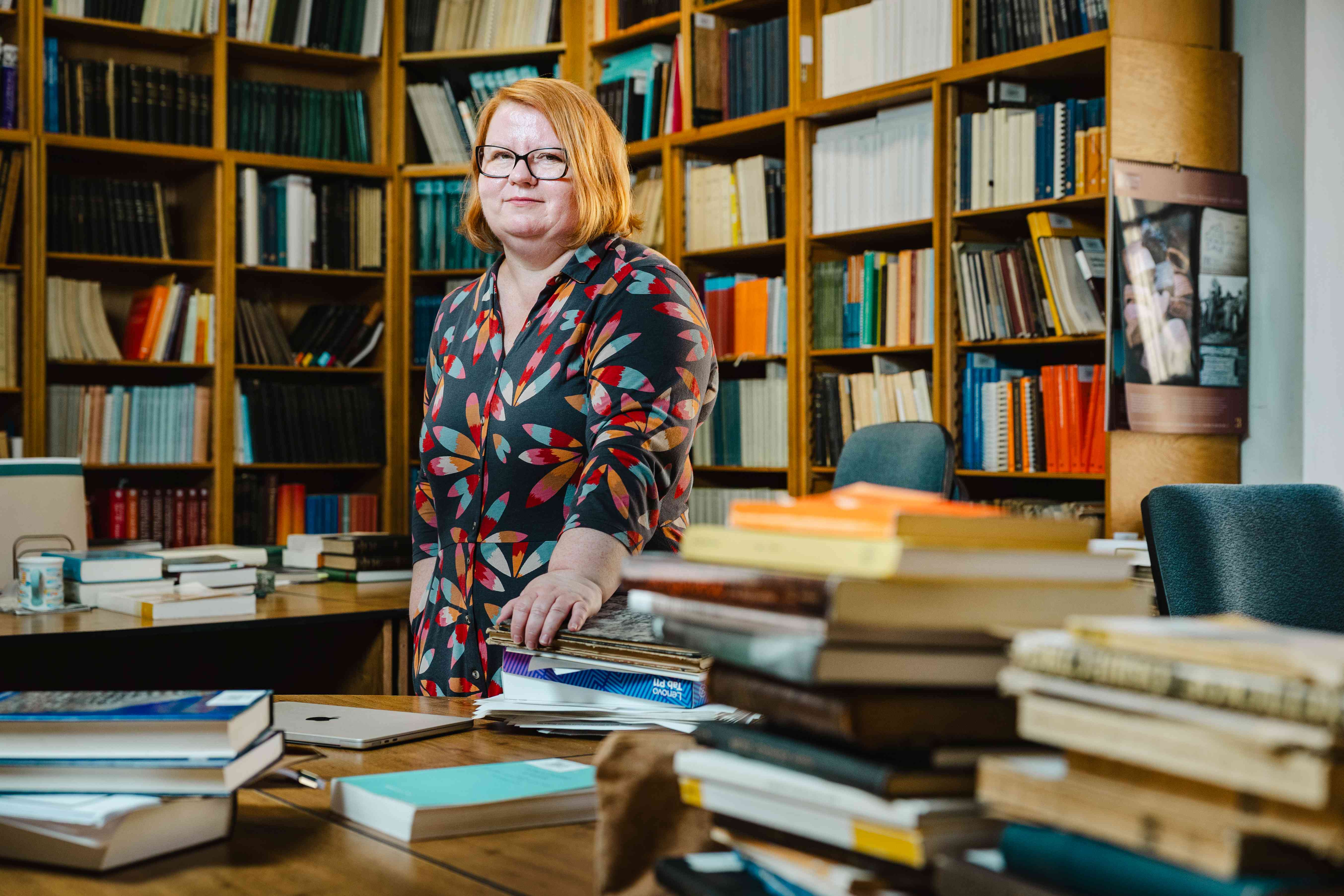
| Professor Jana Mynářová |
|
Assyriologist and Egyptologist, faculty member at Charles University’s Faculty of Arts, Institute of Ancient Near Eastern Studies. Since 2023, she has held a professor position in the field of History and Culture of Asian and African Countries. She specialises in Assyriology and Egyptology, focusing primarily on the political, social, and economic history of the ancient Near East and Egypt in the 2nd millennium BCE, ancient law, diplomacy, Akkadian, Ugaritic, cuneiform palaeography, and relations between Egypt and the Near East. Her current research focuses primarily on the materiality of written documents, the archaeology of texts, and the non-linguistic aspects of cuneiform tablets from the Bronze and Iron Ages. She is the author and editor of numerous scholarly publications, including the monograph Language of Amarna – Language of Diplomacy: Perspectives on the Amarna Letters (2007) and volumes in the Crossroads series. She has led and continues to lead several projects funded by the Czech Science Foundation, such as Amarna. The Crossroads of the Ancient World (2006–2008), Economic Complexity in the Ancient Near East (2018–2021), and Archaeology of Texts (2023–2025). Since 2023, she has also been a Fellow-by-Courtesy at the prestigious Johns Hopkins University in Baltimore, Maryland. |