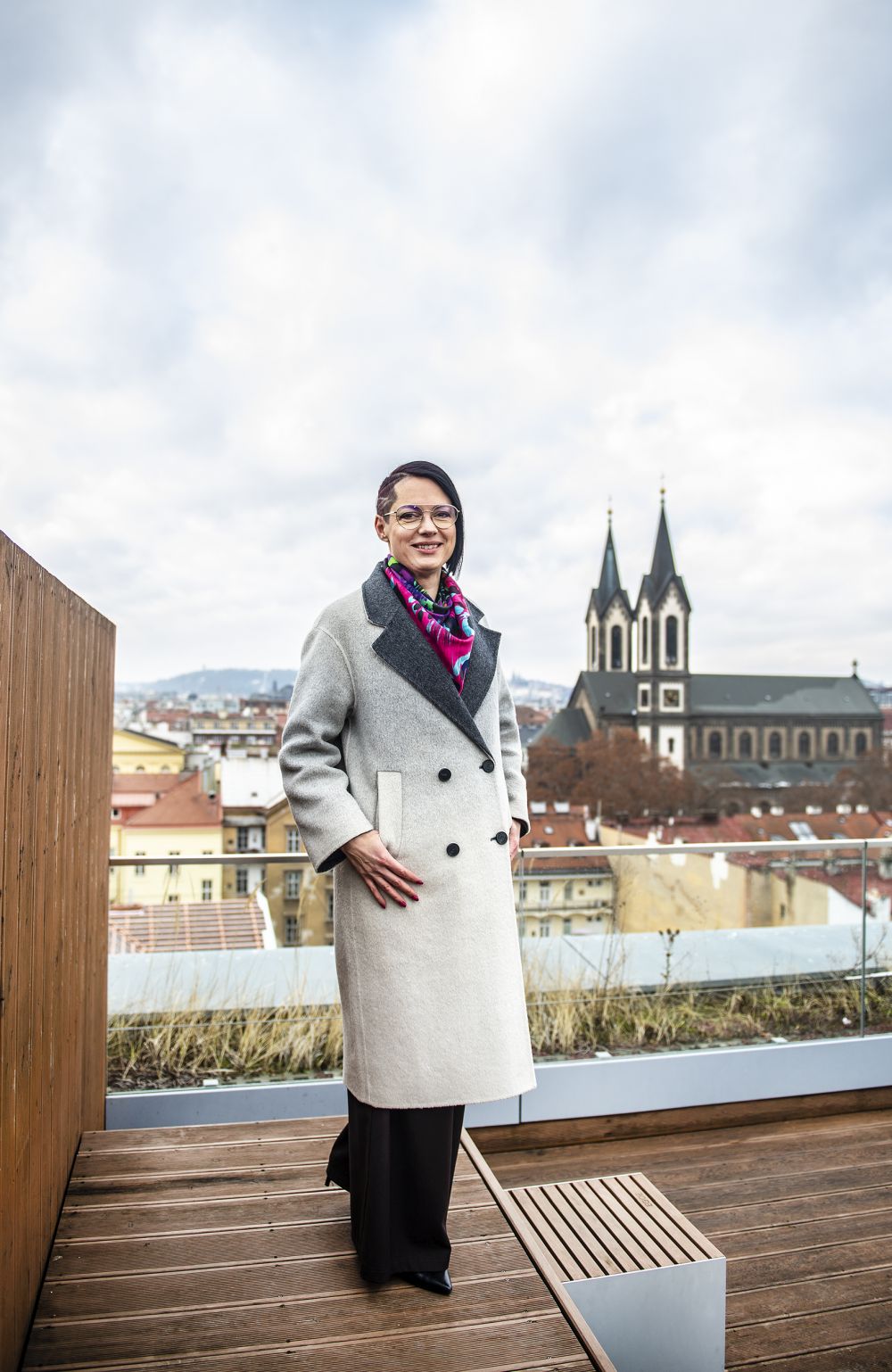


Last year, forty homeless people received CZK 100,000 in cash. What did they do with the money and how did it change the course of their lives? A team of ten researchers, analysts, and social workers associated within the New Leaf Czechia project, led by Melanie Zajacová of the Faculty of Arts at Charles University, tracked these developments throughout last year.
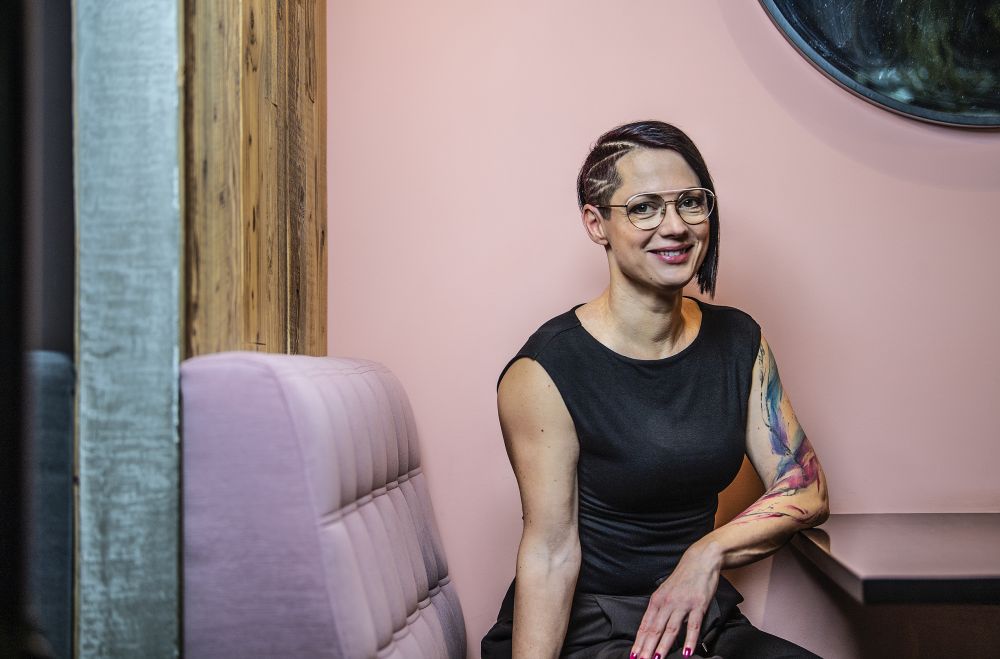
It is rare for information about a social work research project to make it into major domestic media outlets. However, Melanie Zajacová’s New Leaf Czechia project managed just that.
The researcher adapted an originally Canadian project to the Czech environment and revised it for local conditions. Under the headline “Giving Forty Homeless People a Hundred Thousand”, which the media loved, she raised a number of questions related to the functioning of social work in the Czech Republic – questions lacking data-supported answers.
Inspired by Canada
Statistics show that more and more people are ending up on the streets every year. The issue of homelessness consumes tens of billions of crowns out of the state budget, yet the situation isn’t improving – quite the opposite. So where is the flaw in the system? asks the researcher. To answer this question, we need to obtain valid data that can be used to adjust or overhaul the current, clearly dysfunctional system. This is where inspiration from Canada comes in.
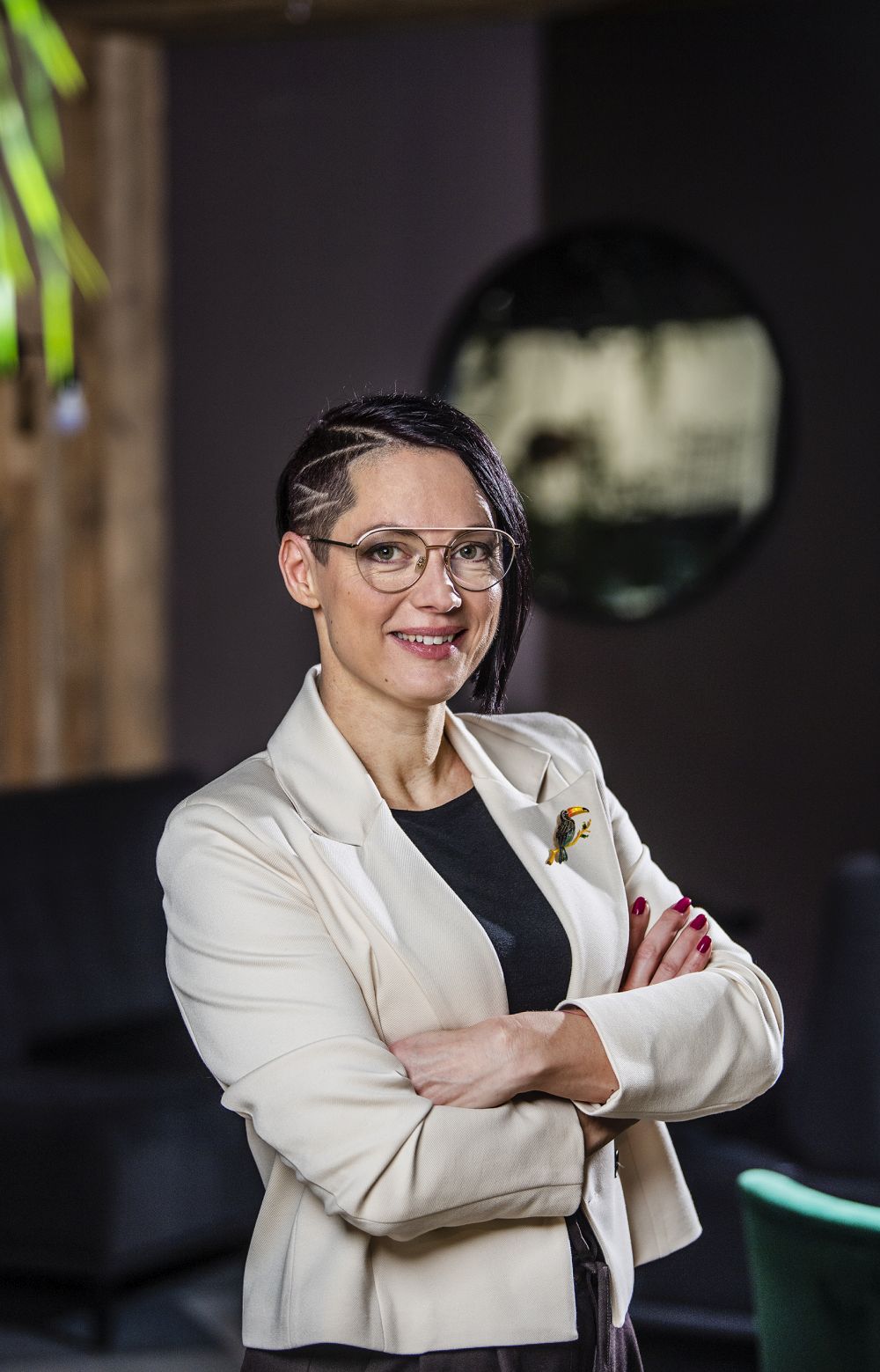
The New Leaf project, which has proven successful in Canada, was launched by Melanie Zajacová’s team in collaboration with Neposeda, an innovation incubator, supported by funding from the OPZ+ (Operational Programme Employment Plus) ‘Social Innovation for the Future’ call for proposals.
The research team gathered 100 homeless people, divided them into four research groups, and monitored them over the course of last year. “The first group received money, the second received assistance from a social worker, the third received a combination of both, and the fourth served as a control group using the conventional system. The goal was to determine how these interventions would affect their lives,” the researcher explained.
Less bureaucracy, more time
“So far, four main findings are emerging. First, cost-benefit analysis suggests that this approach is more cost-effective than keeping a person in the social services system long-term. Second, the immense power of human connection is evident. Groups that had access to a social worker show better results than those that were only given money. Third, we are debunking the myth that people on the street don’t want to work. Our data shows that roughly 55% of participants have some form of employment. And fourth, the prejudice that people will ‘drink away’ the money is refuted. On the contrary – In the group receiving financial support, people used the money to secure a roof over their heads, and there was even a decrease in alcohol and drug use. “When your basic needs are met and you have a roof over your head, you don’t have to drink just to survive the night outdoors,” the researcher summarized the main findings.
Melanie Zajacová was pleased with the media attention the project received. “I think we’ve managed to shift the public conversation. My goal was to show that homeless people aren’t ‘the others’ who fell from the sky. They are people who often lived lives very similar to ours until something happened to them – something that could happen to any of us. The public reactions I’m getting are surprisingly positive; people are beginning to understand that homelessness isn’t just a problem to be solved, but a human fate that deserves understanding and effective help,” she noted.
Piercing the bubbles
For two years now, Melanie Zajacová has been heading the Department of Social Work at CU ARTS. She took on the role with the intention of drawing on her experience in the field and in government, supplementing it with scientific research and valid data. “Thanks to all my professional experience, I have a broad perspective and the ability to connect different worlds. We often encounter the stereotype of the academic who only conducts research and has no idea about reality. I try to ‘pierce the bubbles’ and break down the barrier between ‘us academics’ and ‘them in the field.’ The academic world can provide the field with data, knowledge, and trends from abroad, not only for working with clients but also for shaping social policies. Conversely, the practice holds up a mirror to us,” noted the researcher, adding that the New Leaf Czechia project is one such example where research findings can effectively change practice and improve the functioning of the overall system.
AI in social work
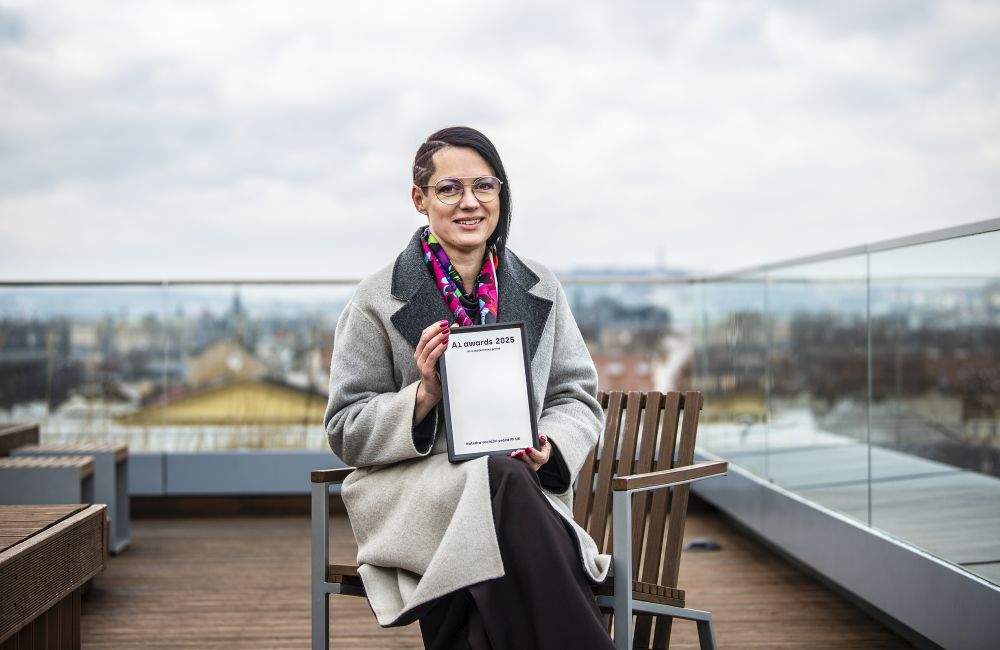
Her department has also developed a successful IT project that won the AI Awards 2025. In collaboration with IT specialists, they created an artificial intelligence tool that saves social workers time. “We analysed the administrative burden on social workers and found that administrative tasks take up as much as 55% of their working hours. One worker produces an average of 123 standard pages of text per year. This information is often lost in the system, and no one has the capacity to review it later. That’s why, in collaboration with a technology firm, we developed an AI module implemented directly into the record-keeping system. Thanks to this, the data is secure and does not leave the closed environment. The AI module can summarize long records, highlight a client’s strengths, or generate materials for official proceedings; however, the social worker always has the final say. Testing has shown that the tool can save approximately 12% of time, which amounts to about 5 hours per week that can be spent working with the client,” noted Zajacová.
The AI module has been in full operation within the Flins record-keeping system since last September, helping social workers make better use of their time and data. It is a great example of how findings from research in the humanities and social sciences can be effectively and almost immediately applied to the functioning of society as a whole.
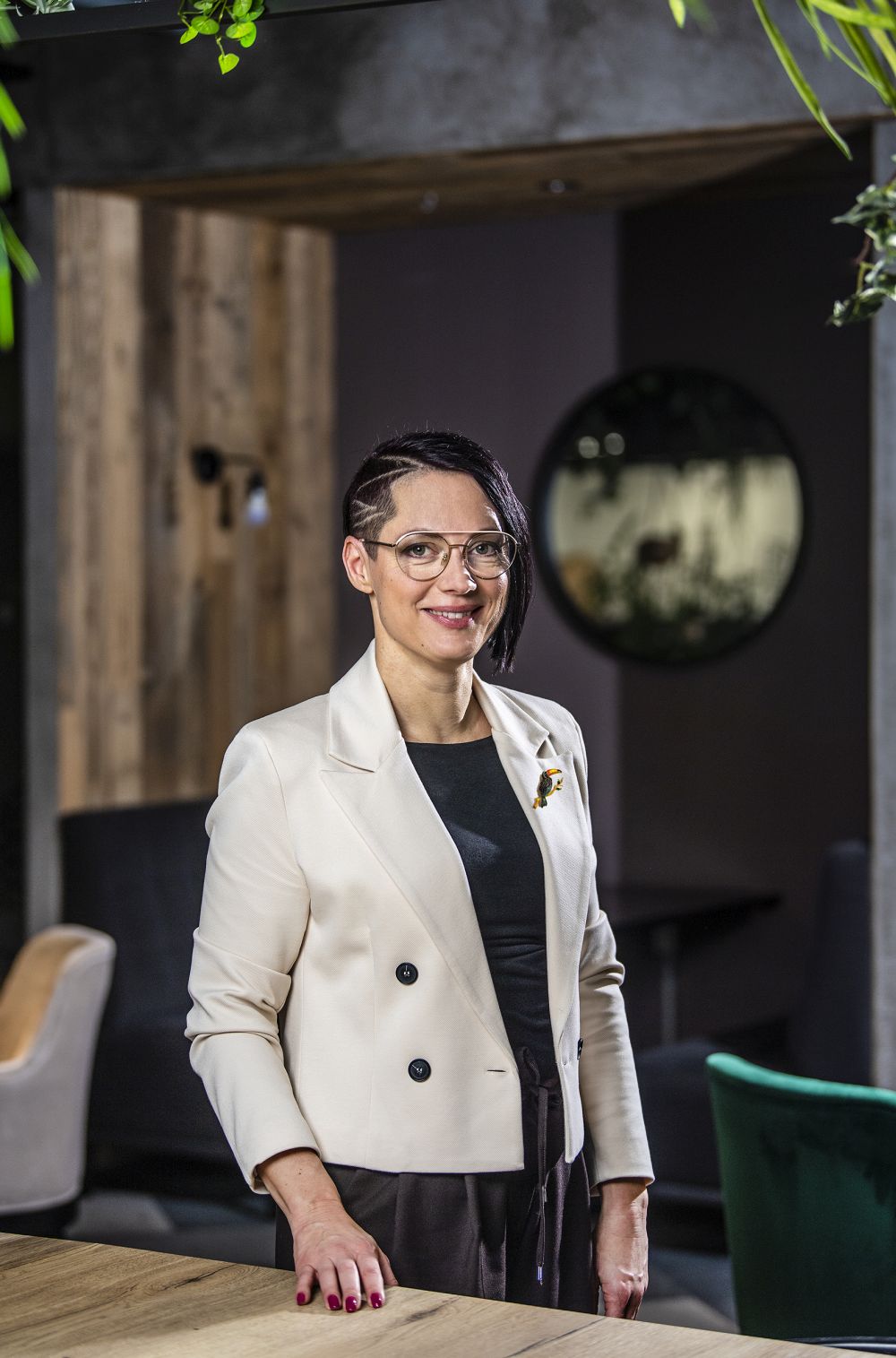
| PhDr. Melanie Zajacová, PhD, LL.M. |
| Head of the Department of Social Work at the Faculty of Arts, Charles University. She has long been dedicated to the topic of social work as a profession in the Czech Republic. She is the head of the New Leaf Czechia research team and Head of Research and Innovation at the non-profit social service provider Neposeda. Previously, she worked worked at the Ministry of Labour and Social Affairs, managed social services for seniors and their families, and during her studies founded an organization focused on children, youth, and families. In 2024, she received the Gratias Award for her significant contribution to social work. Among other, she is also a member of the European Social Work Research Association (ESWRA) and the Inspire & Impact Network, a community supporting and promoting active women. |