

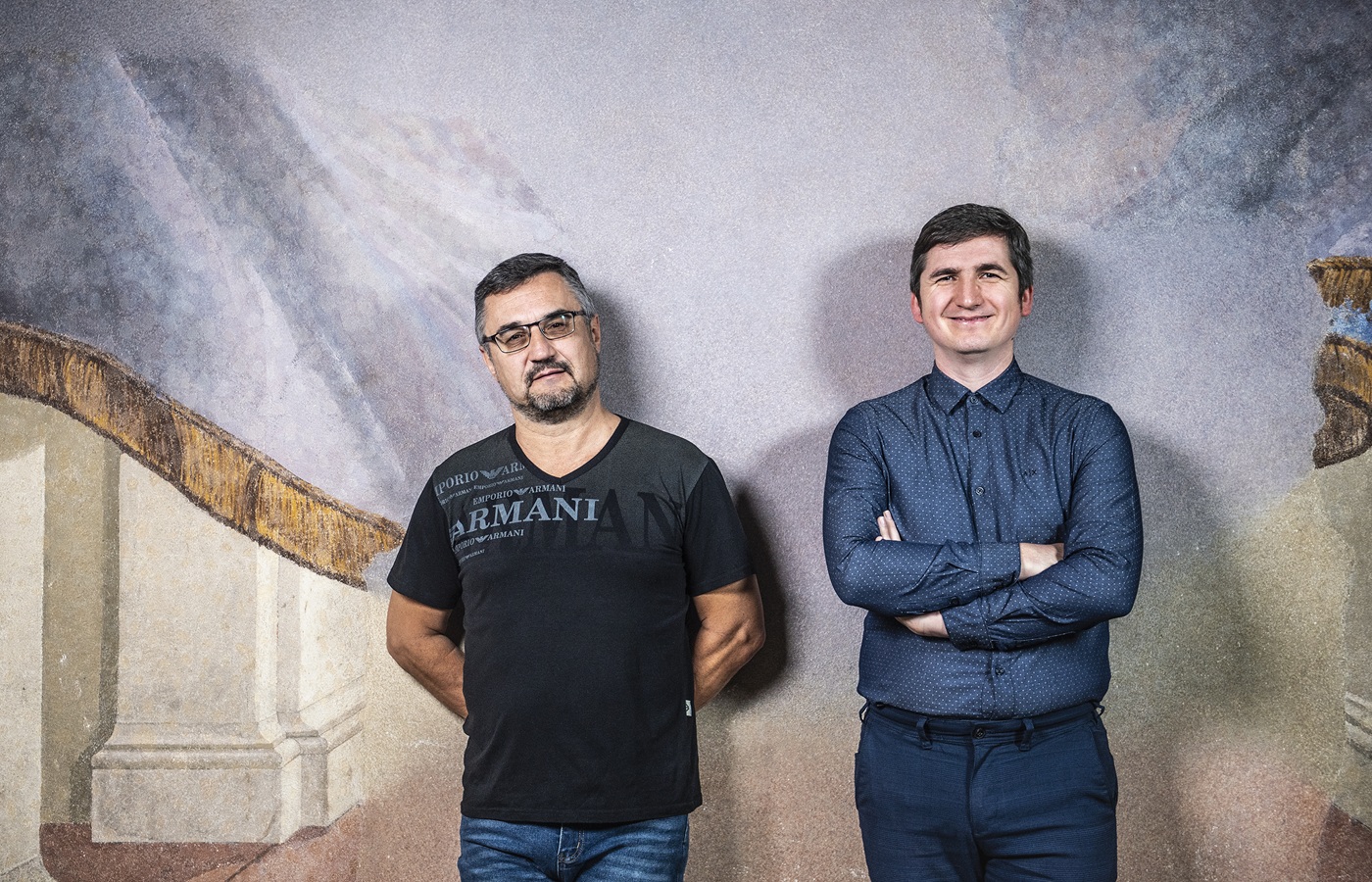
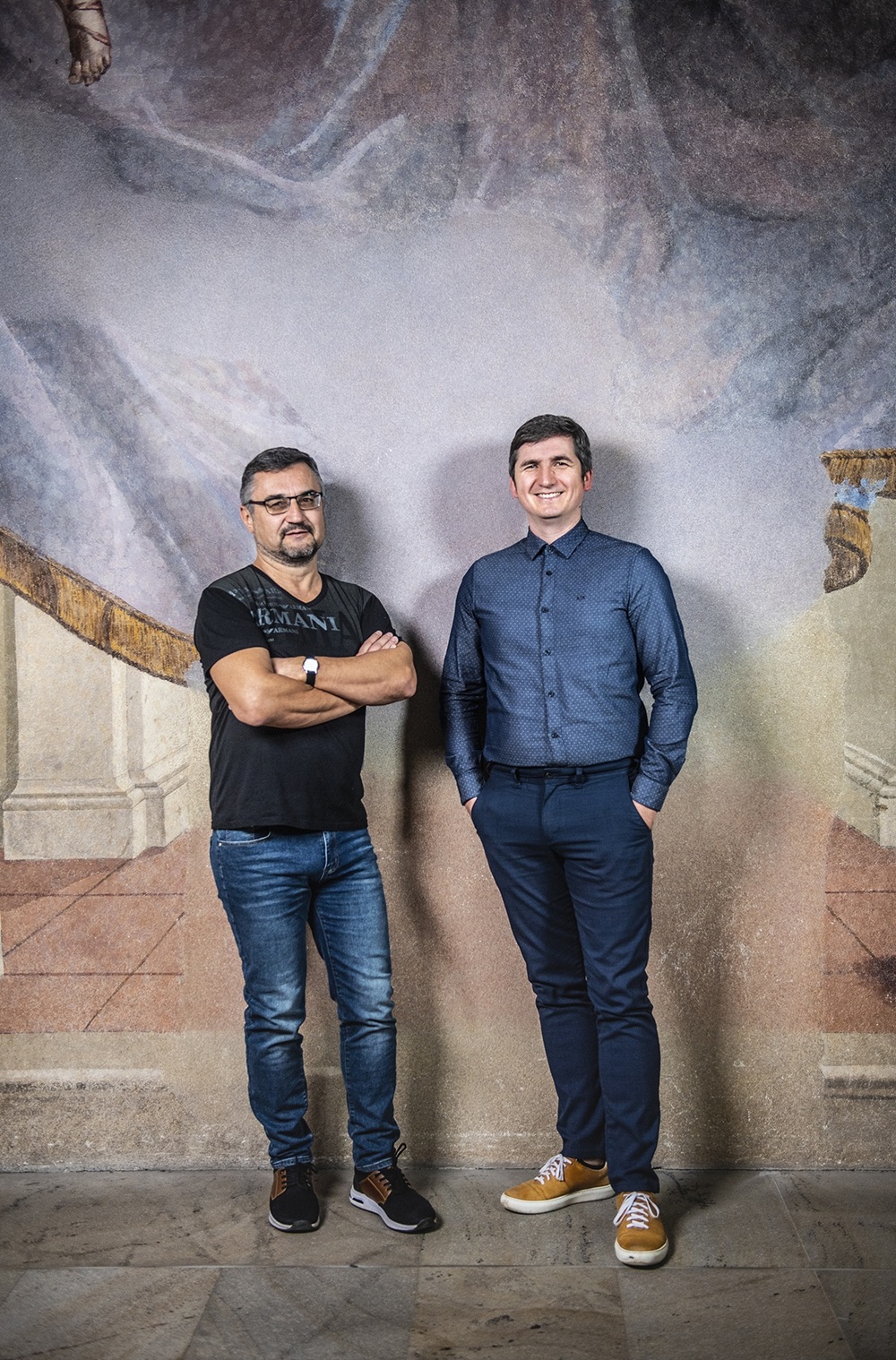
“The biggest benefit of MathPhys collaborating with IT companies is the sharing and connecting of different experiences and perspectives,” agree Ondřej Václavek, who, together with colleagues from the company HAVIT, teaches a seminar on cloud technologies at CU MATHPHYS, and Filip Zavoral, the faculty coordinator for this course, which bridges academia and the corporate world.
How did this collaboration come about?
Filip Zavoral: It was a fairly long and gradual process. About twelve years ago, our Department of Software Engineering introduced a course called Virtualization and Cloud Computing. A substantial part of it is devoted to virtualisation – for example, the software layers that allow multiple virtual machines to run on a single piece of hardware. A smaller section covers cloud technologies – the different types, what they offer, and what they’re used for – and also introduces data centres and virtual infrastructure administration.
So these are lectures provided by your department?
Filip Zavoral: Yes. It’s about three or four lectures per semester, giving students a general overview of how cloud systems work. But we thought it would be highly beneficial to let them get their hands dirty with the cloud – to actually program something, install it, scale it, and so on. That’s why we set up a seminar, originally intended to let students try out all sorts of cloud platforms.
And you initially ran that seminar yourselves?
Filip Zavoral: Yes, with the help of our PhD students. But that wasn’t an ideal setup – PhD students come and go, and it was demanding to organise. At first, we arranged for one of our alumni, software specialist Tomáš Hercek, to cover the Azure part of the seminar. Later, when his schedule no longer allowed it, a colleague from another company took over. For a while, we had various people from different companies, each focusing on a different cloud platform. Since 2019, the seminar has been run by people from HAVIT, focusing specifically on Microsoft Azure.
Ondřej Václavek, you’re one of those people. What exactly do you teach?
Ondřej Václavek: At HAVIT, we run eight to ten seminar sessions per semester, focused on the Microsoft Azure environment. In the first session, students set up their accounts on Azure, get free credits to experiment with, and we give them a basic overview of the services available. In later sessions, we go into more detail – for example, they build their own app and try deploying it to Azure. We show them how to prepare and configure the environment. Each class is usually devoted to one area.
Why Microsoft Azure in particular?
Filip Zavoral: Not because we’re “pushing” it or think it’s the only or most important cloud platform academically. It’s simply for practical reasons – we have a strong partnership with a company that works with Microsoft Azure.
So Azure is big enough that you can teach everything about clouds just using it?
Ondřej Václavek: In my view, Microsoft Azure could easily justify its own dedicated seminar – and another cloud platform, say from IBM, could have its own as well. To put it in perspective: there are dozens of similar cloud platforms, and each of them contains hundreds of services. Given our constraints, it makes the most sense to focus deeply on one platform rather than “jump around” between many. Even then, we can cover in depth only about ten of the most important Azure services.
How did HAVIT itself get into Azure?
Ondřej Václavek: It was a gradual process. From the beginning, we’ve worked with Microsoft technologies, and since Azure is Microsoft’s cloud, it was natural for us to adopt it.
Are you in a position to give Microsoft feedback on how to improve Azure?
Ondřej Václavek: It’s a bit more complicated because Microsoft has many distributors and partners at various levels. But we are a certified Microsoft partner, so we do have something of a “direct line” to them.
And then there’s an informal route too: HAVIT has been on the market for quite a while, and there are only a handful of Microsoft-specialised companies in the Czech Republic – and therefore not that many developers working with Microsoft tech. Czech developers are very capable; quite a few Czechs actually work at Microsoft, and we have friends and acquaintances among them. (laughs)
So Azure is essentially a toolbox, from which a software company picks the tools it needs and adapts them for its purposes – and you teach students how to use those tools effectively?
Ondřej Václavek: Exactly – and also what not to do. For example, what would cost them too much money and wouldn’t fit their use case. We show them how to optimise their work, how to deploy their code or application into a given tool, and so on.
So the platform is meant for developers, not end users?
Ondřej Václavek: Right – if you’re not an IT professional, Azure isn’t for you. Its typical customers are companies that build solutions for end users.
Filip Zavoral: You could think of it like a Lego set – Azure services are large, prebuilt, and complex components, and developers or companies assemble these components into specific software for themselves or their clients.
So you’re passing on HAVIT’s accumulated Azure know-how because you know it will be most useful to students in practice?
Ondřej Václavek: We introduce them to the most commonly used services – the ones we use ourselves. As I said, there are so many tools in Azure that we don’t know all of them, simply because we don’t use them all. We also adjust our teaching based on student feedback and add new developments, because Azure is not a fixed set of services. Lately, artificial intelligence has been making a huge impact. Through Azure, for example, you can use ChatGPT and other OpenAI services and integrate them into your own applications.
What benefits does teaching at MathPhys bring to your company?
Ondřej Václavek: A small plus is that students get to know us during the seminars – some of them later apply for jobs or internships with us. But the main reason for our collaboration with MathPhys, and for me personally, is to give something back to the academic community that gave so much to us. I even taught programming as an elective seminar at a high school for a while. I try to pass on what I’ve learned – and many of my colleagues feel the same way.
| RNDr. Filip Zavoral, PhD |
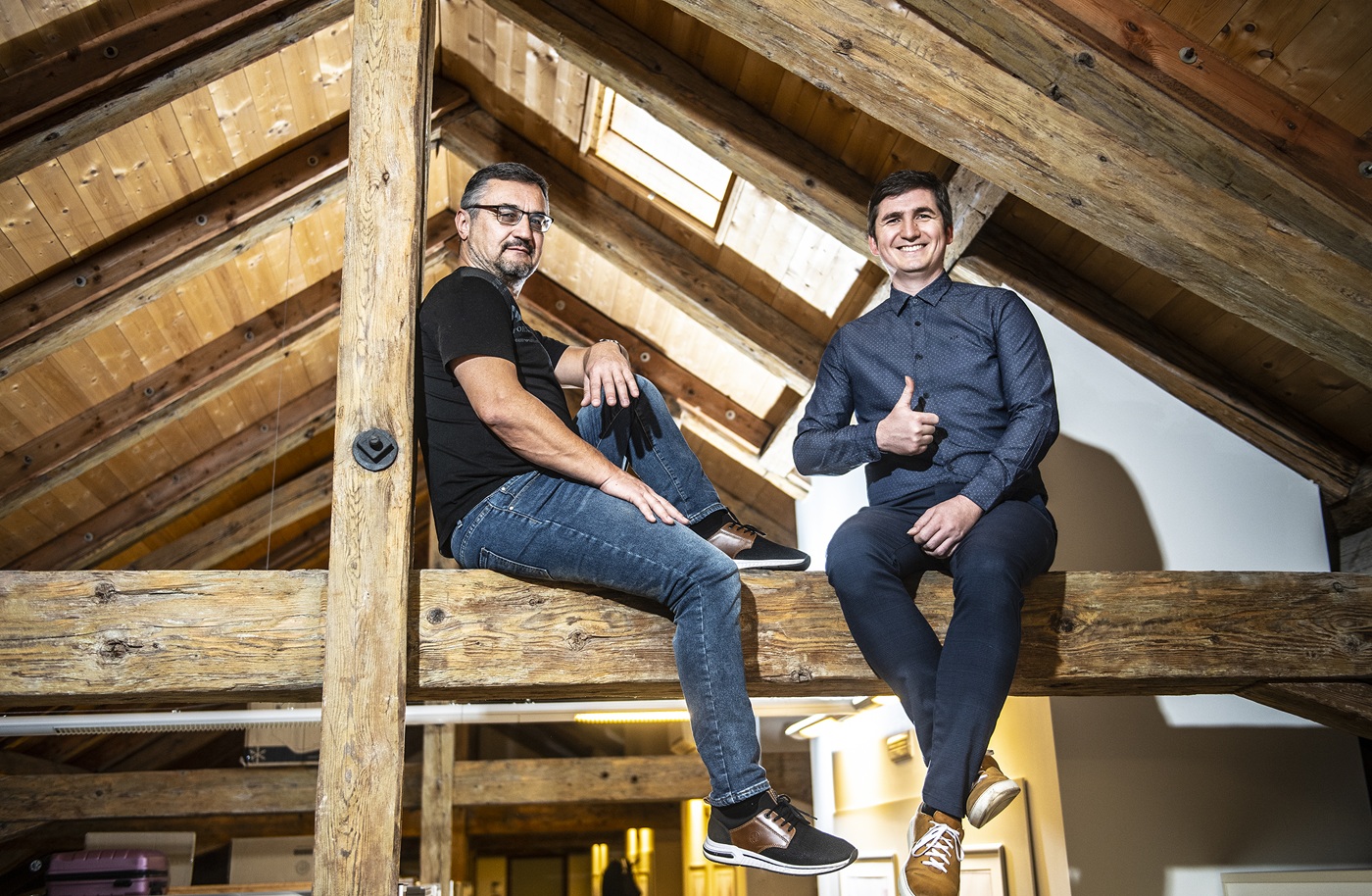
| Works at CU MATHPHYS’ Department of Software Engineering. He is responsible for the Programming and Software Development specialisation in the bachelor’s program and is the coordinator and lecturer for many of its core courses. In the Cloud Application Development seminar, he oversees cooperation with industry partners who participate in teaching. |
| Ing. Ondřej Václavek |
| Graduate of the Czech Technical University in Prague. He has worked as a software engineer and developer at HAVIT for seven years. An expert in cloud technologies, he holds numerous Microsoft certifications, including Microsoft Certified: Azure Solutions Architect Expert. Together with colleagues, he teaches the Cloud Application Development seminar at CU MATHPHYS. |